

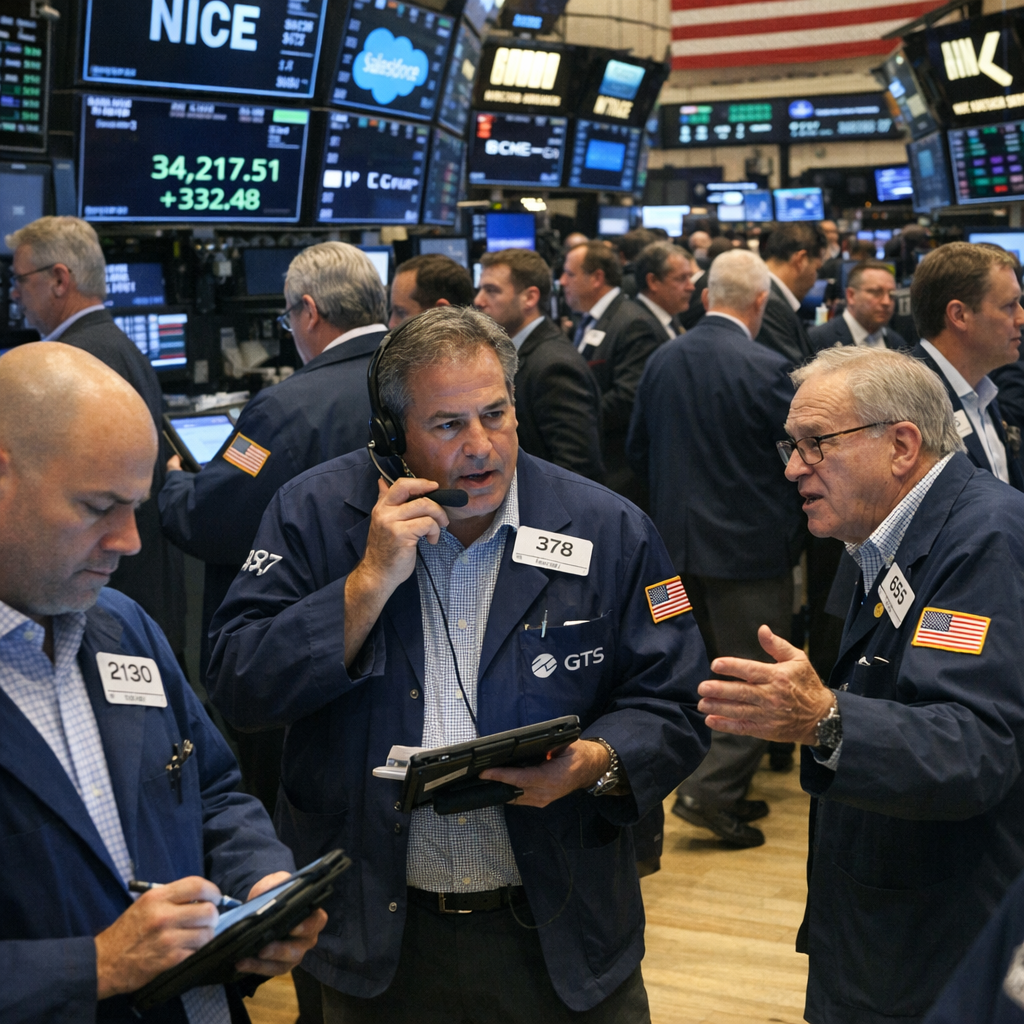
The U.S. economy is currently experiencing a period of moderate growth, with several factors contributing to its present state. While the economy has rebounded from previous downturns, recent data indicates that growth in the last two quarters has been lower than anticipated. This suggests a cautious optimism among economists and policymakers.
Employment Trends
The labor market continues to add jobs, reflecting resilience in various sectors. However, there is a growing concern over the rise in long-term unemployment. This trend underscores the need for targeted policies to support those who have been out of work for extended periods, ensuring they have access to opportunities in the evolving job market.
Inflation and Consumer Prices
Inflation rates have seen fluctuations, with recent figures indicating a rise to 3.8% in April, marking the highest level in nearly three years. This uptick is partly attributed to increased energy costs and other supply chain disruptions. Consumers are feeling the pinch, especially at the gas pump, where prices have surged due to geopolitical tensions affecting global oil supply chains.
Federal Reserve’s Stance
The Federal Reserve is closely monitoring these economic indicators to make informed decisions regarding interest rates. While inflation is a concern, the Fed aims to balance promoting economic growth with keeping inflation in check. Any adjustments to interest rates will be made with careful consideration of their potential impact on both the economy and consumers.
Trade Policies and Global Relations
Trade policies continue to play a significant role in shaping the economic landscape. Recent tariff implementations have led to retaliatory measures from trade partners, affecting various industries. The administration’s approach to trade has sparked debates on its long-term implications for economic stability and growth.
Looking Ahead
As the nation approaches the midterm elections, economic issues remain at the forefront of public discourse. Voters are particularly concerned about cost-of-living increases and job security. Policymakers are urged to address these concerns through comprehensive strategies that promote sustainable growth and equitable opportunities for all Americans.
In summary, while the U.S. economy shows signs of resilience, challenges such as rising inflation, trade tensions, and employment disparities require ongoing attention and proactive measures to ensure long-term prosperity.