

El Niño, a climate phenomenon characterized by the periodic warming of sea surface temperatures in the central and eastern Pacific Ocean, significantly influences global weather patterns. For residents of Bellevue and the broader Pacific Northwest, understanding El Niño’s effects is crucial, as it often brings warmer and drier conditions to the region.
El Niño and the Pacific Northwest
During El Niño events, the Pacific Northwest typically experiences:
- Warmer Temperatures: Elevated sea surface temperatures contribute to higher than average air temperatures.
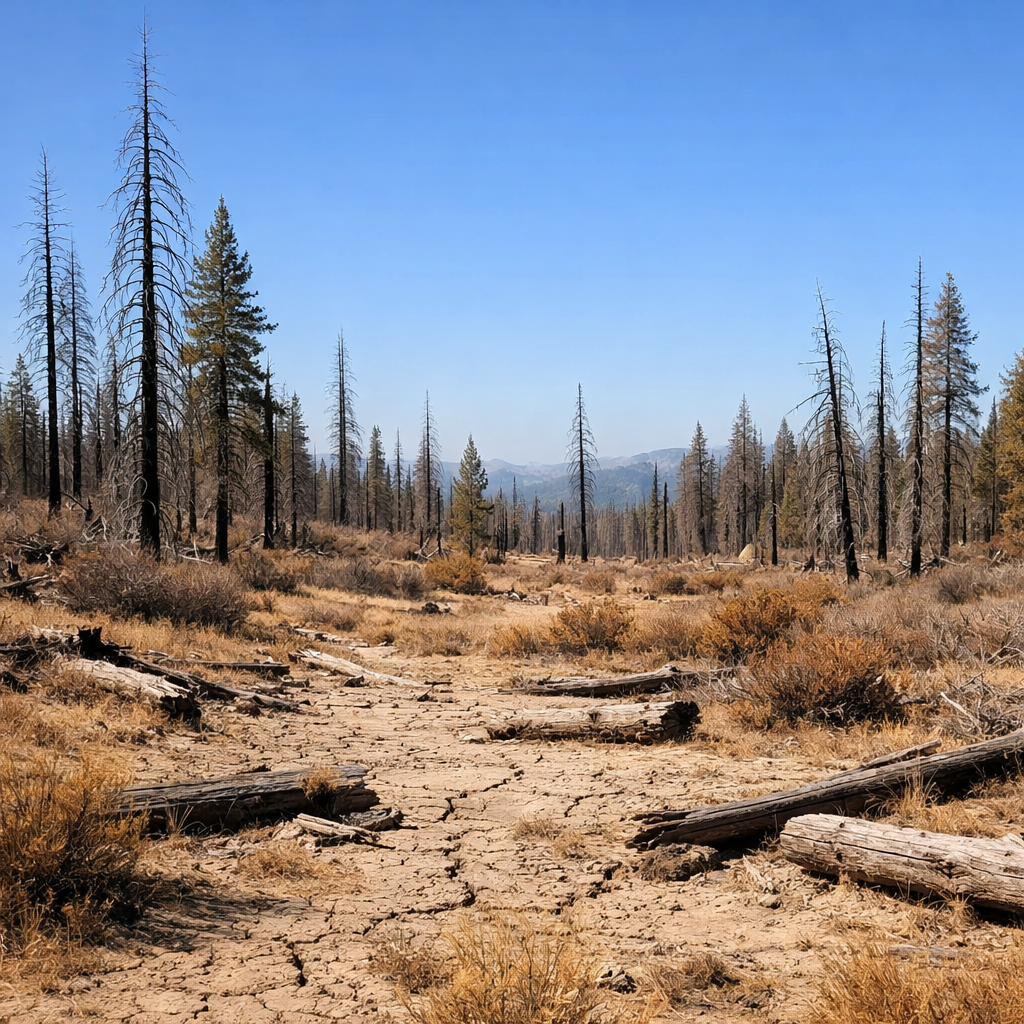
- Reduced Precipitation: A decrease in rainfall can lead to drier conditions, affecting water resources and agriculture.
These changes can have several implications:
- Increased Wildfire Risk: Drier conditions can lead to more frequent and severe wildfires.
- Water Resource Challenges: Reduced snowpack and earlier snowmelt can impact water availability for communities and ecosystems.
Preparing for El Niño
Given the potential impacts, it’s essential for communities to stay informed and prepared. Monitoring weather forecasts, adhering to water conservation practices, and supporting local wildfire prevention efforts are proactive steps residents can take.
Understanding El Niño’s influence helps us anticipate and mitigate its effects, ensuring the resilience of our communities in the face of changing climate patterns.