

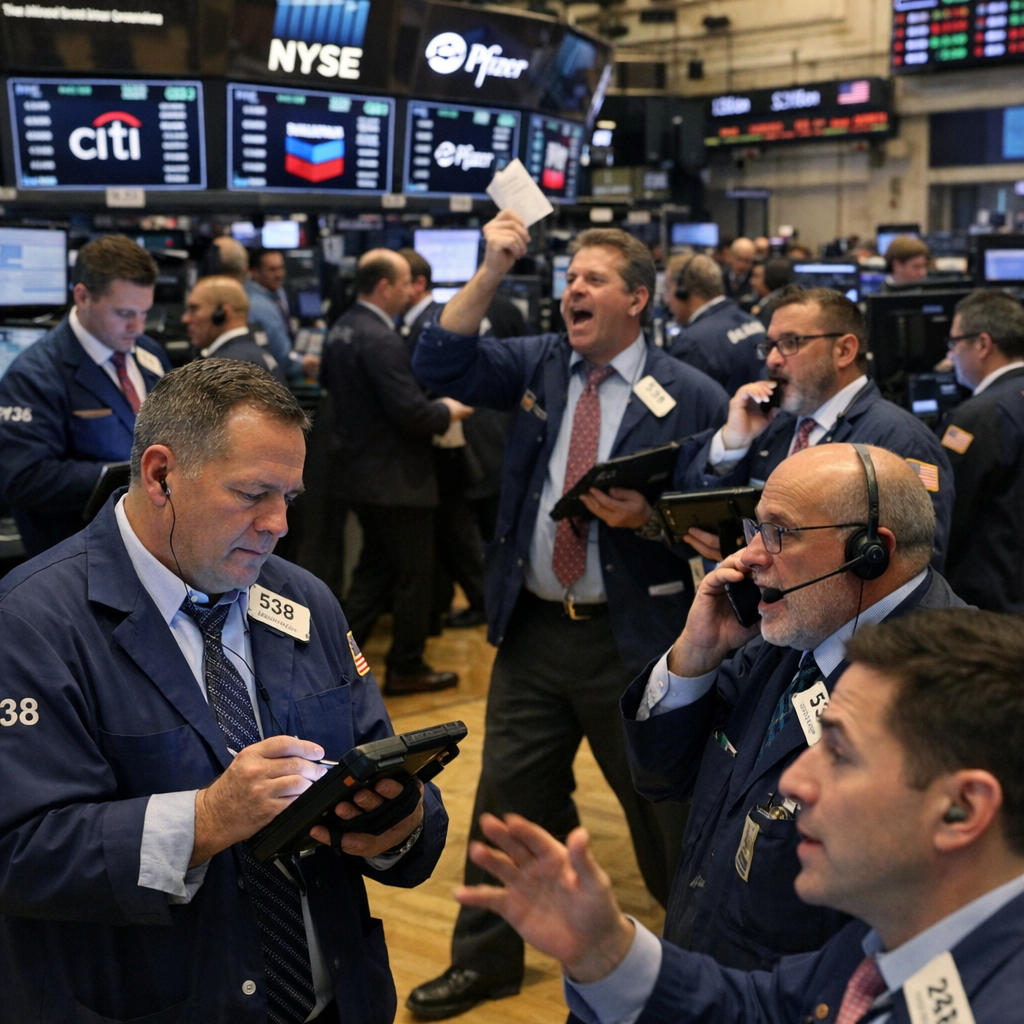
The U.S. economy continues to demonstrate resilience despite facing various challenges, including evolving trade policies and global economic shifts. Recent data indicates steady growth, with the labor market adding jobs and inflation rates stabilizing.
Trade Policies and Economic Impact
Since taking office, President Donald Trump has implemented tariffs affecting numerous U.S. trade partners. While some of these tariffs have been overturned in court, the administration’s latest proposals are set to take effect in July 2026. These measures have introduced uncertainties in financial markets and raised concerns about potential economic downturns. However, the global economy has shown robustness, with many countries experiencing significant growth and increased trade activities.
Labor Market Trends
The U.S. labor market has exhibited strength, with employers continuing to hire and the unemployment rate holding steady. However, long-term unemployment is on the rise, and certain sectors are experiencing labor shortages. For instance, urban areas in North Carolina are feeling the impact of reduced immigrant labor supply, which could affect local economies.
Global Economic Dynamics
Despite global challenges, the world economy is thriving. Developing countries like India, China, and Brazil have seen substantial growth and middle-class wealth creation. Trade between nations continues to flourish, even as the U.S. adopts more protectionist policies. This global economic vitality suggests a disconnect between prevailing pessimistic sentiments and actual economic performance.
Looking Ahead
As the U.S. navigates these complex economic landscapes, it remains crucial to monitor the interplay between domestic policies and global trends. Staying informed about these developments will help individuals and businesses make strategic decisions in an ever-evolving economic environment.