

As the nation approaches its 250th anniversary, several pivotal developments are influencing the U.S. political and economic spheres.
U.S.-Iran Agreement Impacts Markets
Recent confirmations of a U.S.-Iran agreement have led to notable market reactions. Spot gold prices rose by 1.94%, trading at $4,297 per ounce, while silver increased by 2.55% to $69.7 per ounce. Conversely, WTI crude oil prices fell by 5%, now at $80.58 per barrel. In the cryptocurrency sector, Bitcoin surpassed $65,000, marking a 1.03% increase over 24 hours, and Ethereum reached $1,718, up 2.09%.
Federal Reserve’s Economic Outlook
The Federal Reserve has projected a positive economic outlook for 2026, anticipating faster growth, lower inflation, and steady unemployment rates. This optimism suggests a potential pause in rate cuts, as policymakers expect the U.S. economy to stabilize following recent volatility.
Immigration Enforcement and Labor Market Effects
Enhanced immigration enforcement activities have been linked to disruptions in labor markets reliant on immigrant labor, notably in agriculture, construction, and hospitality sectors. These actions have raised humanitarian concerns and pose economic implications, such as reduced housing construction and agricultural output.
Stock Market Volatility
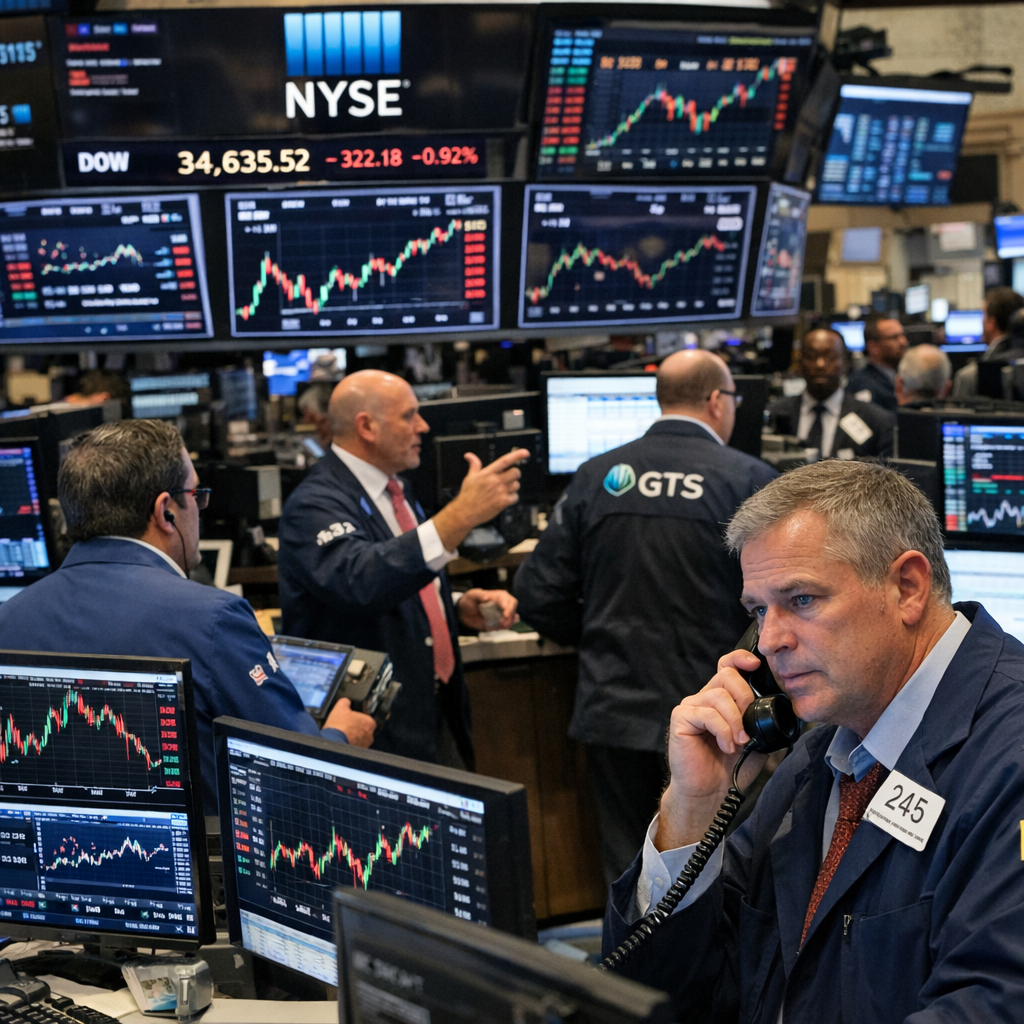
In 2025, the stock market experienced significant fluctuations due to policy uncertainties, including trade policies and tariff threats. The S&P 500 rose by 16.4% during the year, though this was a slower increase compared to the 23.3% gain in 2024. As of 2026, the market remains volatile, influenced by uncertain rate-cut expectations and geopolitical tensions.
GDP Growth Trends
The U.S. economy saw a contraction of 0.5% in GDP during the first quarter of 2025, driven by decreased consumer spending and increased imports. However, subsequent quarters witnessed a rebound, with Q2 and Q3 recording growth rates of 3.8% and 4.3%, respectively. The fourth quarter experienced a slowdown, with growth at 0.5%, highlighting the importance of steady economic expansion for job availability and wage increases.
These developments underscore the dynamic nature of the U.S. political and economic landscape, with ongoing implications for various sectors and the broader population.