

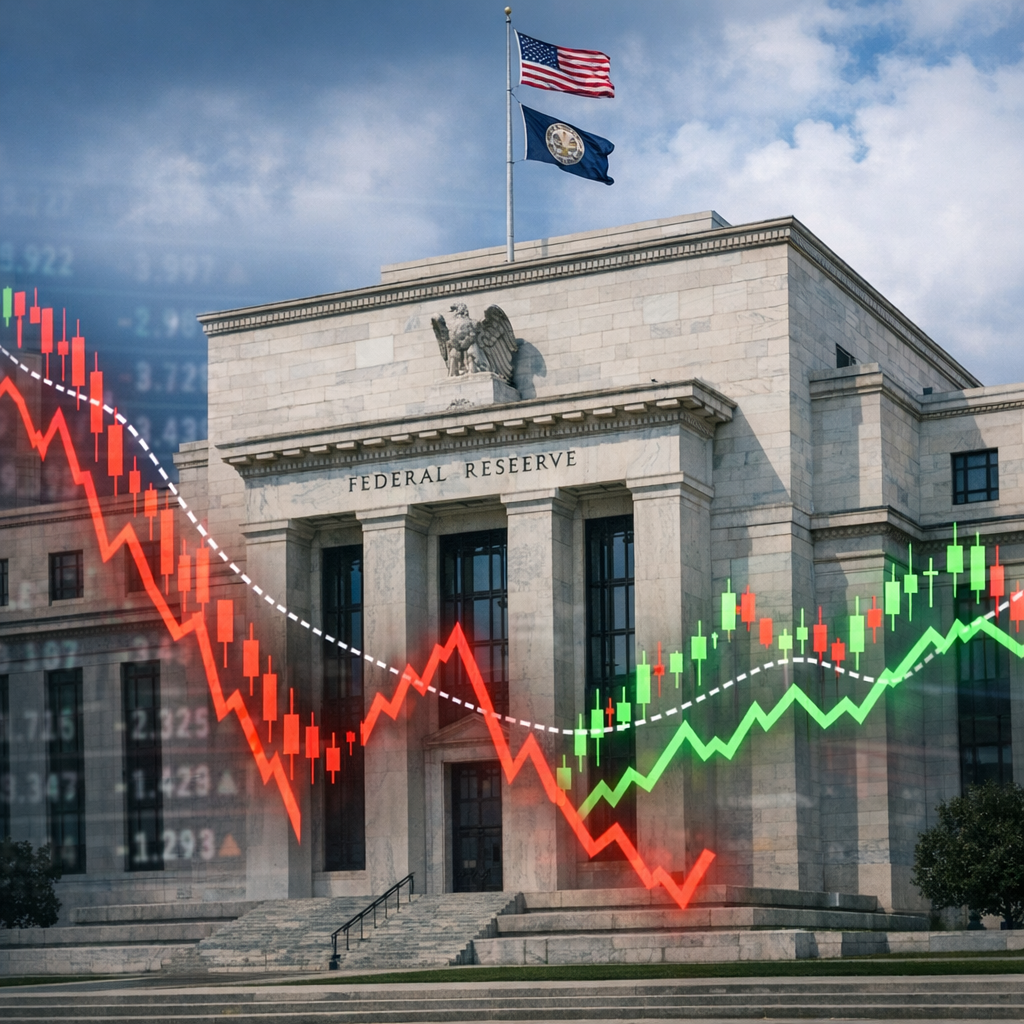
The U.S. economy is experiencing a period of significant change, marked by varying inflation rates, a dynamic housing market, and growing national debt. Understanding these factors is crucial for both policymakers and citizens.
Inflation and Federal Reserve Policies
Inflation remains a central concern. The International Monetary Fund (IMF) projects U.S. economic growth at 2.3% for this year, with inflation expected to align with the Federal Reserve’s 2% target by 2027. However, Federal Reserve officials are divided on future interest rate moves, reflecting uncertainty over inflation trends linked to ongoing geopolitical conflicts. Some predict increases, while others see potential for reductions.
Housing Market Dynamics
The housing market has seen notable shifts. In June, the median sales price of existing U.S. homes reached a record $440,600, even as sales activity slowed. This trend presents challenges for prospective homebuyers, as affordability becomes a growing issue.
National Debt Concerns
National debt is another pressing issue. BlackRock CEO Larry Fink has highlighted the risks associated with the U.S. national debt, which has surpassed $38 trillion. He warns that rising debt elevates interest costs, threatens confidence, and could trigger rapid shifts in borrowing costs. Fink emphasizes the need for sustained economic growth to improve the debt-to-GDP ratio.
Implications for Bellevue Residents
For residents of Bellevue, Washington, these national economic trends have local implications. Rising home prices may affect housing affordability in our community. Additionally, potential changes in interest rates could influence mortgage rates and personal savings. Staying informed about these developments is essential for making sound financial decisions.
As the economic landscape continues to evolve, it’s important to monitor these trends and consider their impact on both the national and local levels.