

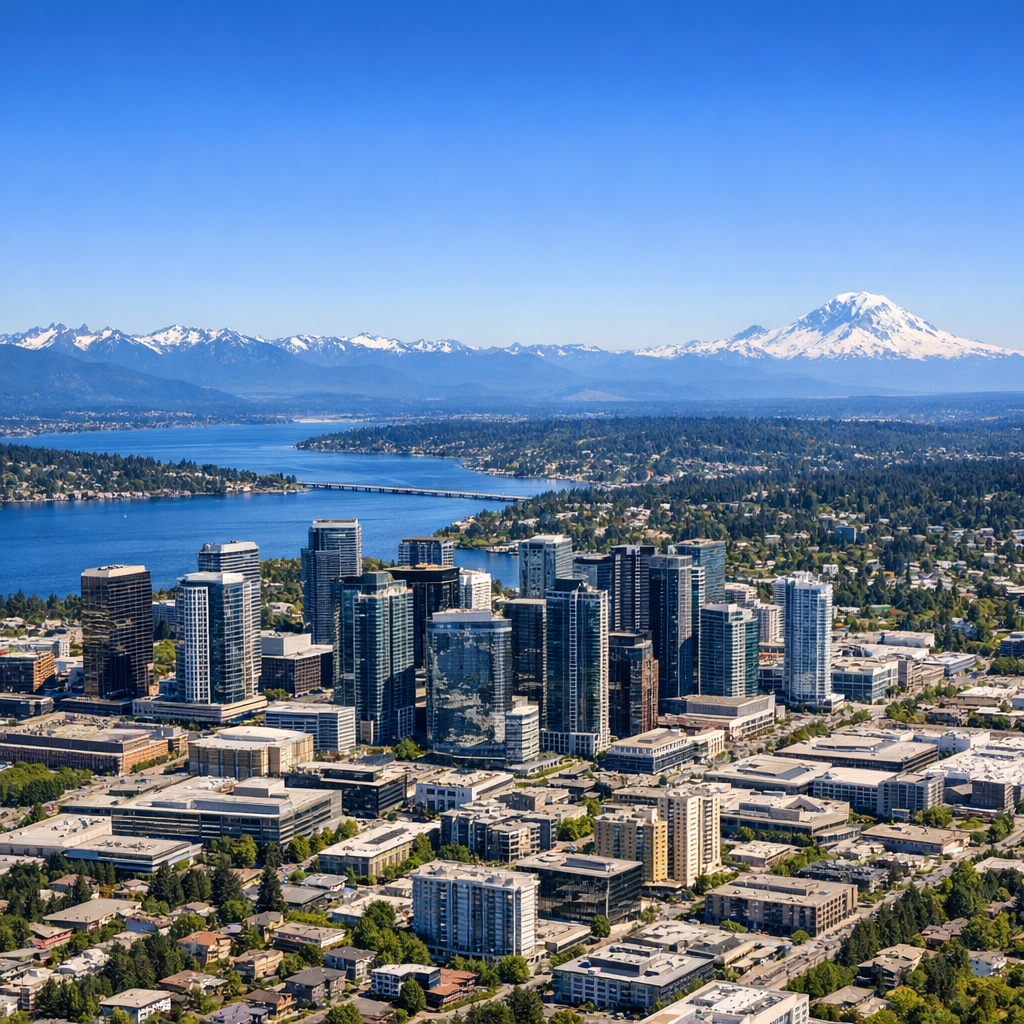
Climate change is a global phenomenon with local consequences, and Bellevue, Washington, is no exception. Understanding how these global shifts impact our community is essential for developing effective adaptation and mitigation strategies.
Rising Temperatures
Over the past century, the Pacific Northwest has experienced a significant increase in average annual temperatures. This warming trend has led to more frequent and intense heatwaves, affecting both urban and natural environments. In Bellevue, residents have noticed hotter summers, which can strain energy resources and pose health risks, particularly to vulnerable populations.
Changing Precipitation Patterns
Climate projections indicate that our region will see wetter winters and drier summers. This shift can lead to challenges such as increased winter flooding and summer droughts. For Bellevue, this means preparing for potential water shortages during the dry months and managing the risk of urban flooding during the wetter seasons.
Declining Snowpack
The Cascade Range, a vital source of freshwater for the Pacific Northwest, has experienced a reduction in snowpack due to warmer winters. This decline affects water availability for Bellevue and surrounding areas, as snowmelt contributes significantly to our water supply. Reduced snowpack also impacts recreational activities like skiing and snowboarding, which are popular among residents.
Increased Wildfire Risk
Warmer temperatures and drier conditions have heightened the risk of wildfires in the Pacific Northwest. While Bellevue is not directly in a high-risk wildfire zone, the city can still be affected by smoke and air quality issues resulting from fires in nearby regions. Additionally, the economic and ecological impacts of wildfires can have ripple effects throughout the state.
Sea-Level Rise
Although Bellevue is inland, the broader Puget Sound region faces challenges from rising sea levels. Coastal areas may experience increased flooding and erosion, which can impact transportation, infrastructure, and local economies. These changes can indirectly affect Bellevue through economic ties and regional infrastructure dependencies.
Community Response
Recognizing these challenges, Bellevue has been proactive in addressing climate change. The city has implemented initiatives aimed at reducing greenhouse gas emissions, promoting sustainable development, and enhancing resilience to climate impacts. Community engagement and education are also key components of Bellevue’s strategy to ensure that residents are informed and prepared.
Understanding the local implications of global climate change is crucial for Bellevue’s continued growth and sustainability. By staying informed and involved, residents can contribute to a resilient and adaptive community.