

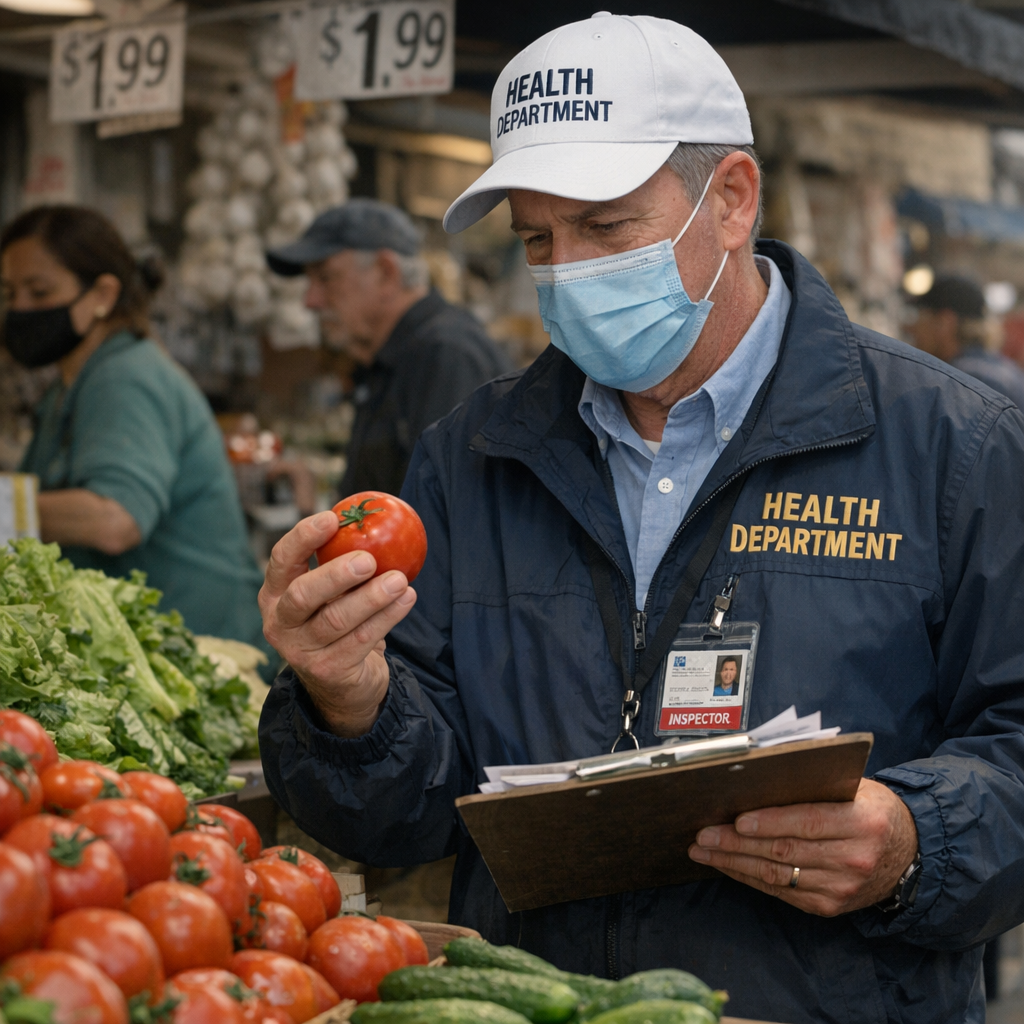
Health officials across the United States are currently investigating a significant increase in cases of cyclosporiasis, a gastrointestinal illness caused by the parasite Cyclospora cayetanensis. This surge has raised concerns about food safety and public health.
What is Cyclosporiasis?
Cyclosporiasis is an intestinal infection resulting from consuming food or water contaminated with the Cyclospora parasite. Symptoms typically include severe diarrhea, stomach cramps, bloating, nausea, and fatigue. If untreated, the illness can last from a few days to over a month, with potential for relapse.
Current Outbreak Status
As of recent reports, over 4,000 cases have been identified across 41 states. The Centers for Disease Control and Prevention (CDC) is collaborating with state health departments to trace the source of the outbreak and implement control measures.
Potential Sources and FDA Investigation
The Food and Drug Administration (FDA) initially identified a sample of lettuce from Taylor Farms as a potential source. However, further testing revealed the initial result was a false positive, and the cause of the outbreak remains undetermined. The FDA continues to investigate other possible sources to prevent further cases.
Preventive Measures
To reduce the risk of cyclosporiasis, the CDC recommends the following:
- Thoroughly wash all fresh fruits and vegetables under running water before consumption.
- Store produce at appropriate temperatures to prevent spoilage.
- Practice good hygiene, including regular handwashing with soap and water, especially before handling food.
Local Impact and Response
While Bellevue, Washington, has not reported a significant number of cases, local health authorities are monitoring the situation closely. Residents are encouraged to stay informed through official channels and adhere to recommended food safety practices.
Conclusion
The recent cyclosporiasis outbreak underscores the importance of food safety and public health vigilance. By staying informed and following preventive measures, individuals can help reduce the risk of infection and contribute to the overall well-being of the community.