

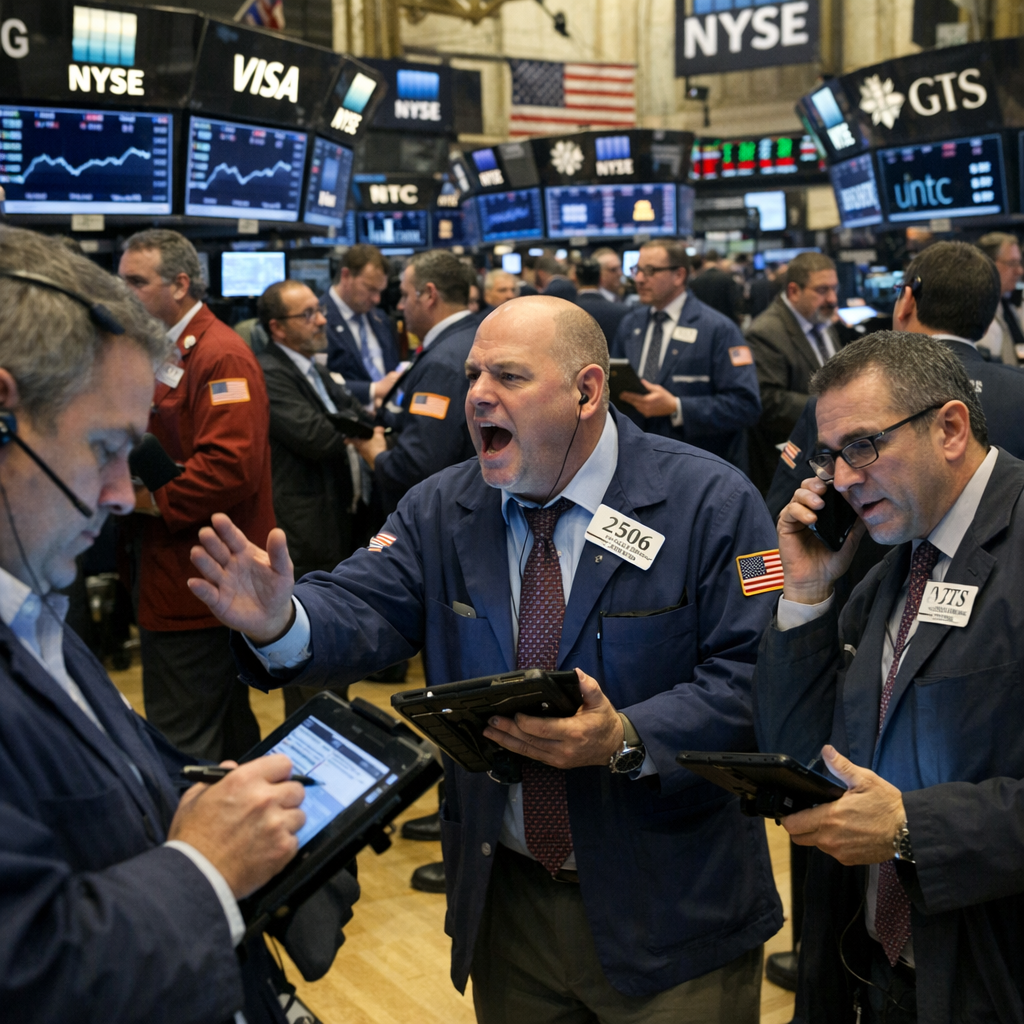
The U.S. economy is currently experiencing a complex interplay of factors influencing its trajectory. Recent data indicates a notable surge in hiring, with 172,000 jobs added in May, showcasing resilience despite ongoing international tensions. This uptick suggests a robust labor market, even as global events pose challenges.
Inflation remains a pressing concern, with consumer prices rising sharply in March, reaching a 3.3% year-on-year increase. This surge is largely attributed to escalating energy costs following geopolitical conflicts, notably the war in Iran. Such inflationary pressures have prompted the Federal Reserve to maintain interest rates, signaling potential hikes later this year to curb rising prices.
Trade policies are also under scrutiny. The administration’s recent imposition of a 50% tariff on Canadian goods, citing disputes over autos and alcohol, has raised questions about the future of North American trade relations. These measures aim to address trade imbalances but may have broader economic implications.
On the political front, public sentiment reflects significant anxiety about the nation’s political system. A Gallup poll reveals that approximately one-third of Americans view politics and government as the country’s most pressing issues, highlighting concerns over political stability and governance.
In summary, the U.S. economy demonstrates resilience through job growth and market stability. However, challenges such as inflation, trade disputes, and political uncertainties necessitate careful navigation to sustain economic health and public confidence.