

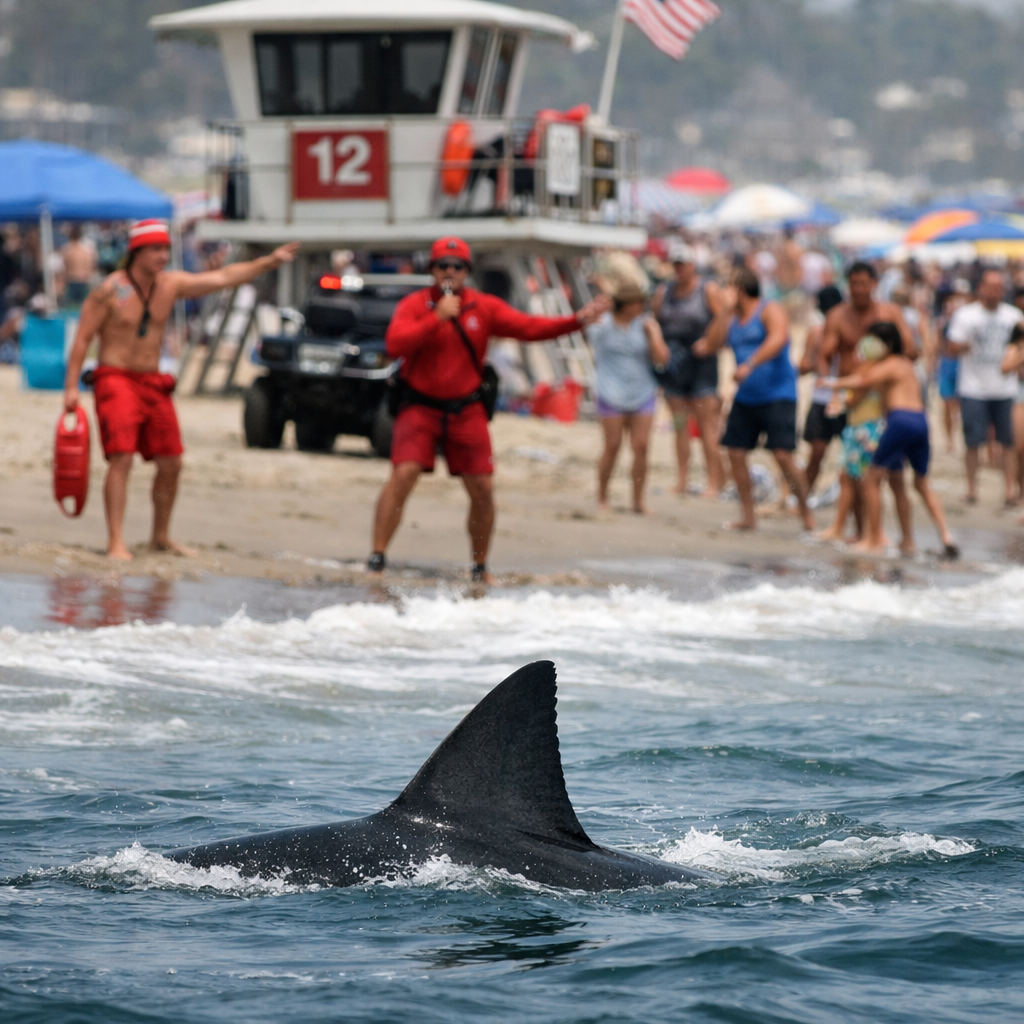
In recent months, coastal communities across the United States have reported a noticeable uptick in shark sightings. This trend has sparked discussions among residents and experts alike, aiming to understand the underlying causes and implications.
Environmental Factors at Play
Marine biologists suggest that shifts in ocean temperatures and currents may be influencing shark migration patterns. Warmer waters can attract sharks to areas they previously frequented less, leading to increased human-shark interactions.
Conservation Efforts Yielding Results
Decades of conservation initiatives aimed at protecting shark populations are showing positive outcomes. As certain shark species rebound, their presence near coastal regions becomes more common, reflecting the success of these efforts.
Implications for Coastal Communities
For communities like Bellevue, Washington, and other coastal areas, understanding these patterns is crucial. While the Pacific Northwest has not seen a significant rise in shark sightings, staying informed about national trends helps in preparing and educating the public about potential risks and safety measures.
Staying Safe and Informed
Authorities recommend that beachgoers adhere to local guidelines, avoid swimming during dawn and dusk when sharks are most active, and stay in designated swimming areas. Public education campaigns are also being enhanced to ensure safety and coexistence with marine life.
As we continue to monitor these developments, it’s essential to balance our enjoyment of coastal activities with respect for the evolving dynamics of marine ecosystems.