

As the U.S. economy continues to evolve, several key indicators provide insight into its current state and potential future direction.
GDP Growth and Inflation
In the second quarter of this year, the U.S. economy expanded at a rate of 1.5%, a deceleration from the 2.1% growth observed in the first quarter. This slowdown is attributed to rising imports and other economic factors. Concurrently, the Federal Reserve’s preferred measure of inflation grew by 3.7%, remaining above the central bank’s 2% target. In response, the Federal Reserve has maintained its benchmark interest rate unchanged for the fifth consecutive meeting, though some regional presidents advocate for rate increases to combat persistent inflation.
Employment Trends
The labor market demonstrates resilience, with unemployment claims dropping to 187,000 last week, the lowest since 1969. This suggests a robust job market despite other economic challenges.
Impact of Tariffs and Global Tensions
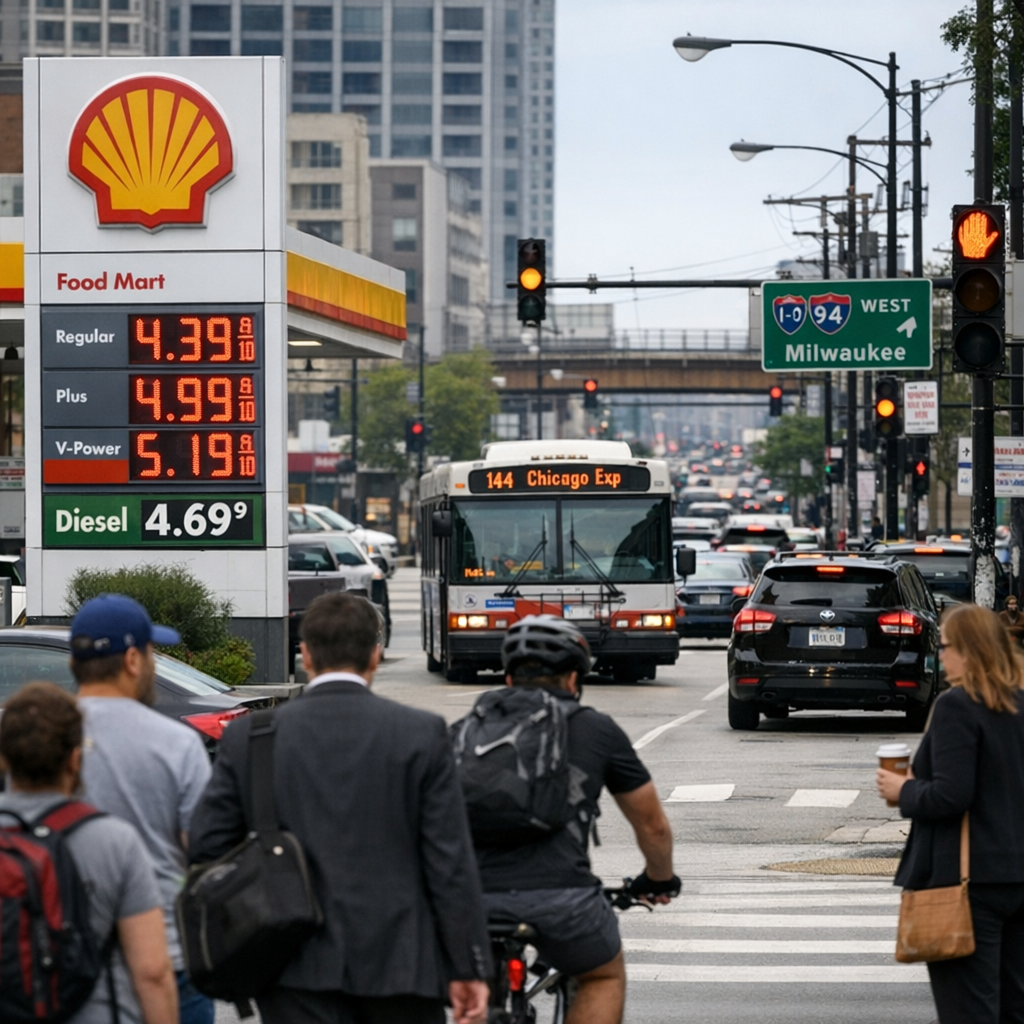
Recent policy decisions have introduced new tariffs of 10–12.5% on imports from 60 countries, targeting nations failing to curb goods produced via forced labor. Additionally, escalating tensions between the U.S. and Iran have led to increased gasoline prices, with national averages climbing above $4.11 per gallon. These developments contribute to rising costs for consumers and businesses alike.
Local Implications
For residents of Bellevue, Washington, these national economic trends have tangible effects. Higher gasoline prices impact commuting costs, while potential inflationary pressures may influence local goods and services. The strong labor market offers opportunities, yet the broader economic uncertainties warrant careful financial planning.
Staying informed about these developments is crucial for making sound personal and business decisions in an ever-changing economic environment.