

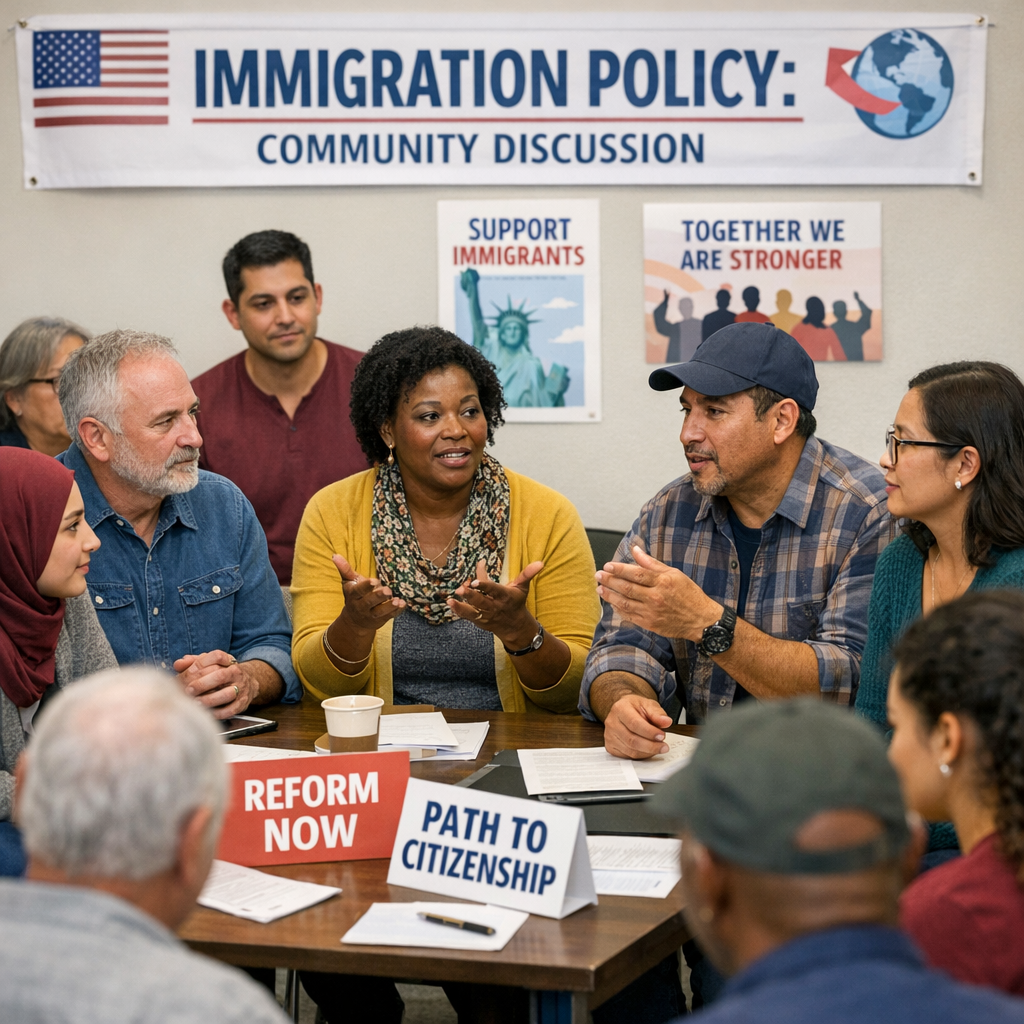
Immigration policy in the United States has long been a dynamic and often contentious issue, reflecting the nation’s values, economic needs, and security concerns. Recent developments have brought this topic to the forefront, prompting discussions on how policy changes impact communities across the country.
Recent Policy Changes
In recent years, the U.S. government has implemented several significant changes to immigration policy. These include adjustments to asylum procedures, modifications in visa allocations, and shifts in enforcement priorities. Such changes aim to address national security concerns, economic factors, and humanitarian obligations.
Impacts on Local Communities
Communities nationwide, including those in Bellevue, Washington, are experiencing the effects of these policy shifts. Local economies, educational institutions, and social services are adapting to the evolving demographics and needs of immigrant populations. For instance, changes in visa policies can influence the availability of skilled workers in technology hubs like Bellevue, affecting both businesses and the broader community.
Legal and Social Considerations
Legal challenges often accompany changes in immigration policy, as advocacy groups and affected individuals seek to address perceived injustices or constitutional concerns. Socially, these policies can influence public sentiment and community cohesion, highlighting the importance of informed and compassionate discourse.
Looking Ahead
As the landscape of U.S. immigration policy continues to evolve, staying informed is crucial for communities to navigate the associated challenges and opportunities. Engaging in open dialogue and supporting inclusive practices can help foster resilient and vibrant communities.