

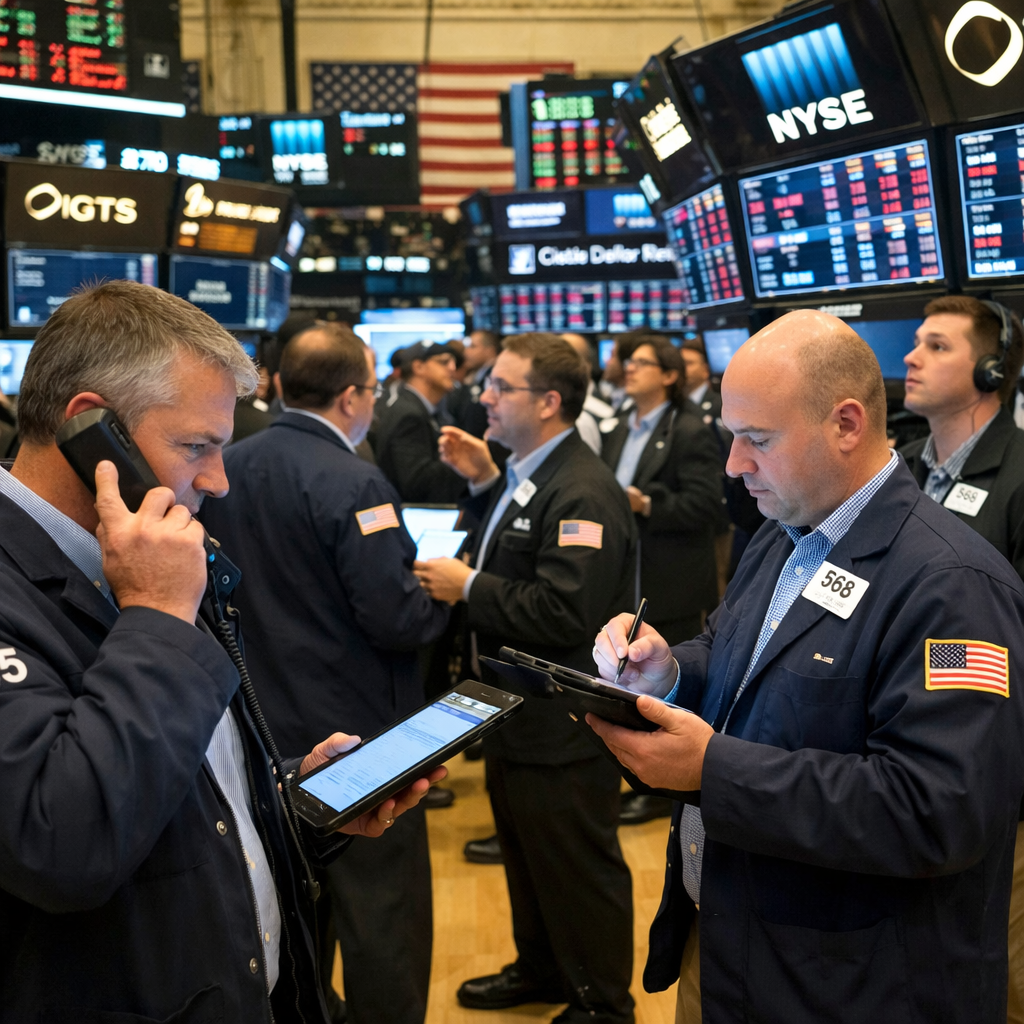
The U.S. economy is experiencing a period of notable change, marked by various indicators that reflect both resilience and emerging challenges. Understanding these trends is crucial for businesses and consumers alike.
Labor Market Dynamics
Recent data indicates a slowdown in job growth. In April, the economy added 73,000 jobs, a significant decrease from the previous month’s figures. This trend suggests that while the labor market remains robust, it may be approaching a plateau.
Inflationary Pressures
Inflation has been on an upward trajectory, with the personal consumption expenditures price index rising to 2.6% over the year ending in June. This increase is partly attributed to higher prices for imported goods, influenced by recent tariff implementations.
Trade Policies and Economic Impact
The introduction of new tariffs has introduced uncertainty into the economic landscape. While intended to protect domestic industries, these measures have led to increased costs for consumers and businesses, potentially dampening economic growth.
National Debt Concerns
Financial leaders have expressed concern over the rising national debt. BlackRock CEO Larry Fink highlighted that the total U.S. debt reached $38.4 trillion as of January 2026, emphasizing the need for fiscal discipline to maintain economic stability.
Looking Ahead
As the economy navigates these complexities, stakeholders must stay informed and adaptable. Monitoring labor market trends, inflation rates, trade policies, and national debt levels will be essential in making informed decisions in the evolving economic environment.