

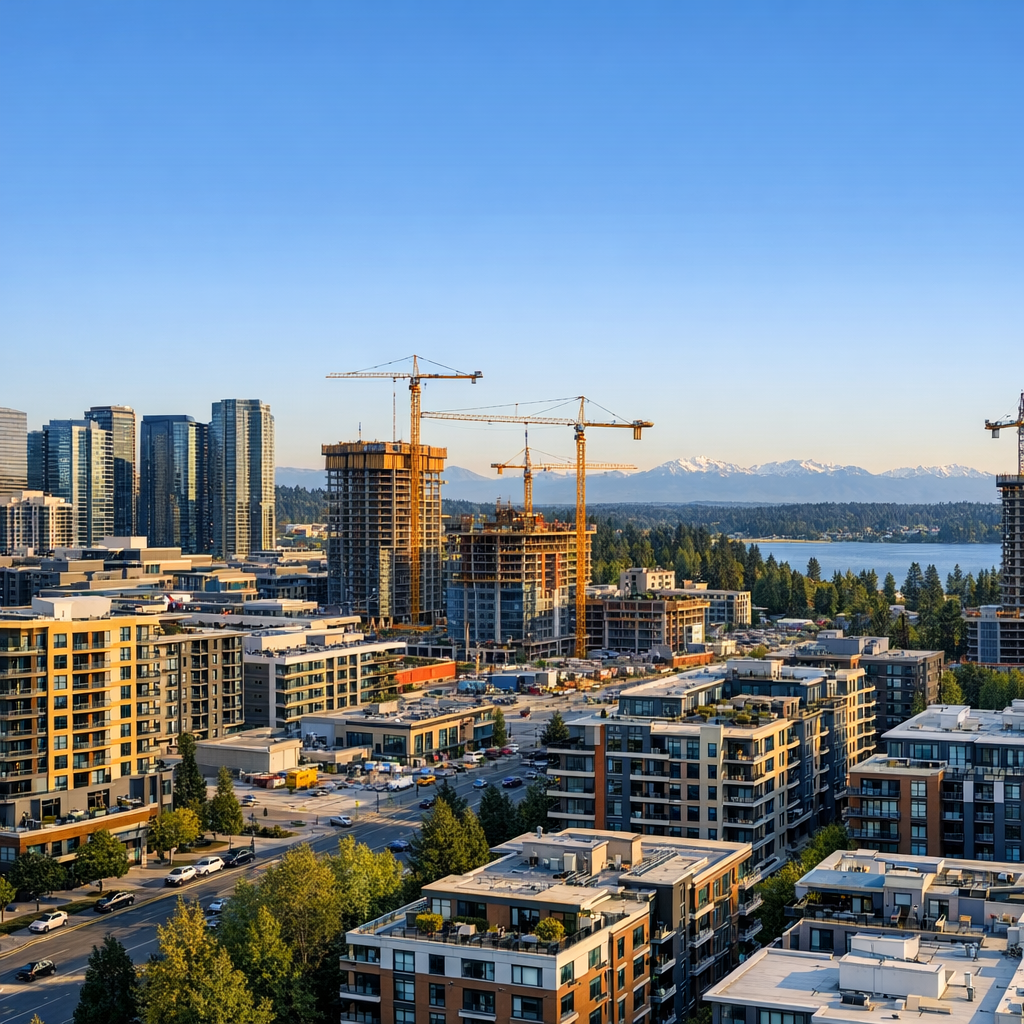
Bellevue, Washington, has long been recognized for its dynamic real estate market, characterized by high demand and premium property values. Recent data indicates a nuanced shift in this landscape, offering both challenges and opportunities for prospective buyers, sellers, and renters.
Current Market Trends
As of mid-2026, Bellevue’s housing market exhibits a blend of resilience and adjustment. The average home value stands at approximately $1.47 million, reflecting a 3.9% decrease over the past year. Homes typically go pending in around 17 days, suggesting sustained buyer interest despite the slight dip in values.
In the broader Seattle metropolitan area, which includes Bellevue, home prices have experienced a more pronounced decline. In March 2026, single-family home prices fell by 2.5% year-over-year, marking the largest drop among major U.S. metros. This trend is accompanied by an increase in inventory, providing buyers with more options and potentially more negotiating power.
Rental Market Dynamics
The rental sector in Bellevue remains robust. The average rent is approximately $2,796 per month, slightly above the national average of $1,965. This represents a modest year-over-year increase of 0.7%, indicating a stable rental market.
Local Developments and Infrastructure
Bellevue’s growth is further supported by significant infrastructure projects. The East Link light rail line, a 6.5-mile extension connecting Bellevue and Redmond, is set to enhance regional connectivity. This development is expected to bolster property values and attract new residents seeking efficient transit options.
Additionally, the city’s transformation into a vibrant urban center is evident in its expanding tech employment cluster, luxury retail offerings, and a burgeoning cultural scene. These factors contribute to Bellevue’s appeal as a desirable place to live and invest.
Conclusion
Bellevue’s real estate market is navigating a period of adjustment, with slight declines in home values and a stable rental environment. Ongoing infrastructure projects and the city’s evolving urban landscape continue to make it an attractive destination for residents and investors alike. Staying informed about these trends is crucial for making strategic decisions in this dynamic market.