

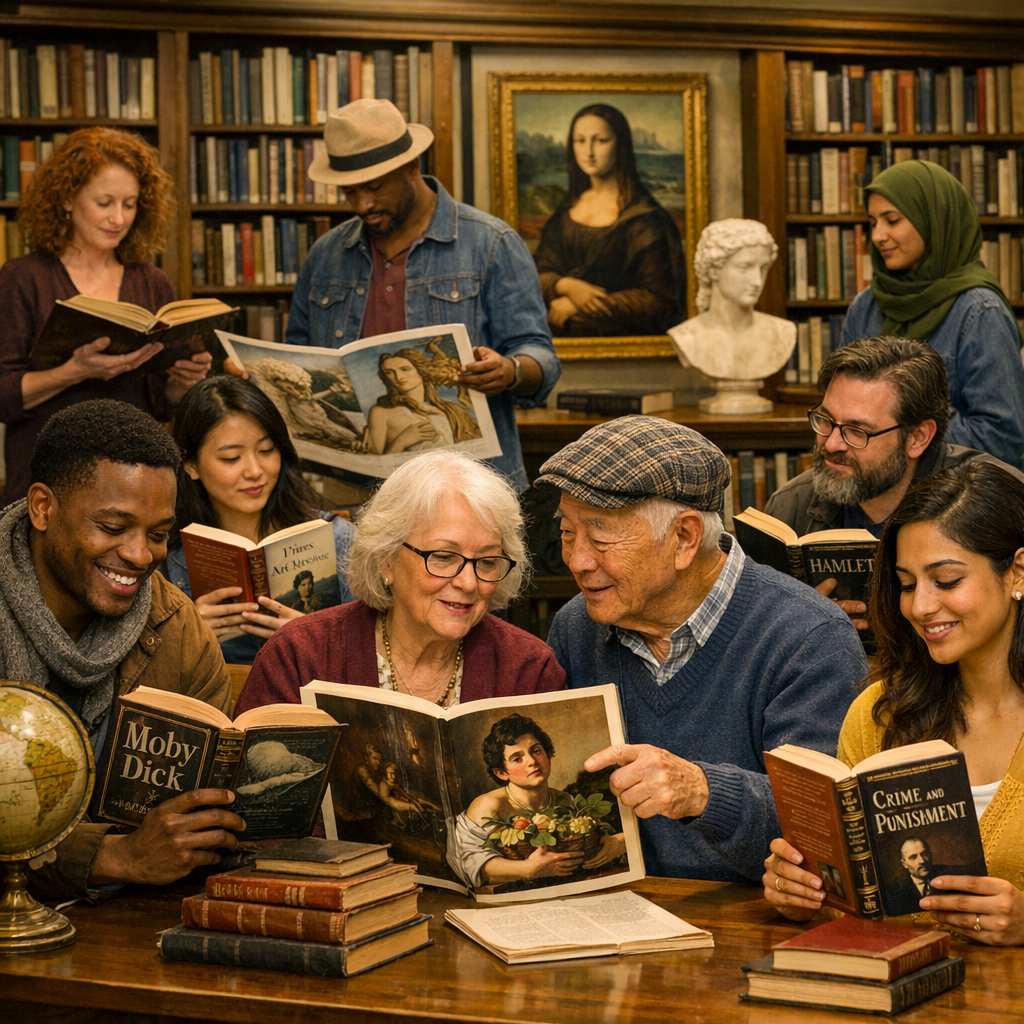
Each year, a new collection of creative works enters the public domain in the United States, allowing the public to freely access and use them. This annual event, known as Public Domain Day, occurs on January 1st and marks the expiration of copyright protections for works published 95 years prior. For instance, on January 1, 2026, works published in 1930 became part of the public domain.
What Is the Public Domain?
The public domain comprises creative works that are not protected by intellectual property laws, such as copyright, trademark, or patent laws. This status allows anyone to use, modify, and distribute these works without seeking permission or paying royalties. Works can enter the public domain for various reasons, including the expiration of copyright, failure to renew copyright, or the creator’s decision to forfeit rights.
Significance of Public Domain Day
Public Domain Day is significant because it enriches cultural heritage and fosters creativity. When works enter the public domain, they become accessible resources for artists, educators, and the general public. This accessibility encourages the creation of new works, adaptations, and educational materials, contributing to cultural and educational development.
Examples of Works Entering the Public Domain
While specific works entering the public domain vary each year, they often include literature, music, films, and art from 95 years prior. For example, in 2026, works published in 1930 entered the public domain. This includes notable literary works, musical compositions, and films from that era, now freely available for public use and adaptation.
Impact on Creativity and Innovation
The expansion of the public domain has a profound impact on creativity and innovation. Artists and creators can draw inspiration from these works without legal constraints, leading to new interpretations and creations. Additionally, educators can incorporate these materials into curricula, enhancing learning experiences without the burden of licensing fees.
Conclusion
Understanding the public domain and its annual expansion is crucial for appreciating the continuous growth of our shared cultural resources. Public Domain Day serves as a reminder of the balance between protecting creators’ rights and promoting public access to creative works, ultimately benefiting society as a whole.