

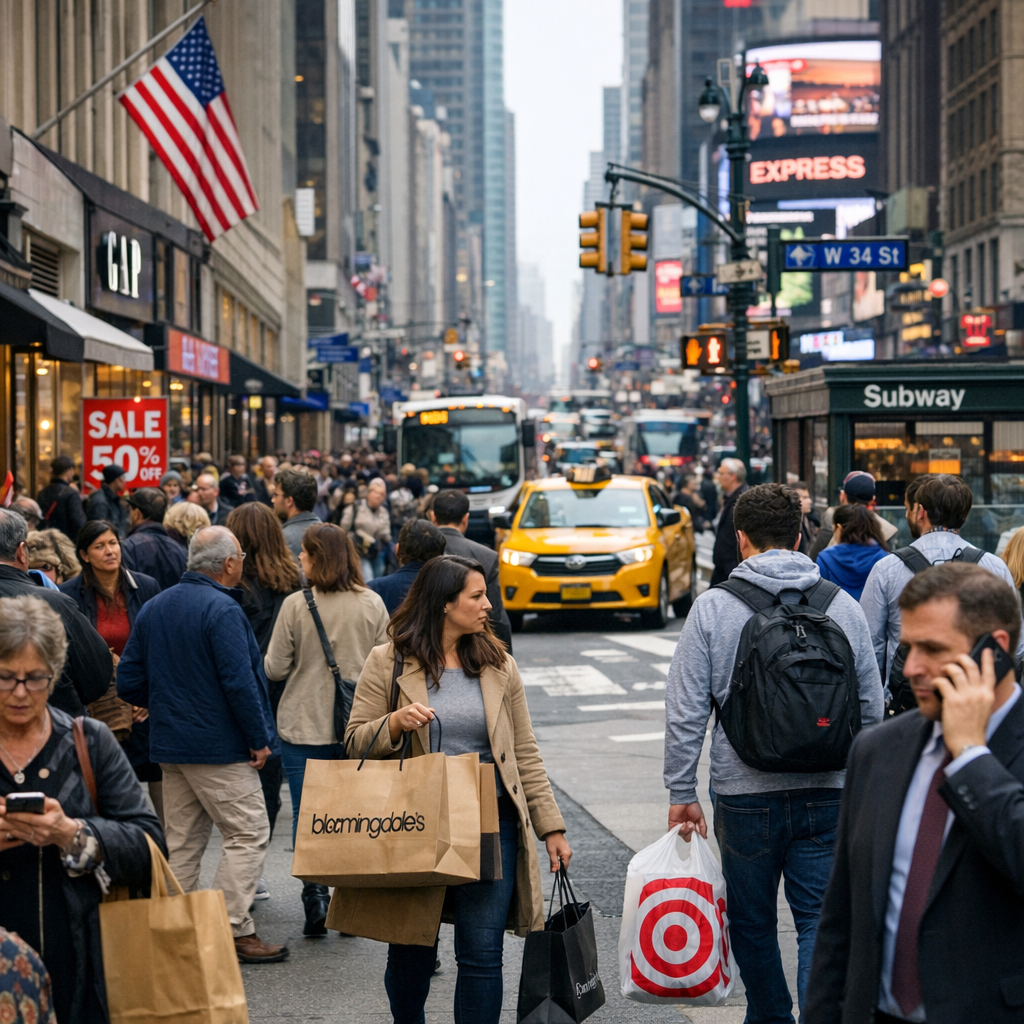
The U.S. economy has experienced significant fluctuations in recent years, marked by periods of growth and challenges. Understanding these dynamics is crucial for both policymakers and the public.
Economic Growth and Employment
Following the COVID-19 pandemic, the U.S. economy rebounded with a 5.7% growth in 2021, the highest since the 1980s. This recovery was accompanied by a decline in unemployment rates, reaching 4% by January 2025. Such figures indicate a resilient labor market and a strong economic foundation.
Inflation Trends
Despite economic growth, inflation has been a persistent concern. The Consumer Price Index saw a 9.1% increase in June 2022 compared to the previous year, marking a 41-year high. By April 2023, inflation had moderated to 4.9%, still above the Federal Reserve’s 2% target. By September 2025, inflation further decreased to 2.9%, alleviating some concerns about rising consumer prices.
Public Perception and Political Implications
Public sentiment often reflects economic realities. In May 2024, only 23% of U.S. adults rated the economy as excellent or good, a slight decrease from earlier in the year. Inflation remains a top concern, with 62% considering it a very big problem. Such perceptions can influence political landscapes, as seen in the 2024 presidential election, where economic issues played a pivotal role.
Conclusion
While the U.S. economy has demonstrated resilience and growth, challenges like inflation and public dissatisfaction persist. Continuous monitoring and adaptive policies are essential to address these issues and ensure sustained economic well-being.