

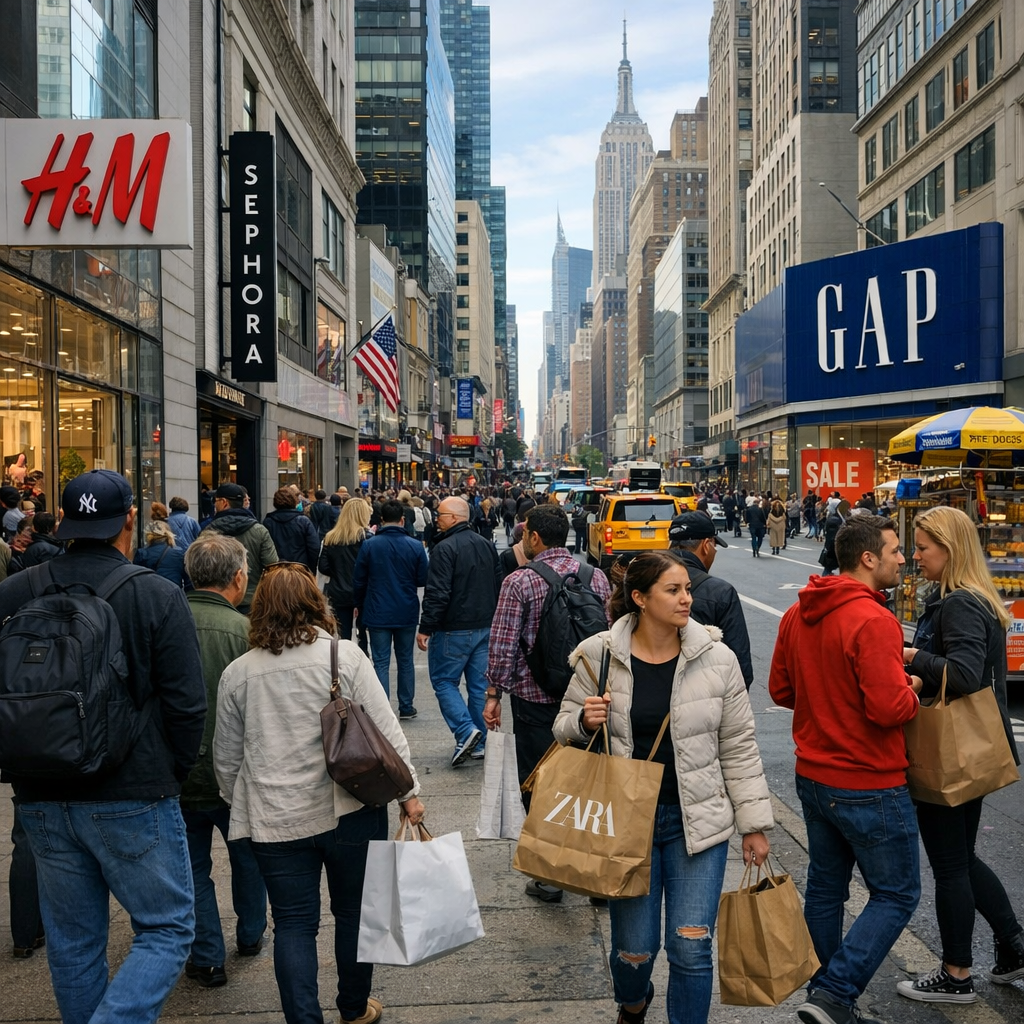
The U.S. economy has been experiencing a series of notable shifts, with inflation rates showing a slight decline. In July, the Consumer Price Index (CPI) indicated a year-over-year increase of 3.4%, a marginal decrease from June’s 3.5%. This reduction is attributed to falling gas and grocery prices. However, prices for items such as computers, airfares, and used cars have risen, partly due to increased demand driven by advancements in artificial intelligence (AI) and elevated oil prices.
On the growth front, the economy has demonstrated resilience. After a contraction of 0.5% in the first quarter of 2025, the GDP rebounded with a 3.8% annualized growth in the second quarter and further accelerated to 4.3% in the third quarter, marking the fastest rate in two years. This growth is supported by robust consumer spending and significant investments in AI infrastructure.
Despite these positive indicators, challenges persist. The Federal Reserve continues to deliberate on potential interest rate adjustments, as inflation remains above the target 2% threshold. Additionally, the implementation of protective tariffs has introduced complexities in trade dynamics, influencing both domestic and international markets.
For residents of Bellevue, Washington, these national economic trends have local implications. The tech-driven economy of the region may benefit from increased AI investments, potentially leading to job creation and economic growth. However, residents should remain vigilant about inflationary pressures that could affect the cost of living.
Staying informed about these developments is crucial for making sound financial decisions. As the economic landscape evolves, understanding the interplay between national policies and local impacts will empower individuals and businesses to navigate the future effectively.