

By Michael Carter
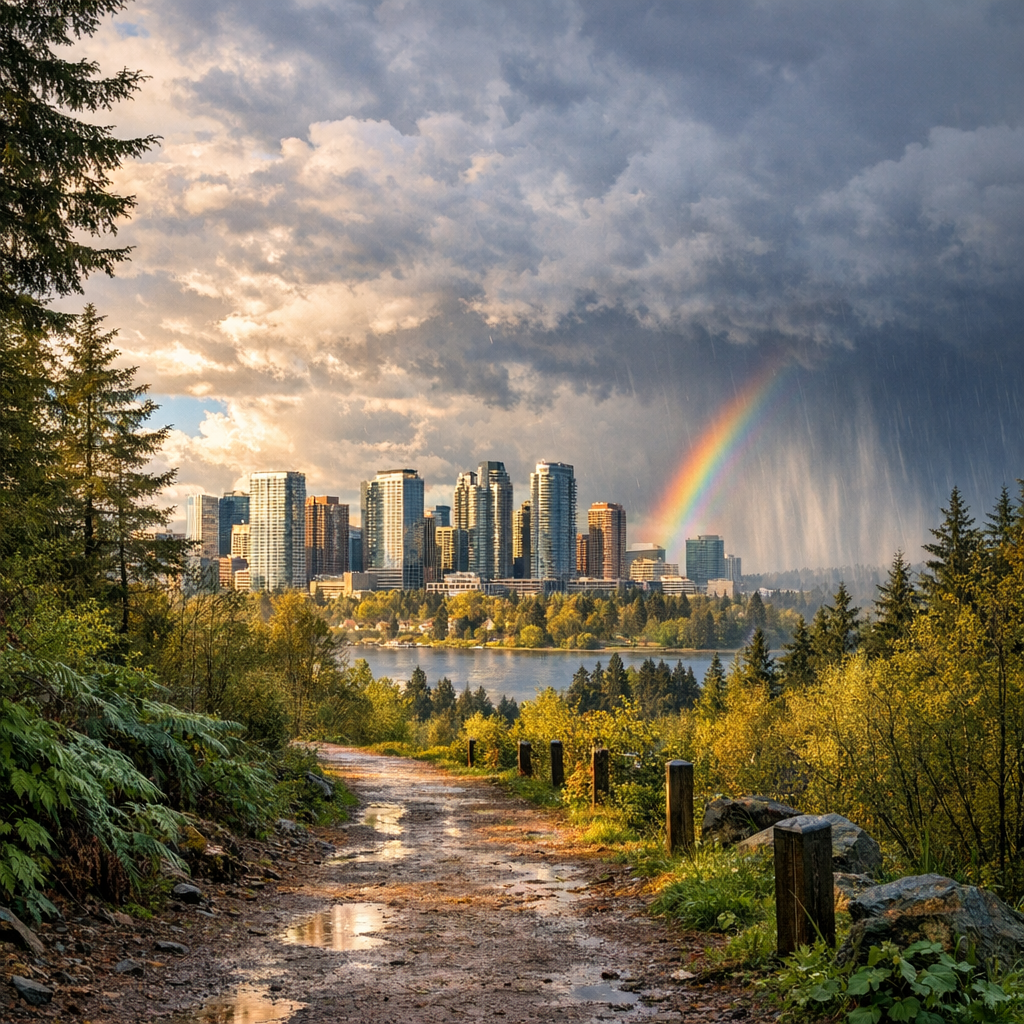
Bellevue’s weather and environment are defined by soft transitions—showers turning to sunshine, muted winters, warm summers—and yet beneath these rhythms, shifts linked to climate change are becoming more evident. From increased risk during dry spells to heat stress in beloved green spaces, understanding what lies ahead can help our community adapt and thrive.
Seasonal Patterns: What Our Climate Looks Like
Bellevue has a mild marine climate. Winters are cool and mostly wet, summers warm and dry. December typically brings the coldest lows—around 36-38°F—while August heats up to average highs near the upper 70s°F. Rainfall peaks in November and drops sharply through summer, with July and August seeing the driest stretches. Skies clear most often in August, while December tends to be the cloudiest month. These long-standing averages help us plan gardens, outdoor activities, and even travel, but they’re shifting.
Emerging Climate Changes Bellevue Faces
Recent studies show Bellevue is preparing for a warming future. As winters moderate, some native trees and plant species that depend on cold spells for reproduction may struggle. Warmer temperatures and more extreme heat events are also expected, placing stress on urban forests, wildlife, and neighborhoods without strong tree cover.
Precipitation patterns are changing too. Expect heavier, more intense storms during the wet season, and noticeable dry spells during summer. These shifts contribute to increased runoff after heavy rains and potential erosion or water quality stress in our streams and lakes.
Air quality has also become a concern. Bellevue’s goals around emissions reduction—such as halving community greenhouse gases by 2030 and reaching net zero by 2050—reflect both a response to climate-driven stressors and a proactive strategy to limit impacts like smoke exposure from wildfires, which increasingly reach the region.
Protecting Our Natural Systems
Bellevue’s landscapes—its lakes, creeks, forests, wetlands—are not only beautiful; they sustain species like salmon, amphibians, and many native plants. But warmer winters, shifting streamflows, and drier soils raise risks to their health. Native species that rely on cold winter cues may lose synchronization with emerging food sources. Wetlands and streams face pressure from flashier runoff, erosion, and potential declines in water quality.
What Bellevue Can Do—and How Residents Can Help
The City’s 2026-2030 Sustainable Bellevue Plan lays out five priority areas: energy and buildings; mobility and land use; climate change; materials and waste; and natural systems. Key goals include reducing community-wide greenhouse gas emissions 50% by 2030, preserving and expanding our tree canopy, and protecting sensitive habitats.
If you’re a resident, here are steps you can take now:
- Favor native, drought-tolerant plants in your landscaping. They require less water and support local wildlife.
- Invest in energy-efficient upgrades in your home—insulation, better windows, efficient heating and cooling—to ease monthly bills and reduce emissions.
- Use clean transportation: walk, bike, carpool, or use transit more. Choosing electric vehicles or participating in green energy programs helps too.
- Monitor local weather and air quality alerts, especially during wildfire season. Keep indoor air clean and limit exposure during unhealthy air days.
- Support and volunteer with local restoration efforts—stream cleanups, tree-planting, and protecting riparian buffers are powerful work.
Our climate is changing, but Bellevue’s strong sense of community means we can face challenges together. By staying informed and making small, intentional choices, we can help ensure our city stays vibrant, green, and resilient for the future.