

By Ava Washington
In a year marked by mounting global strain, the international community is confronting several interconnected crises—climate shocks, conflict, economic stress—that together threaten to reverse progress on development and deepen social injustice. Below are key global developments Bellevue residents—whose diverse networks stretch around the world—may already feel distant but whose effects ripple close to home.
Climate Pressure Mounts: El Niño, Extreme Weather, and Rising Risk
A new El Niño event began in mid-2026, potentially among the strongest on record. Scientists warn it may intensify droughts, heatwaves, heavy rains, and ocean warming across many regions. These climate shocks are already contributing to rising disaster risk, mounting economic losses, and worsening food insecurity. Efforts to limit global warming to 1.5 °C remain insufficient, with projections pointing toward 2.3-2.5 °C under current policy commitments.
Humanitarian Crises Deepen in Conflict Zones
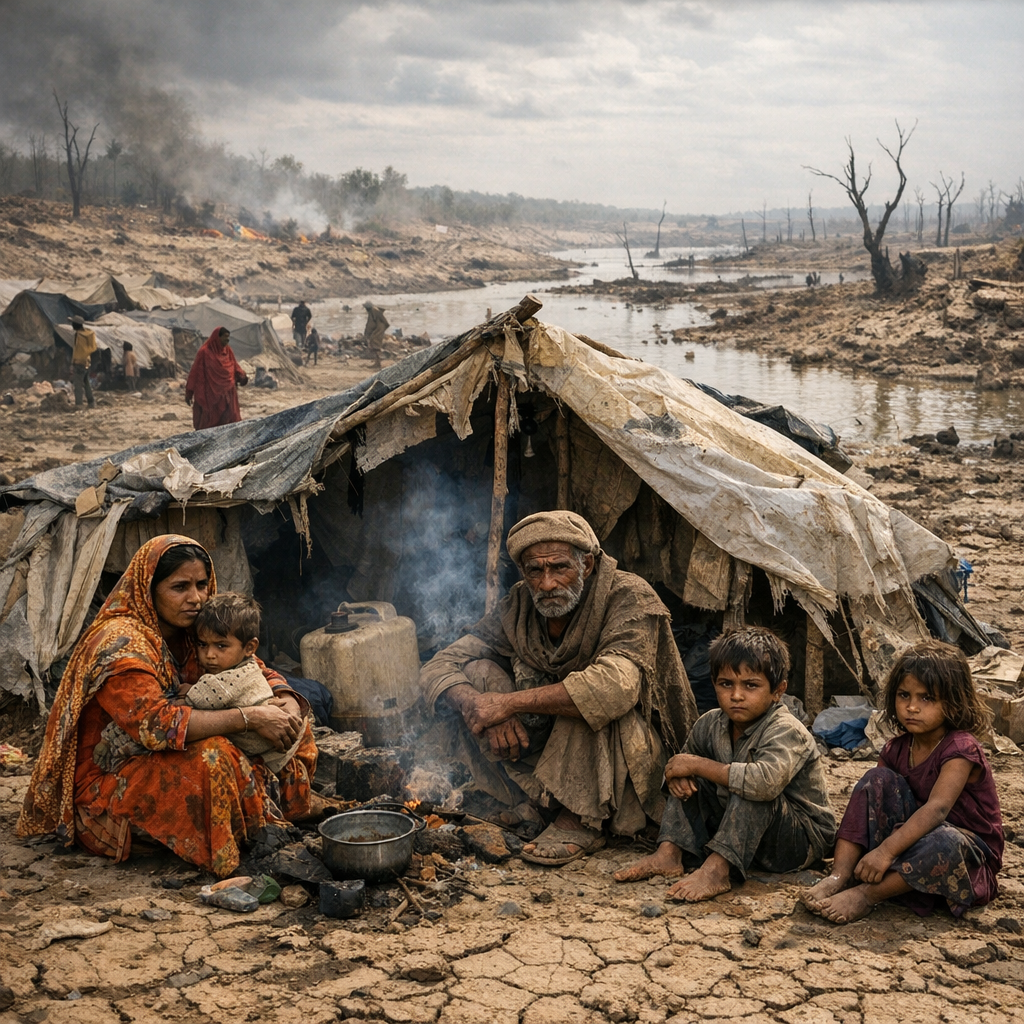
Multiple humanitarian emergencies are escalating: in Sudan, three years of war have left over 34 million people in urgent need of aid, and more than half lack sufficient access to basic health services. Civilians are increasingly vulnerable amid disease outbreaks, malnutrition, attacks on health facilities, and broken supply lines.
In the Sahel region—covering countries like Mali, Niger, and Burkina Faso—conflict, climate shocks, and hunger are converging into one of the world’s most severe crises. Millions face displacement and food shortages even as funding and international attention shrink.
In East Africa, particularly in Somalia, persistent drought, conflict, and economic hardship are driving widespread displacement and hunger. The U.N. World Food Programme warns aid now covers only a fraction of what is needed to avert catastrophic outcomes.
Economic Strains, Fragmentation, and the Inequality of Recovery
Global economic growth remains fragile and uneven. Developed economies may sustain modest gains, but finance, trade, and technology shocks weigh heavily on lower-income countries. Geopolitical tensions—especially in shipping, energy routes, and trade partnerships—are fueling increasing “fragmentation” of the global system, disrupting supply chains and imposing rising costs.
Meanwhile, the gap between wealthy and poor nations continues to widen. Many vulnerable countries struggle with debt burdens, climate risks, and lack of access to critical infrastructure or diversified economies. Promises to reform global financial governance and scale up support for developing countries are still falling short.
Why This Matters Locally
Bellevue is part of a global tapestry. Our city is enriched by international trade, global companies, and immigrant communities who connect us to distant crises and supply chains. Disruptions abroad—from food shortages to economic shockwaves—can ripple into higher prices, tighter markets, and stresses in resource flows. Humanitarian crises affect migration patterns, public awareness, and philanthropic engagement even here in Washington State.
Addressing these global challenges requires more than short-term fixes. Solutions demand coordinated climate action, investment in resilient infrastructure, fair trade and financial systems, and strong international cooperation – values that Bellevue’s diverse civic life and global outlook are well-positioned to support.