

By Evelyn Parker
Current Market Snapshot
The Bellevue residential housing market has shown signs of balance lately. As of July 2026, the median home price is around $1.85 million—up about 5.7% from the previous month, though largely unchanged year-over-year. A roughly 4 to 5 months’ supply of listings suggests neither a strong buyer’s nor seller’s market at the moment. Homes are selling relatively quickly, with many spending about two to three weeks on the market.
Rental Trends & What Renters Are Seeing
Rents in Bellevue are holding firm but showing mild softening compared to the recent past. The average rent across all property types is about $2,778 per month—a slight dip from a year ago. For specific unit types: studios rent for roughly $2,050; one-bedroom units are around $2,540; two-bedrooms average $3,210; and three-bedrooms reach about $4,320. These shifts reflect greater supply in some segments and more negotiating flexibility for renters.
What Buyers & Sellers Should Know
For those looking to buy, the current market offers pockets of opportunity. With more homes available than there were a year ago in many neighborhoods—but still at premium price points—negotiation leverage is better in some segments. Important: sales price-to-list price ratios remain close to asking, meaning well-priced and well-conditioned homes still attract strong competition.
On the flip side, sellers should expect patience from some buyers, especially when pricing high-end or luxury homes. Shifts in demand—especially following changes in mortgage rates—mean that overpricing can lead to listings staying longer.
Development & Affordable Housing Efforts
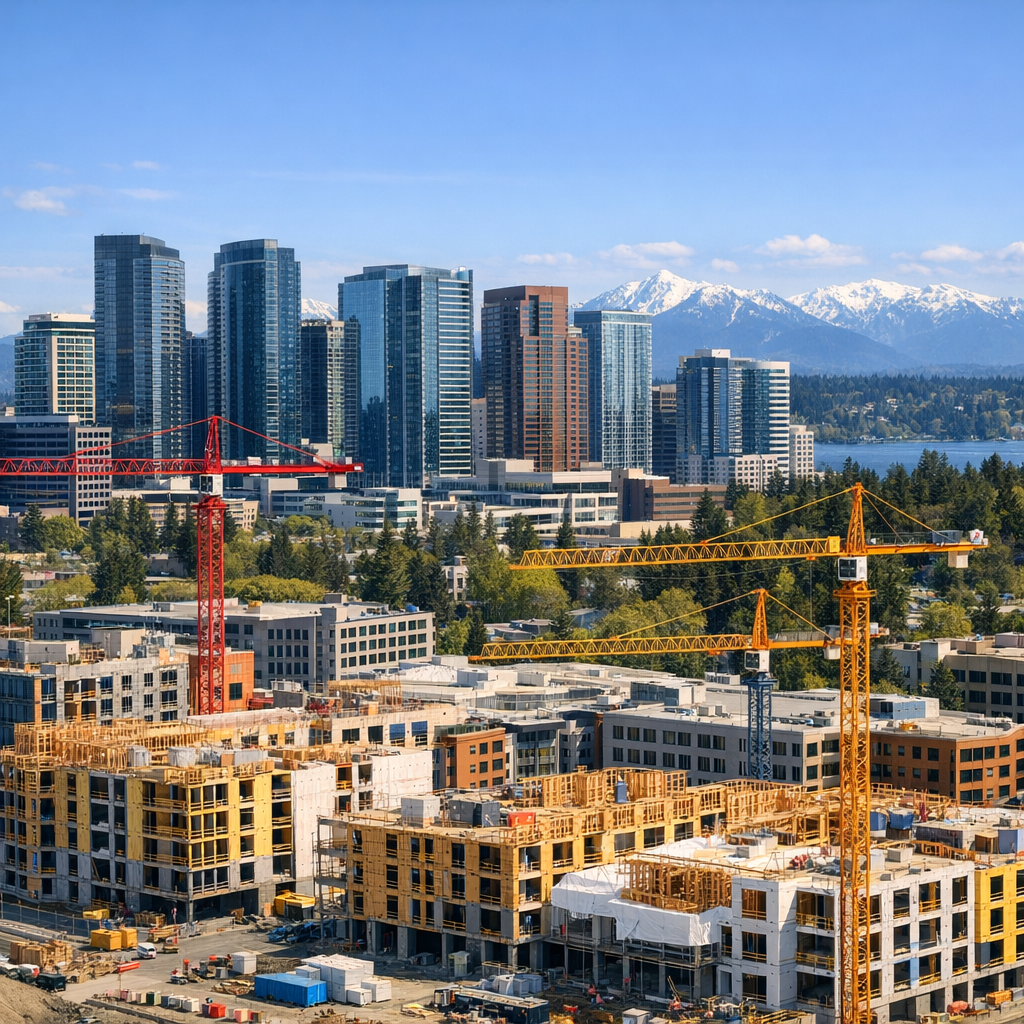
The city is taking active steps to address housing affordability. A recent stretch of approvals allocates over $37 million toward affordable housing projects. These are expected to add around 271 new affordable rental units in Bellevue, plus additional units elsewhere on the Eastside. There are also efforts in progress to preserve or expand affordable homeownership.
Major citywide efforts include new zoning initiatives to allow more affordable housing development on faith-owned properties, and a mixed-use project plan adjacent to the 130th/BelRed light rail station. These reflect Bellevue’s Affordable Housing Strategy and its goal of creating or maintaining thousands of affordable units over the coming decade.
Looking Ahead: Key Indicators to Watch
- Interest rates & mortgage relief – Changes here can rapidly shift buyer behavior.
- Inventory trends – If active listings continue to rise, the market may lean more toward buyers.
- Rent-to-sale price ratios – How much more cost-effective renting becomes versus buying in different neighborhoods.
- Progress on affordable housing – Both in new construction and policy/land use changes.
- Neighborhood differences – Some areas—Downtown, West Bellevue, Lake Hills, etc.—are moving differently in price, speed, and availability.
For locals considering their next move—whether buying, selling, or renting—Bellevue’s market is moderately stable, with affordability challenges still front and center. Tracking these indicators and getting neighborhood-level data will make the difference when timing decisions.