

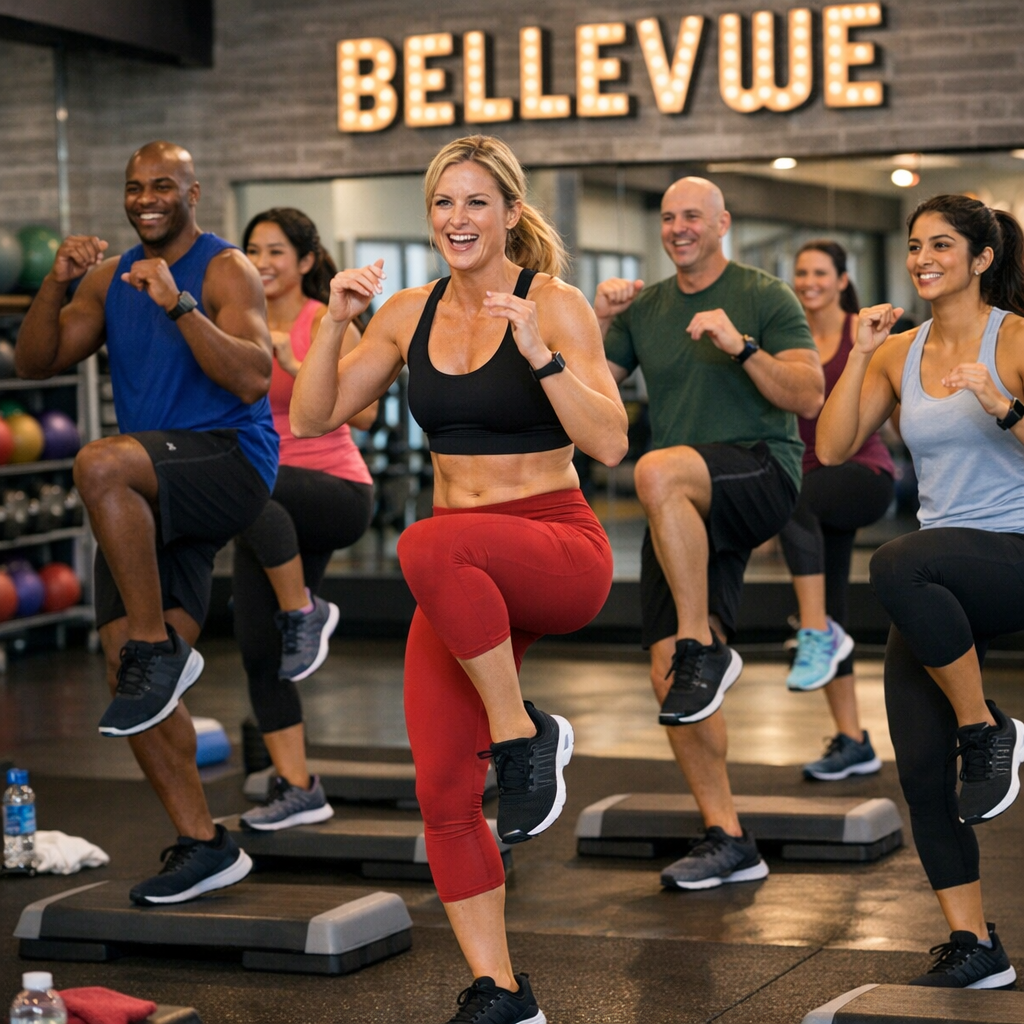
Living in Bellevue means having access to a strong network of fitness facilities, experienced mental health providers, and community resources—yet it can still feel overwhelming to pull together a wellness plan that fits your life. Whether you’re new to town or looking to hit refresh, here are pointers to help you build sustainable habits that support both physical strength and emotional well-being.
Explore Your Fitness Options Locally
Bellevue offers everything from hardcore bodybuilding to gentle yoga—with a gym or studio to match nearly every fitness goal.
Gym Types That Serve Different Needs
- Strength & weight training: Places like Tiger Gate Gym cater to serious lifters, with competition racks, free weights, and round-the-clock access. These features help when your routine depends on consistency.
- Performance & conditioning classes: If you prefer an instructor-led experience, gyms like Protocol offer small-group sessions that combine strength and conditioning in communities that coach progressively.
- Varied group fitness: The Bellevue Club delivers more than 250 weekly group classes across yoga, hot yoga, TRX, boxing, pilates, and more—providing variety to stay motivated.
Before choosing, consider what you actually want to do: lift, stretch, sweat in cardio, or a mix. Visit when you’d typically exercise (morning, lunch, evening) to check crowd levels and vibe. Ask if they offer free/tour classes to see whether staff and fellow exercisers feel welcoming. A clean space, functional equipment, and staff who seem interested in helping all go a long way.
Build Mental Health Into Your Routine
Mental health isn’t a separate track—it’s part of overall wellness. Bellevue supports multiple resources and means to stay emotionally steady.
Community Services & Counseling
- Sound Mental Health offers individual, group, and family therapy, crisis response, and case management in Bellevue. Certified for multiple behavioral services.
- Bellevue Police District and 24-hour hotlines: If things feel urgent, call 988 (national suicide prevention lifeline) or reach out to Crisis Connections. Bellevue School District also links students to community providers when needed.
- Public parks, classes & community centers: Look into drop-in classes through Bellevue Parks & Community Centers—often affordable group fitness options that also help you connect socially.
Tips for Consistency & Balance
- Make movement social: Joining group classes provides both motivation and accountability. Communities born in fitness studios or gyms can support mental resilience.
- Set realistic goals you enjoy: Skipping the “grind-only” mindset in favor of activities you like—whether it’s powerlifting or dance or hiking—makes it easier to stick with exercise long term.
- Check financial & time costs carefully: Gym memberships often have fees, minimum commitments, and cancellation policies. Compare what you’re getting (classes, amenities, hours) and how that fits your schedule.
- Blend mental health support into routines: Start small—five minutes of mindfulness, walking with a friend, reaching out when stress peaks. Use local services when needed, rather than waiting until pressure becomes overwhelming.
Where to Start This Week
Here’s a simple 3-step plan to move forward:
- Pick one fitness place to try: maybe a group class at Bellevue Club or a trial day at Tiger Gate.
- Schedule one mental health check-in: call a local counseling service or hotline just to begin the conversation.
- Create a weekly placeholder: block off 30-minute slots in your calendar just for movement or mental rest (meditation, journaling, nature walk).
If you build habits that nourish both your mind and body—choosing facilities and supports that feel welcoming, giving yourself permission to rest, and staying connected—you’ll realize wellness isn’t a destination but a steady journey you design.