

By Mason Jones • Bellevue, WA
The U.S. economy is navigating a challenging stretch: inflation refuses to ease as hoped, consumer spending is cooling, and interest rates may be headed higher.
What’s Happening Now
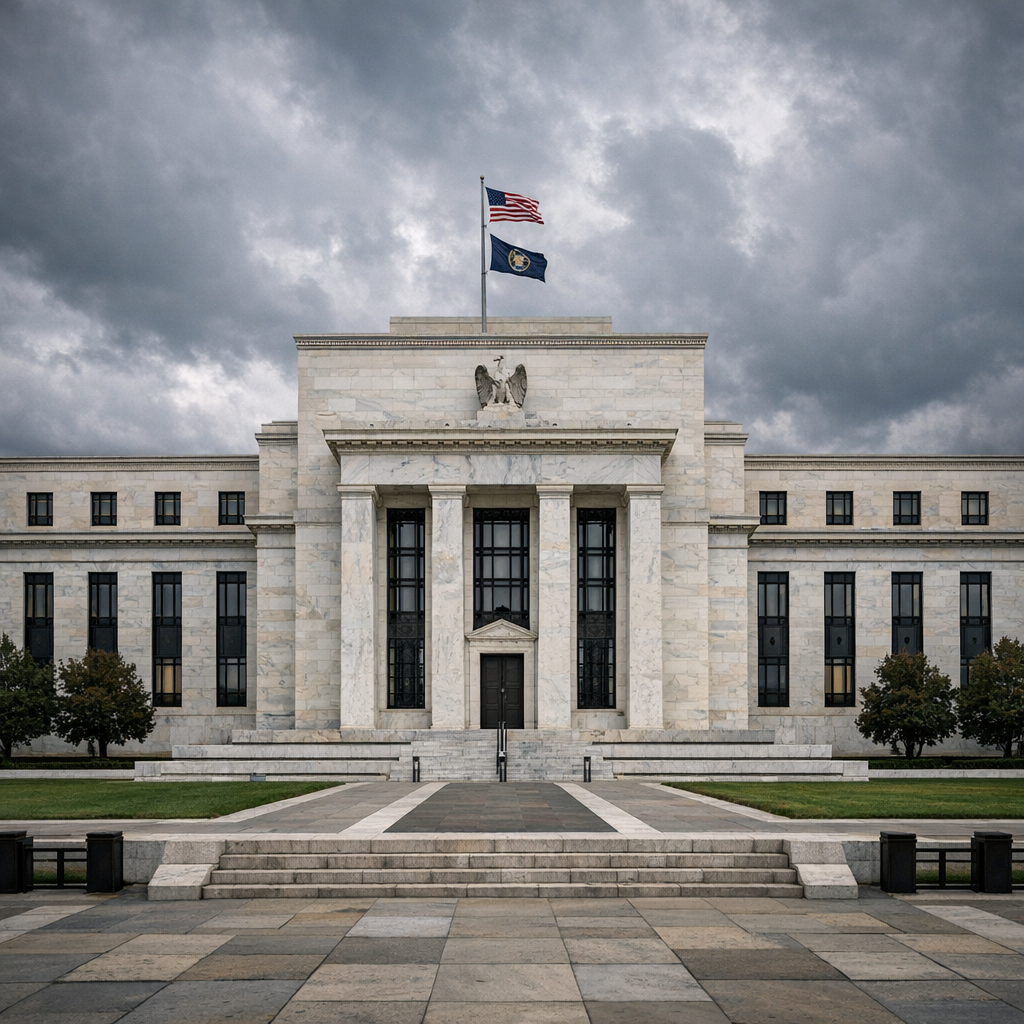
Federal Reserve Chair Kevin Warsh has issued one of the clearest warnings yet that if inflation doesn’t come down, the Fed is prepared to raise interest rates. During a major speech, Warsh emphasized that financial conditions currently aren’t restrictive enough to keep inflation in check. But he also acknowledged the strain this places on households and businesses.
Economic data offers mixed signals. In July, disposable income rose modestly, yet consumer spending lost momentum. Meanwhile, a key inflation gauge remained elevated, driven in part by energy prices and ongoing trade tensions.
What It Means for the Economy
The U.S. economy expanded at a sluggish pace—around 1.5% in the second quarter—though stripping out volatility from trade and government demonstrates underlying strength. Still, the growth isn’t enough to offset rising costs or the risk that consumer purchasing power continues eroding.
Markets have been jittery in response. Stocks drifted downward on expectations of rate hikes, and credit costs for things like mortgages and loans remain elevated. Already, three members of the Fed dissented in recent meetings, arguing rates should have been raised.
Why It Matters and What’s Ahead
Inflation has now been above the Fed’s 2% goal for several years, mostly due to supply-side issues ranging from energy to trade policy. That puts the Fed’s credibility under scrutiny: can it bring inflation down without causing a recession?
Rate hikes could start later this year, depending on whether inflation shows signs of falling and whether economic growth stabilizes. But higher rates could also deepen pressure on sectors like housing and on consumers already dealing with high debt. Many households may feel squeezed.
In short, the nation is at a crossroads. The Federal Reserve appears ready to act — but doing so without tipping the economy into a downturn will require sharp judgment, careful monitoring, and perhaps a bit of luck.