

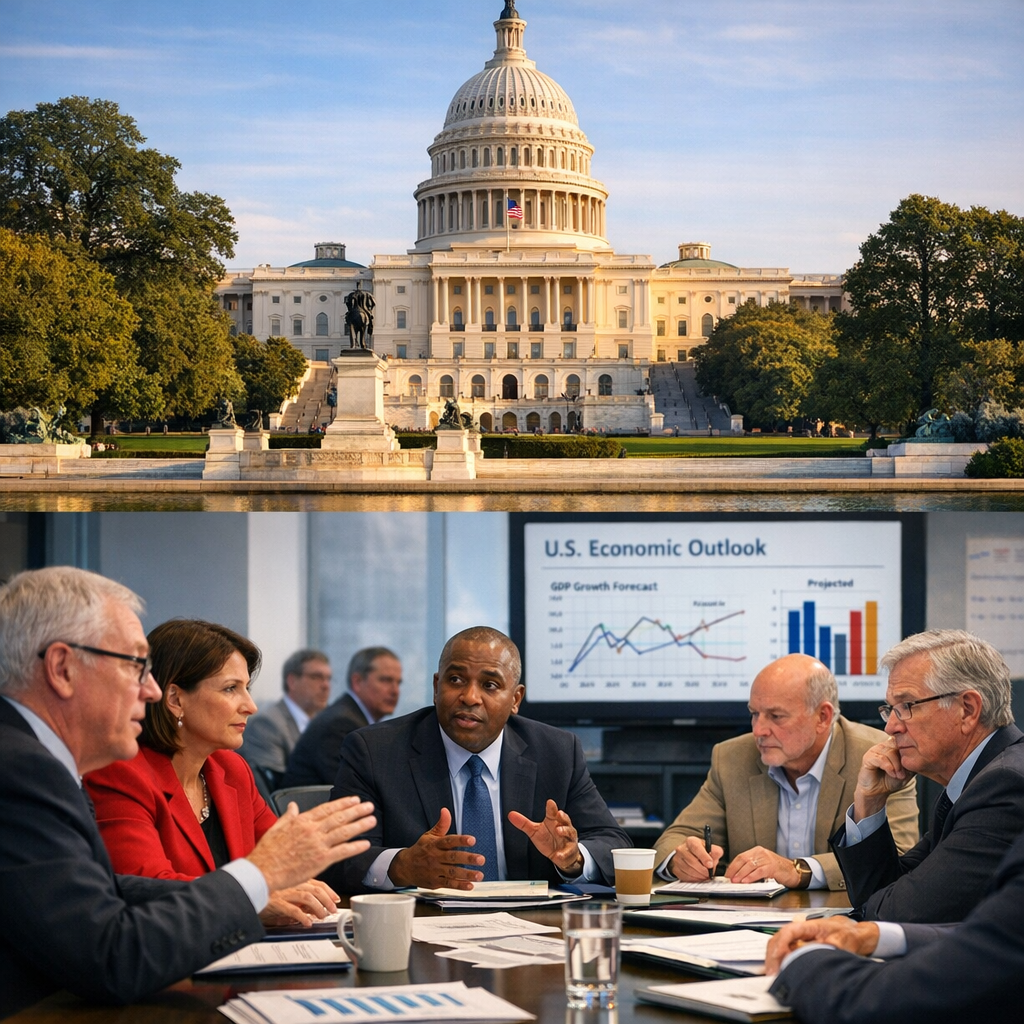
It’s a pivotal moment in the U.S. economy. Growth has cooled, prices remain above comfort zones, and federal policy decisions could shape how households fare in the months ahead.
Modest Economic Growth
The U.S. economy expanded at a 1.5% annualized rate in the second quarter. Though not alarming, this pace marks a slowdown from earlier periods. Consumer spending—making up about 70% of economic activity—grew more rapidly than many other sectors, showing resilience even amid broader softening. Still, dynamic growth across industry looks limited.
The implications? For consumers, the gradual growth may help reduce inflationary pressures. For workers and businesses, it poses challenges for strong hiring and wage gains.
Inflation Remains a Concern
After some recent easing, inflation has stopped falling, especially when stripping out volatile food and energy costs. One key measure watched by the Federal Reserve is still elevated, a signal that price pressures aren’t yet spent. Washington’s trade conflicts, including those tied to imports, also feed into this trend, pushing costs for both consumers and companies.
What this means: interest rates are unlikely to drop aggressively any time soon, and many families will continue dealing with higher-than-normal living expenses.
Labor Market: Mixed Signals
The unemployment rate is trending down: March-July data show it falling into the low 4% range, now about 4.1%. However, the number of nonfarm payroll jobs edged down slightly in July, with growth holding steady but modest over recent months. Layoff indicators remain subdued, suggesting that employers haven’t pulled back sharply, but hiring isn’t accelerating either.
As a result, wages continue to rise in some sectors, but pressures are uneven—and inflation still chips away at purchasing power.
Politics & Policy Watch
With midterm elections ahead, inflation and growth are front-and-center issues for voters. Congress is in a tug-of-war over federal spending priorities, rising debt limits, and trade policy—all of which could affect future economic outcomes. Meanwhile, the Federal Reserve is keeping a close eye on inflation measures and labor data to decide whether to adjust monetary policy.
What to Keep an Eye On
- Core inflation trends—if they continue to stay high, rate cuts may be delayed.
- Second-half growth—business investment, consumer confidence, and global economic headwinds will matter.
- Legislation around the federal budget and debt ceiling—it could influence markets, taxes, and long-term forecasts.
For Bellevue residents — and across the U.S. — this is a moment to watch how national policies translate into cost of living, job opportunities, and financial stability. The economic path ahead may be gradual, but its effects will be tangible.