

By Michael Carter
Bellevue’s environment is more than lush greenery and misty winters: it’s a dynamic system balancing climate patterns, natural ecosystems, and human influence. As our city grows, so does the urgency to understand how weather, native plants, stormwater, and air quality impact health, biodiversity, and resilience.
Understanding Bellevue’s Climate Patterns
Bellevue enjoys a marine climate typical of the Puget Sound region. Winters are wet and mild, springs bring rapid growth, and summers grow warmer with periods of dryness. These cycles shape the growing season—lasting approximately from early spring through the fall—and influence what plants thrive locally and how water systems behave.
Exposure to climate change means more unpredictable extremes: hotter dry spells in summer, wetter fall and winter periods, and occasional air quality risks from wildfire smoke drifting in. These factors underscore the importance of planning gardens, urban forests, and public infrastructure with both weather and shifting norms in mind.
Urban Tree Canopy: Cooling, Health, and Equity
Trees are Bellevue’s frontline climate asset. As of 2023, the city’s tree canopy covers around 39% of land—close to Bellevue’s goal of 40%. Canopies help reduce heat in neighborhoods, capture stormwater, filter air, and support habitat. But coverage isn’t evenly distributed: downtown areas show much lower canopy percentages than more suburban or forested neighborhoods. Equity in tree cover is emerging as a priority in city planning.
Initiatives now aim to preserve and enhance tree canopy and green spaces—especially in parts of town with less shade, higher heat vulnerability, or fewer natural areas. Planting the right tree in the right place is part of that approach, as is updating codes and collaborating with residents to support tree health.
Water Systems & Stormwater in a Changing Rain Regime
Bellevue’s water comes primarily from the Tolt and Cedar River watersheds, and treated water meets—or exceeds—all state and federal safety standards. Efforts in recent years have increased monitoring for contaminants like PFAS, and there is ongoing investment in water infrastructure for safety and reliability.
Stormwater management is essential here: Bellevue’s terrain, rain patterns, and built environment combine to challenge drainage. Combined with steep slopes on some properties, heavy winter rains highlight erosion risks and require well-designed systems. The city encourages green infrastructure—rain gardens, permeable paving, native plant buffers—to protect streams, lakes, and wetland systems.
Native Plants & Wildlife Support
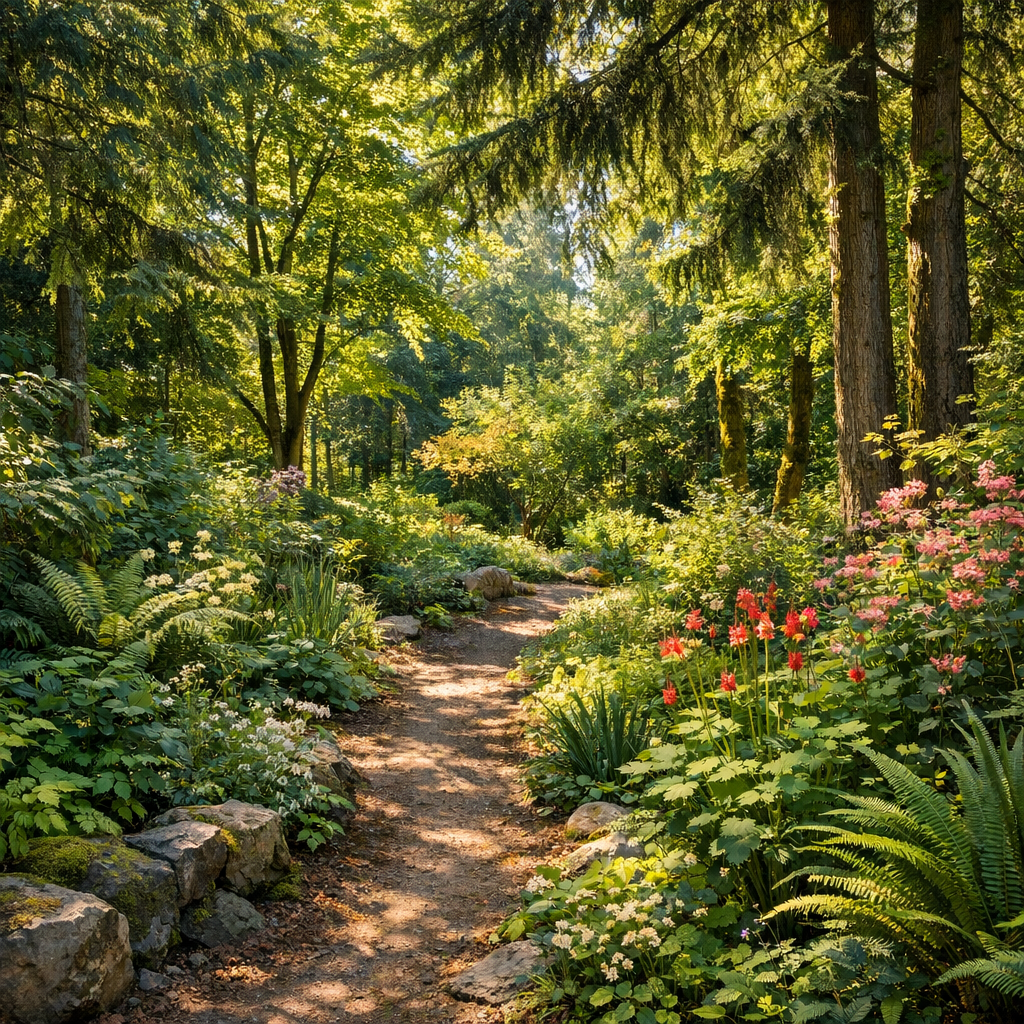
Choosing native species is more than gardening—it’s restoring balance. Native plants such as salal, Oregon grape, vine maple, and western red cedar are adapted to Bellevue’s climate, require less water once established, and offer habitat and food sources for local pollinators, birds, and insects.
When selecting plants, Bellevue recommends considering sunlight, soil moisture, disease resistance, and planting near streams and lakes to buffer water quality. Planting in spring or fall—when weather is mild and rainfall assists establishment—is advised. Small steps in our yards can add up citywide.
Tips for Residents
- Inspect your yard’s sunlight exposure and soil type before choosing plants.
- Reduce lawn areas—lawns need more water and chemicals than native plantings.
- Use native trees and shrubs along waterways to help filter pollutants.
- Join local programs like Bellevue’s native plant orders, stormwater workshops, or tree-planting events.
- Monitor air quality alerts, especially during wildfire season—and plan outdoor activity accordingly.
Looking Ahead: Climate Resilience and Planning
Policy-level work—in city action plans—addresses natural systems, equity, and infrastructure. Bellevue’s strategies include updating codes to support trees, prioritizing public tree plantings in vulnerable neighborhoods, and maintaining stream and wetland health.
Weather and environmental trends will continue changing. Drier summers, warmer nights, and more intense rainfall events will test both our built and natural systems. Bellevue’s value—its nickname “a city in a park”—depends on our collective efforts: trees, soil, water, and plants—even in small urban lots—are our shared resilience.