

By Olivia Adams
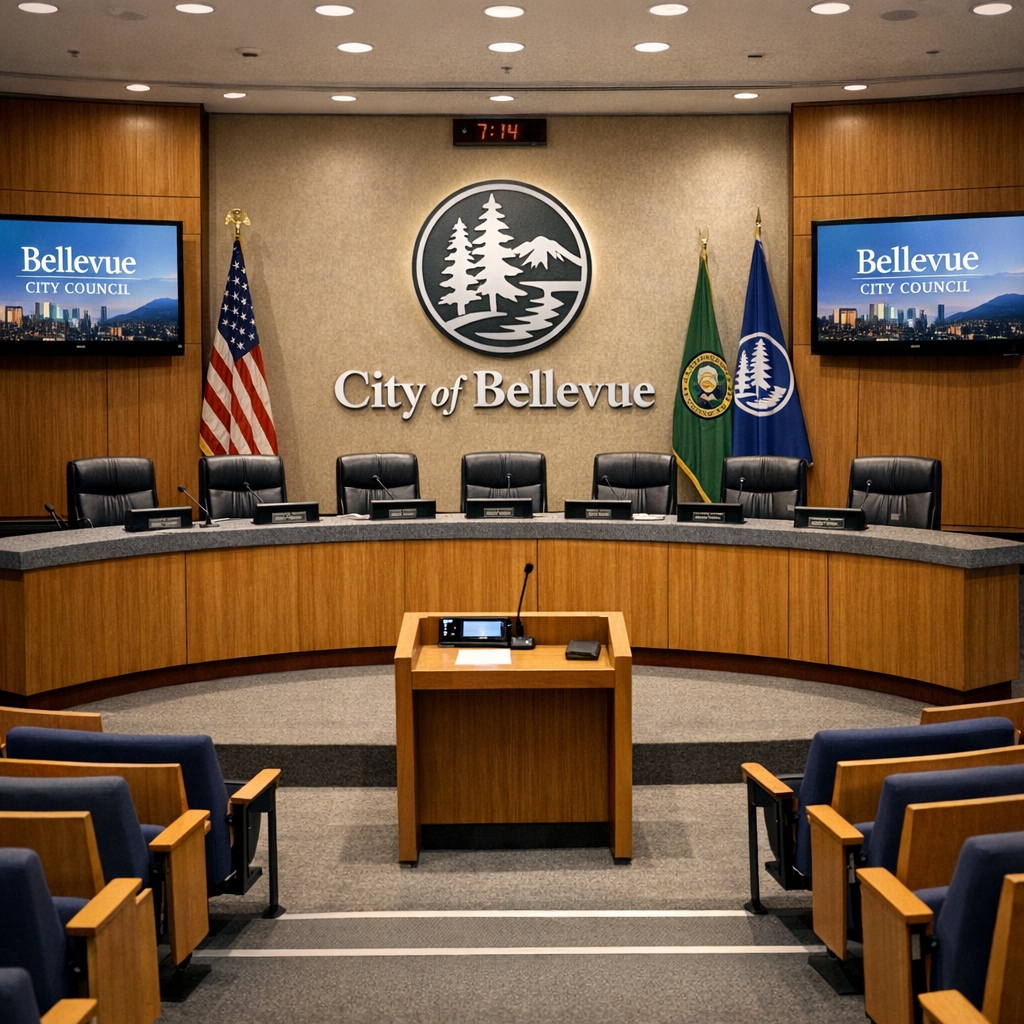
Bellevue is at a crossroads. With steady growth, residents’ priorities are shifting—calls for affordable housing, improved mobility, and more robust support for people experiencing homelessness have risen to the top. Here’s what’s changing at City Hall and what it means for everyday life.
Shaping the Future of Transportation
The newly updated Transportation Facilities Plan (TFP) for 2026–2037 outlines a strategic path forward for transportation: enhancing sidewalks, intersections, bike lanes, and transit to keep pace with growing demand. Citizens helped pick candidate projects, and many of these are still being weighed before formal funding priorities are set. One major unresolved piece: how to complete work on Northeast Spring Boulevard Zone 3, a stretch between 124th and 130th without a through connection today. The vision is transportation that works for all: drivers, walkers, cyclists, and transit riders alike.
Meanwhile, the I-405/Renton to Bellevue widening and express toll lanes project aims to reduce congestion and improve travel reliability. Once completed, it will create a two-lane express toll lane (ETL) system and add auxiliary lanes—bringing better transit options and smoother car travel.
Balancing Growth With Affordability
According to the 2025 VIBe Survey, affordability is now Bellevue’s top voter concern, overtaking traffic, crime, and growth as residents’ most pressing worry. From housing prices to healthcare costs, financial pressure is being felt broadly.
In response, the City Council has put the Affordable Housing Strategy and use of city-owned properties among its top priorities. Work is underway to update housing targets for 2026–2032, partner with developers, and enable below-market development on public land. Policies like the Multifamily Tax Exemption (MFTE) catalyst program are being considered.
Taking Action on Homelessness</n
A Patchwork of Programs
Bellevue continues to build out its suite of programs aimed at making homelessness “rare, brief, and one-time”. That includes connecting people to permanent supportive housing, helping with rent assistance, and collaborating on regional initiatives like King County’s Health Through Housing.
Enforcement and Outreach Together
While the city enforces certain codes and safety standards, there’s also increased emphasis on wrap-around supports for those most vulnerable. Services now more routinely include supportive referrals, case management, and efforts to address behavioral health and other underlying challenges.
The Big Picture: What This Means for Bellevue
- Residents will see construction and improvements across sidewalks, bridges, and transit—but many projects are still seeking long-term funding.
- Housing costs aren’t slowing. Bellevue must balance bold policy choices, like zoning changes and leveraging public land, with keeping neighborhoods livable.
- Complex social issues like homelessness are now being approached with both help and policy enforcement—highlighting a move toward holistic action.
As Bellevue chooses how to grow, the challenges are many—but so are opportunities. The next few months will be defining: the City Council’s actions on transportation funding, housing policy, and homelessness strategy will set the course for Bellevue’s future.