

By Evelyn Parker
Bellevue’s real estate landscape is in motion. Prices are softening a bit, rental rates are easing, and local policies are changing to deliver more diverse kinds of housing. Whether you’re renting, buying, or investing in development, here are what today’s key trends are—plus what they might mean for you.
Home Prices: Slight Cooldown in a High-Priced Market
After years of strong appreciation, Bellevue is seeing mild declines in home sale prices. The median home price across Bellevue recently sat around $1.5 million, which represents a drop of about 5–6% year-over-year in many reports. Homes are also spending more time on the market, averaging around two weeks or more—roughly double what it was in prior years.
Despite that, values remain elevated. The Zillow Home Value Index puts the typical Bellevue home at about $1.47 million, and that represents an increase of nearly 15% over the past five years. In short: while things are cooling off, Bellevue remains an expensive place to buy. Affordability pressures are still very real.
Rentals: Slight Relief for Renters
Rents in Bellevue are showing signs of easing. The average rent for all property types is now just over $3,000/month, which is down somewhat from the past year. That said, rental availability remains relatively tight, especially in high-demand neighborhoods and near transit lines.
For many renters, this brings a small window of breathing room. But for those looking for affordable, high-quality housing—or particular layouts or locations—choices are still limited, and competition remains steep.
Supply, Listings, and Development Activity
For-sale inventory is up: there are more homes listed compared to the same period last year, giving buyers more options. That said, many listings are still priced high, and neighborhoods vary: some high-end areas are still relatively constrained.
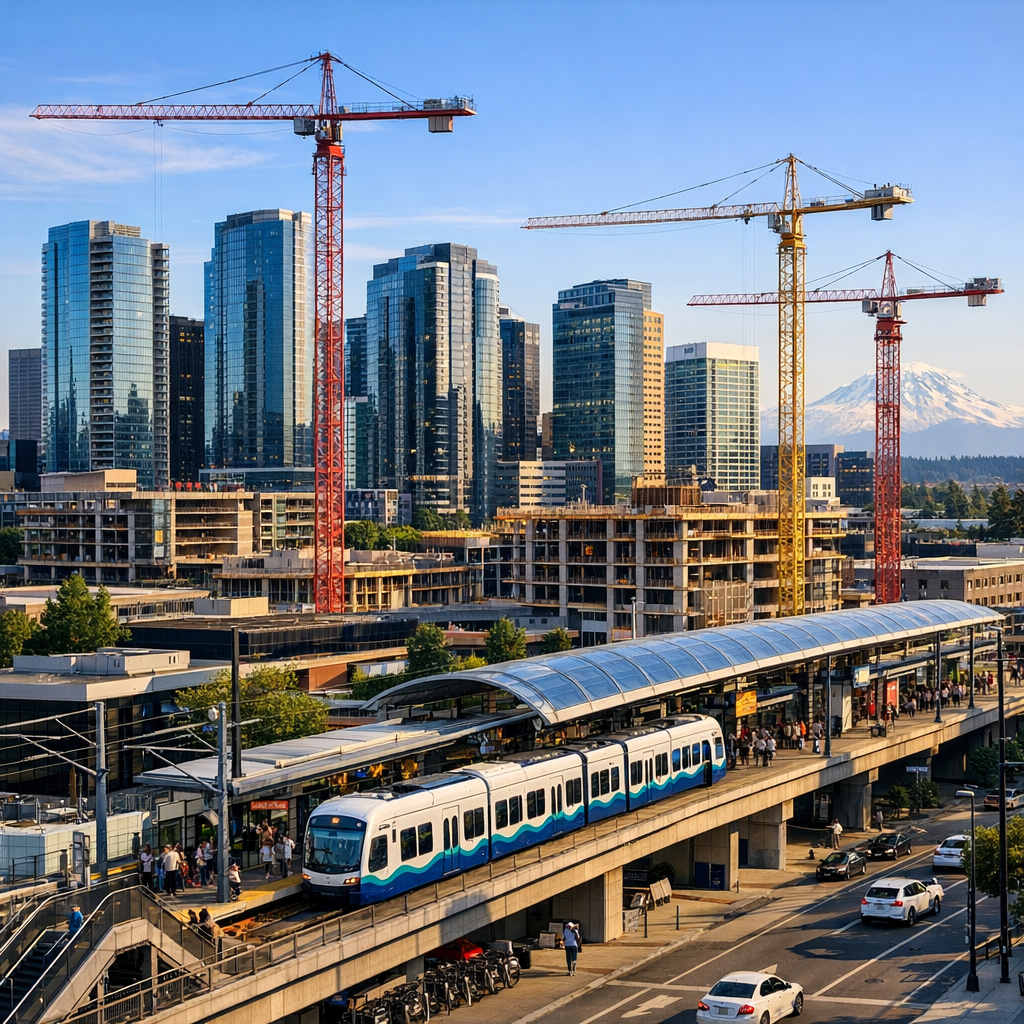
On the development side, Bellevue has a lot in the works. Across citywide tracked projects, over 7,500 housing units are in some phase of planning or permitting, with a combined value of more than $300 million. BelRed is among the busiest neighborhoods, along with Wilburton and Northwest Bellevue. Mixed-use buildings, transit-oriented projects, and larger apartment developments are shaping the pipeline.
Policy Shifts & Affordable Housing Push
To address affordability and housing diversity, the city is rolling out policy changes collectively known as “Next Right Work.” These include land use code amendments that allow duplexes, triplexes, quadplexes and accessory dwelling units (ADUs/DADUs), higher Floor Area Ratio (FAR) in mixed-use areas, and fee reductions for 100% affordable housing and supportive service uses.
Meanwhile, funding for affordable housing has broken records. Bellevue has authorized tens of millions in grants and tax programs aimed at constructing or preserving housing for households earning between 30% and 80% of Area Median Income (AMI), including units for families exiting homelessness.
What It Means for Different Groups
Buyers & Investors
If you’re buying, you may find more negotiating room, especially in homes that have been listed longer or are priced aggressively. New development opportunities may offer alternatives, but new units often come with higher premiums, particularly near transit hubs.
Renters
Noticeably slower rent growth means some relief, but expect competition, especially in locations with transit access or in newer buildings. Considering roommates, less central locations, or different unit types can stretch budgets further.
Developers & Community Advocates
There’s a clearer path now for mixed-use, higher-density, and affordable projects because of policy changes and city incentives. But navigating permitting, environmental reviews, and cost pressures will still require strategic planning and community engagement.
Heads Up—What to Watch
- Mortgage rates and their impact on buyer demand and affordability.
- How the city implements zoning changes under “Next Right Work” and the effects in specific neighborhoods.
- Transit-driven development near light rail stations—including projects adjacent to 130th/BelRed and others shaping BelRed.
- Funding rounds for affordable housing: watch when Request for Proposals (RFPs) open and which projects get approved.
In short: Bellevue’s market isn’t heading for a collapse, but it is adjusting. For many, the shift brings new opportunity—but also lingering affordability challenges. If you’re looking to buy, rent, or build, it’s a good time to get informed and move smart.