

By Ava Washington
The world is navigating a challenging era for democratic governance. Recent analyses indicate that democratic decline is not a temporary dip—it’s a growing trend with implications not only for citizens’ rights, but for global peace and stability.
Democratic Governance in Retreat
Multiple reports show that in a majority of surveyed countries, democratic institutions are under strain. Processes like free and fair elections, judicial independence, and civil liberties—especially freedom of expression and press—are deteriorating in many places. These trends are well documented across Global State of Democracy (GSoD) and BTI assessments, which point to weakening rule of law and growing executive overreach. 12
Where and How Backsliding Occurs
Democratic erosion takes different forms. In some countries, court rulings are ignored, media faces censorship or intimidation, and opposition parties are weak or co-opted. In others, elected leaders centralize power and suppress dissent under the guise of national security or emergency powers. Even established democracies are showing signs of instability: the U.S., for example, has registered declines in key democratic indicators such as courtroom impartiality and media freedom. 13
The Rising Risk of Conflict
Alongside democratic decline, the global landscape is showing an uptick in violent conflicts—both internal and interstate. Countries already dealing with instability are most vulnerable to conflict escalation. Analysts note that when democratic institutions weaken, societies lose legitimate channels for voicing discontent, increasing the likelihood of unrest or authoritarian crackdowns. 12
Multilateralism and the Global Norms in Flux
Key international institutions and norms—traditionally defenders of democratic ideals and human rights—are under unprecedented pressure. A less cohesive multilateral system means fewer checks on governments that violate norms. As great-power competition intensifies and strategic interests shift, cooperation becomes more transactional, less principle-based. This raises questions: Who defends democracy when institutions lose legitimacy? What happens when international pressure falls short?
Paths Forward and the Role of Civil Society
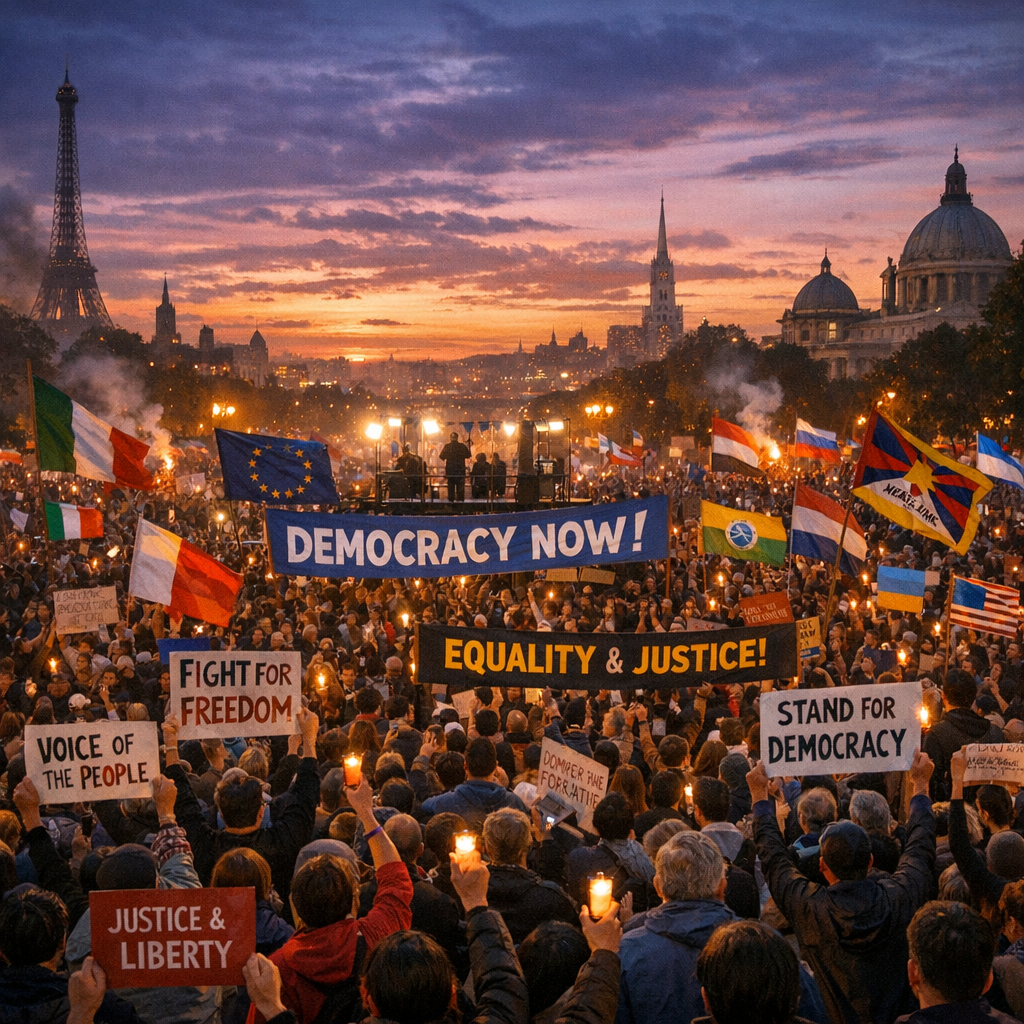
Even amid crisis, there are sources of resilience. Civic organizations, independent media, grassroots movements, and young people advocating for change play critical roles in pushing back against oppressive trends. Transparent legal frameworks and strong civil institutions help buffer decline. Meanwhile, international actors who continue supporting democratic norms—even when it’s difficult—contribute essential pressure.
The fate of democracy in the coming years will likely depend on both internal reform and external support. Ensuring resilience isn’t just about preserving institutions—it’s about keeping democratic ideals alive for communities to claim their rights and voice their needs.