

By Mason Jones
Two major developments have captured national attention: one legal, the other economic — both with implications far beyond Washington, D.C.
Supreme Court Clears Path for Third-Country Deportations
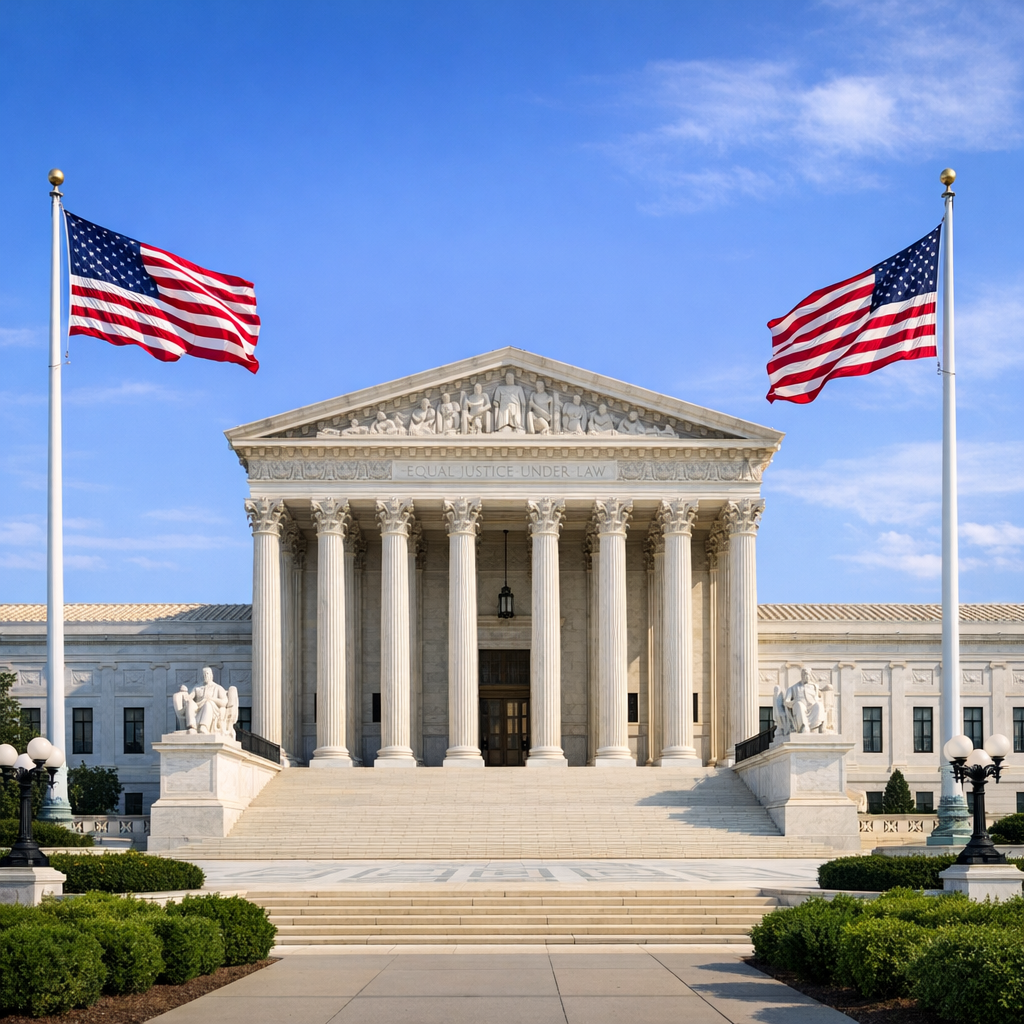
On September 29, the U.S. Supreme Court ruled that the administration may resume rapid deportations of immigrants to countries other than their own while legal challenges to that policy play out. The decision temporarily lifts a lower court’s requirement for “meaningful notice” and an opportunity to contest deportation, allowing the policy to take effect for now.
The case has raised significant concern among immigration advocates, who argue that it removes key protections for asylum seekers. Supporters, however, say it’s necessary to manage border security and reduce backlogs in immigration courts.
Economy: Public Sentiment Falls to a Multi-Year Low
Meanwhile, a national survey released the same day shows Americans’ confidence in the economy sinking — reaching the lowest level witnessed since 2014. The dip reflects worries over persistent inflation, soaring energy costs, and concerns about living expenses ahead of the upcoming congressional elections.
Economists warn that low consumer confidence could lead to reduced spending, which in turn might slow economic growth and challenge policymakers aiming to balance inflation control with support for households.
Why These Two Issues Matter Together
These developments add up to more than just separate headlines. When legal shifts on immigration align with economic unease, they can have major political consequences. Lawmakers may face pressure from constituents uneasy about rising costs while also grappling with complex national debates over immigration policy and executive authority.
Looking ahead, the courts’ full ruling on the third-country deportation policy and whether the elevated public concern about the economy shifts consumer behavior will bear watching closely. Both could influence voting patterns and legislative priorities as the nation heads toward its next set of political decisions.