

By Ava Washington
Geopolitical Shifts: Tensions, Leadership, and the Global Power Table
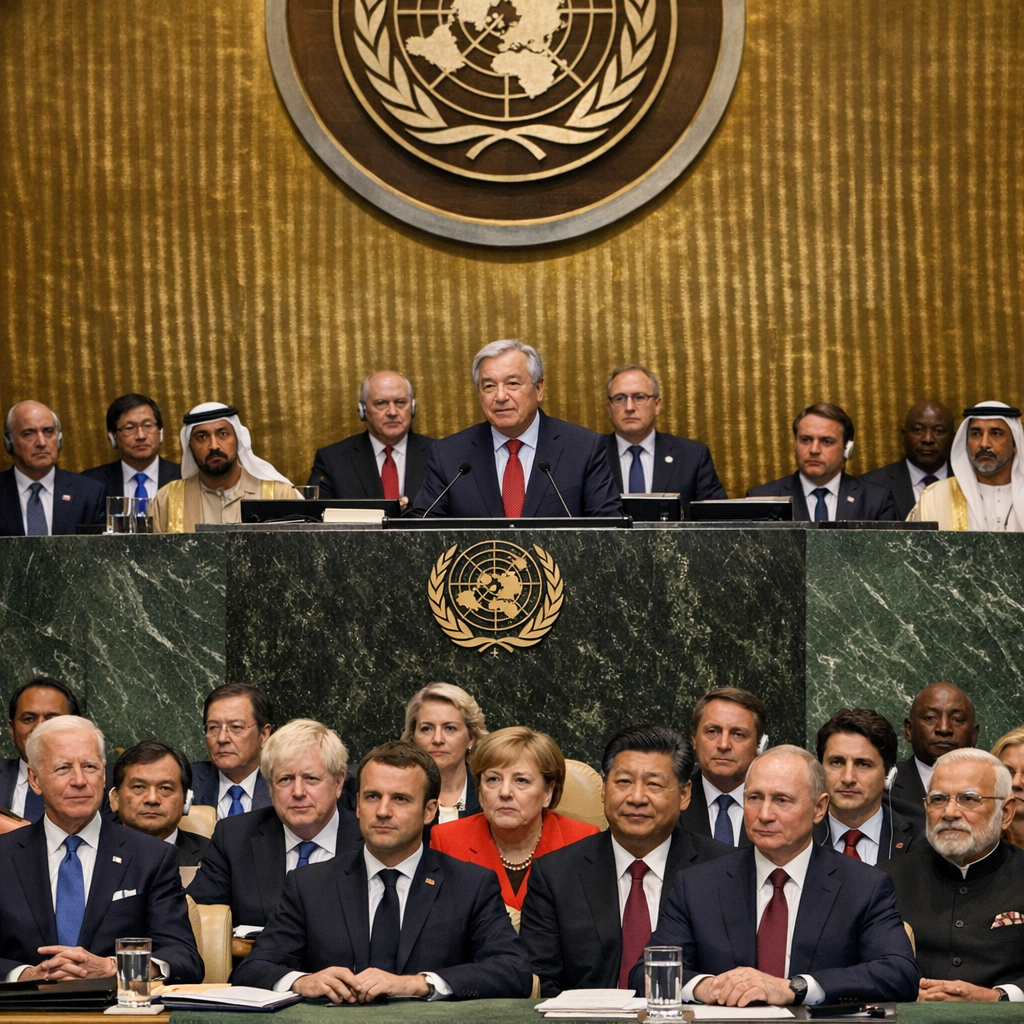
World leaders gathering at the United Nations recently emphasized how concentrated political risks have become. According to the latest UN Global Risk Report, over a third of experts believe a large-scale war is an increasing possibility within the next year. Alongside this, there’s growing pressure for greater representation in international institutions—for island nations threatened by climate change, and for the African continent at large. The conversations underscore that global governance structures are under scrutiny as the world rebalances power.
Climate Crisis Meets Displacement and Conflict
The impacts of climate change are no longer a future concern—they’re compounding existing humanitarian crises today. Three in every four refugees and displaced people live in countries with high-to-extreme exposure to climate-related hazards. In many cases, violent conflict forces migration, and climate extremes prevent safe return. Meanwhile, negotiations around adaptation indicators and mitigation tools are stalling, even as states push for implementation of climate action and resilience policies under frameworks like the Paris Agreement.
Global Health at Risk: Reversals Threaten Hard-Won Gains
Progress on global health—though significant over the past decade—is now in jeopardy. Efforts against HIV, tuberculosis, malaria, and other diseases have yielded substantial gains, but rising inequalities, fragile health systems, and disrupted supply due to conflict are undermining them. An ongoing Ebola outbreak in central Africa, with over 2,000 deaths, has revealed how conflict zones complicate disease containment. Also, unexpected health events—like outbreaks on cruise ships or sudden shortages in medical supplies—continue to test response systems.
What’s at Stake
The Sustainable Development Goals (SDGs), adopted as a global blueprint for peace, prosperity, and sustainability, are now at risk of falling out of reach. Conflicts, climate shocks, debt burdens, and falling aid are among the serious headwinds slowing progress. As unequal development or access to resources deepens, millions of lives hang in the balance—whether in health, food security, or education.
Paths Forward: Cooperation, Investment, Action
Addressing these intertwined challenges demands more than rhetoric. Experts stress three pillars:
- Inclusive global governance. Ensuring all countries—particularly those most affected by climate change and systemic inequality—have a voice in decision-making.
- Strengthened health systems and preparedness. Investing in infrastructure, local capacity, reliable data, and supply chains, especially in fragile regions.
- Urgent climate action with built-in justice. Moving beyond emission targets to ensure adaptation funding, technology, and support reach those on the front lines.
In Bellevue, our stories too are connected to this global tapestry. When crises strike halfway around the world, their ripple effects touch economies, migration, public health—and even our own climate. At this moment, the path forward demands cooperation over division, foresight over reaction. It’s time we all lean in.