

By Michael Carter — Bellevue is experiencing shifts in weather and environmental patterns that are likely to shape the city’s future. Rising temperatures, increasing precipitation extremes, and impacts on native wildlife pose challenges—and also present opportunities for community-driven resilience.
Heat, Rain, and Climate Trends
Climate projections indicate Bellevue will see hotter summers with more frequent high‐heat days. Where previously there were about seven days per year over 84.6°F, forecasts suggest that will increase substantially through mid‐century. At the same time, overall rainfall won’t just rise—it will tend to fall in more intense bursts, increasing flood risk in certain neighborhoods and straining stormwater systems.
Threats to Natural Habitats and Water Bodies
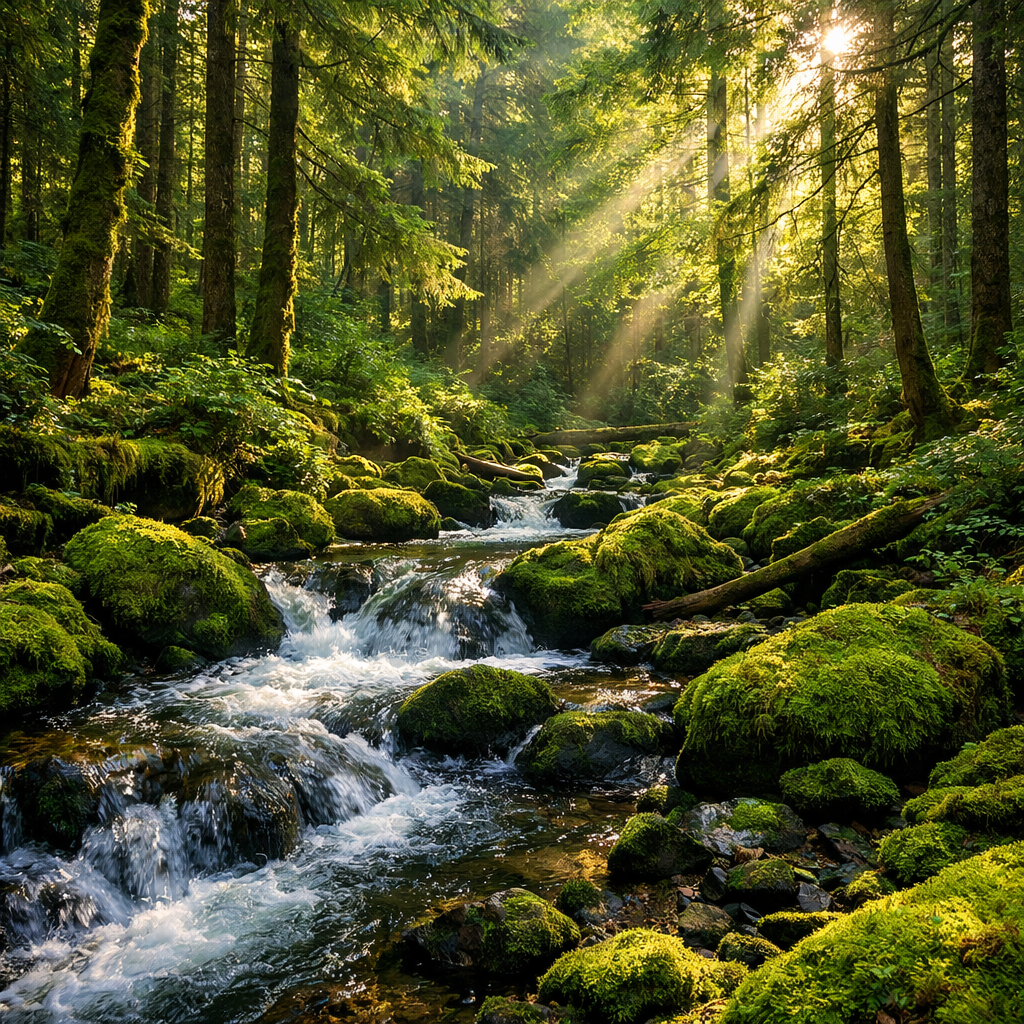
Bellevue’s terrain—its forests, streams, wetlands, and shorelines—supports species like salmon, black bears, and western red cedar. But warming water temperatures, sudden runoff from heavy precipitation, and habitat loss are undermining these ecosystems. Streams like Kelsey Creek and Coal Creek are especially vulnerable, as they are already under pressure from stormwater runoff, sediment buildup, and altered streamflow timing.
Equity, Vulnerability, and Community Resilience
The impacts of climate change aren’t felt equally. Older adults, low‐income households, immigrants, and communities of color often have fewer resources to adapt—to cope with heat waves, flood risk, or poor air quality. Bellevue’s comprehensive plans now explicitly aim to align environmental planning with social equity, recognizing that climate resilience has to include housing, infrastructure, and public health protections in the most vulnerable areas.
What Bellevue Is Doing—and How You Can Help
- Community-level targets: Bellevue has committed to reducing greenhouse gas emissions by 50% by 2030 and achieving carbon neutrality by 2050.
- Natural systems focus: The city is boosting efforts to protect and expand tree canopy, improve stormwater practices, and conserve wetlands and critical areas.
- Engagement & readiness: Public education, strong land-use policies, and advance planning (such as neighborhood retrofit initiatives) help prepare for heat, heavy rains, and other climate hazards.
As residents, there are practical steps we can take: plant native species, support green infrastructure, reduce energy use, and prepare for sudden storms and heat spells. Bellevue’s sustainability roadmap shows what’s possible when local action matches concern for the future.