

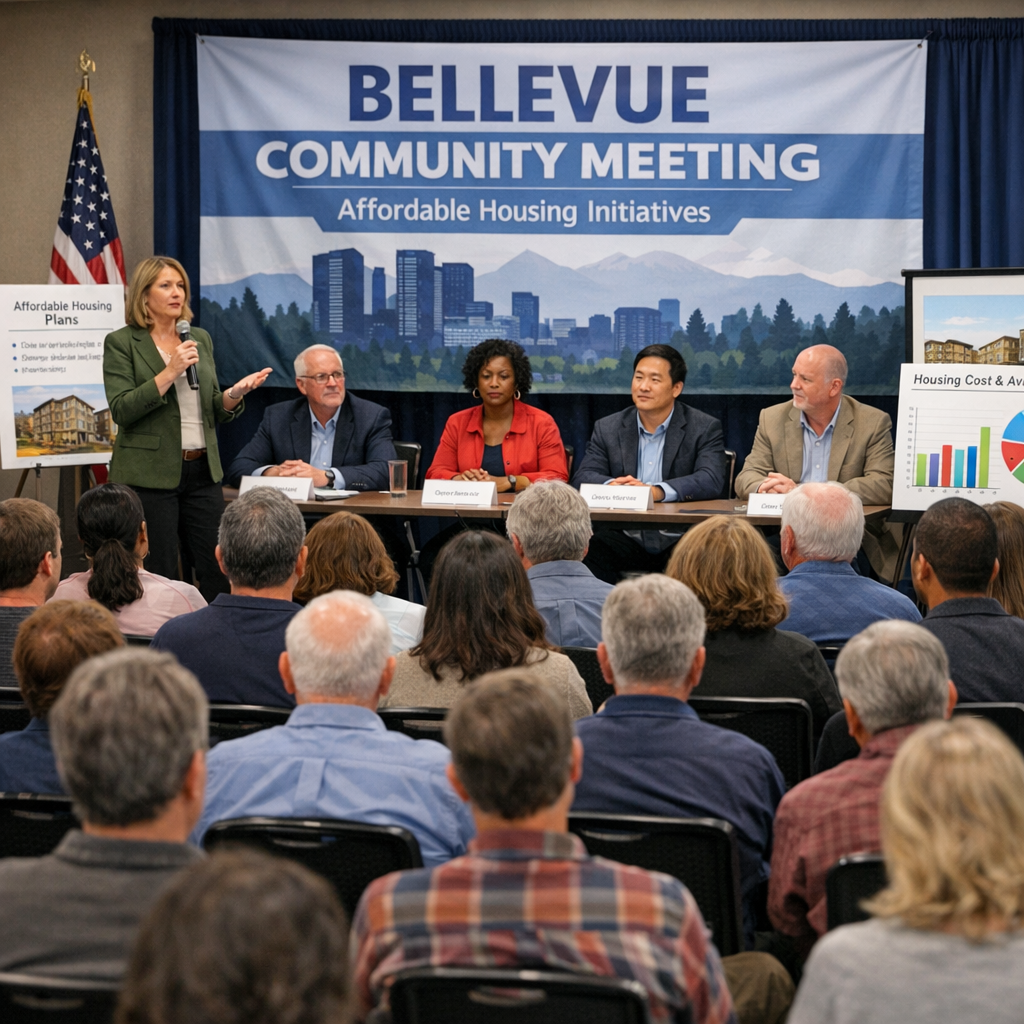
Bellevue has recently taken significant steps to address housing affordability, a pressing concern for many residents. The City Council’s approval of the updated Affordable Housing Strategy (AHS) for 2026-2032 underscores this commitment. This plan aims to produce and preserve over 5,700 affordable housing units for individuals earning between 0 and 80% of the area median income over the next decade.
The AHS is built on five core pillars: Affordable Housing, Housing Equity, Housing for Unique Needs, Housing Stability, and Housing Supply & Diversity. These pillars reflect a comprehensive approach to tackling the multifaceted challenges of housing affordability. Notably, the strategy emphasizes the importance of dedicated funding to achieve these goals, recognizing that regulatory reforms alone are insufficient to meet the needs of the city’s lowest-income households.
Community members have expressed a mix of optimism and concern regarding these developments. While many appreciate the city’s proactive stance, others are wary of potential tax implications. A recent survey indicated that 74% of Bellevue voters are worried about their personal financial situations, and 60% believe that taxes are too high relative to the services received. This sentiment highlights the delicate balance the city must maintain between funding essential housing initiatives and addressing residents’ financial concerns.
In addition to the AHS, Bellevue has been exploring other avenues to enhance housing affordability. The Multifamily Tax Exemption (MFTE) program, for instance, has been a topic of discussion among city officials and community stakeholders. The program aims to incentivize developers to include affordable units in their projects, thereby increasing the overall supply of affordable housing in the city.
As Bellevue continues to grow and evolve, the city’s dedication to creating a community where individuals of all income levels can live and thrive remains evident. The success of these initiatives will depend on ongoing collaboration between city officials, developers, and residents to ensure that the strategies implemented effectively address the diverse needs of the community.