

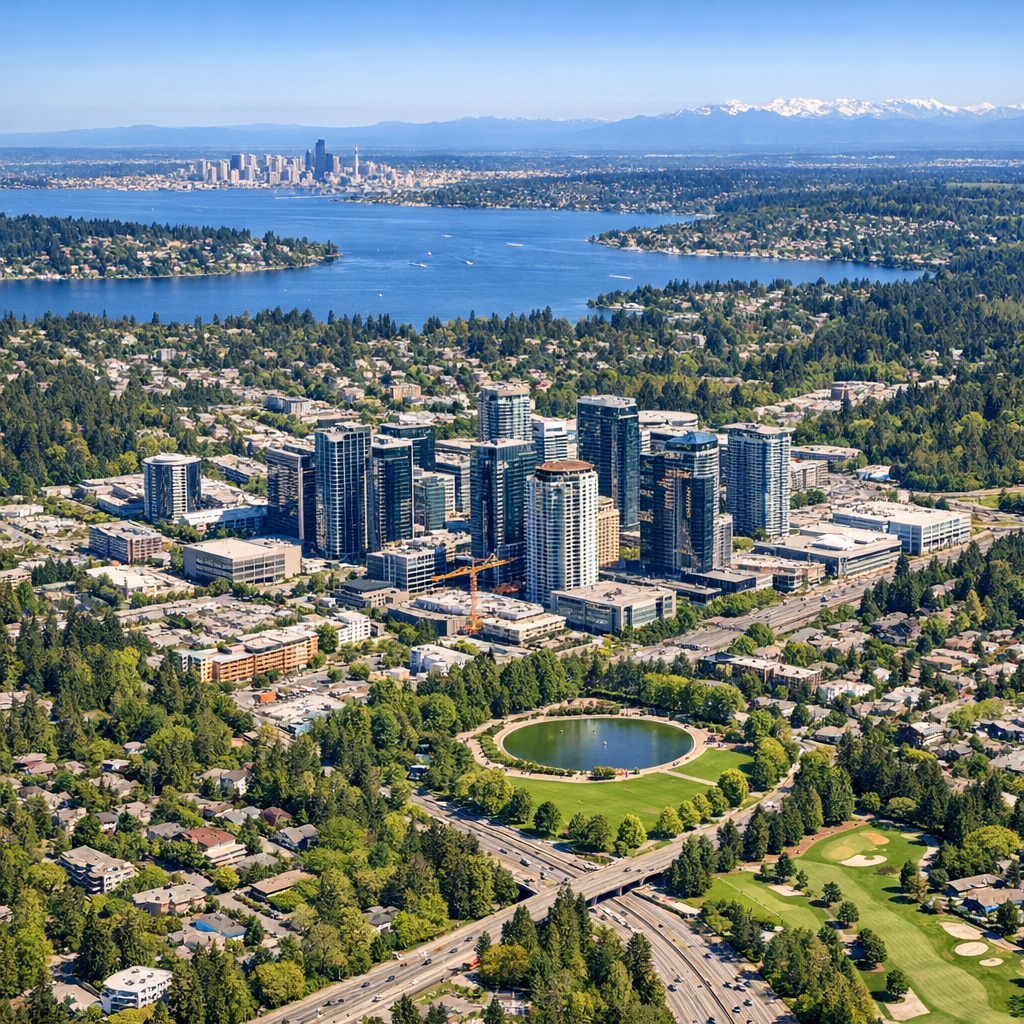
Bellevue has set an ambitious goal: achieving carbon neutrality by 2050. This commitment is outlined in the city’s 2026–2030 Sustainable Bellevue Plan, which serves as a roadmap for environmental stewardship and climate action.
Key Focus Areas
The plan emphasizes several critical areas:
- Energy and Buildings: Enhancing energy efficiency in residential and commercial structures and transitioning to renewable energy sources.
- Mobility and Land Use: Promoting sustainable transportation options and thoughtful urban planning to reduce emissions.
- Natural Systems: Preserving and expanding green spaces, maintaining tree canopy coverage, and protecting water resources.
Community Involvement
Residents play a vital role in this sustainability journey. The city encourages community participation through initiatives like the Bellevue Climate Challenge, which offers residents actionable steps to reduce their carbon footprint. Simple actions, such as opting for tap water over bottled, regularly checking tire pressure, and planting trees, can collectively make a significant impact.
Progress and Recognition
Bellevue’s efforts have yielded measurable results. Between 2011 and 2024, community-wide greenhouse gas emissions decreased by 12%, even as the city experienced population and job growth. This progress has not gone unnoticed; Bellevue received the Leadership Award for its Sustainable Bellevue Plan and the People’s Choice Award for the newly opened downtown Fire Station 10, reflecting the city’s dedication to integrating sustainability into both planning and infrastructure.
Looking Ahead
While these achievements are commendable, the path to carbon neutrality requires ongoing commitment. The city continues to implement strategies that align with its sustainability goals, including supporting building owners in enhancing energy efficiency and expanding electric vehicle infrastructure.
For more information on Bellevue’s sustainability initiatives and how you can contribute, visit the city’s Environmental Stewardship page.