

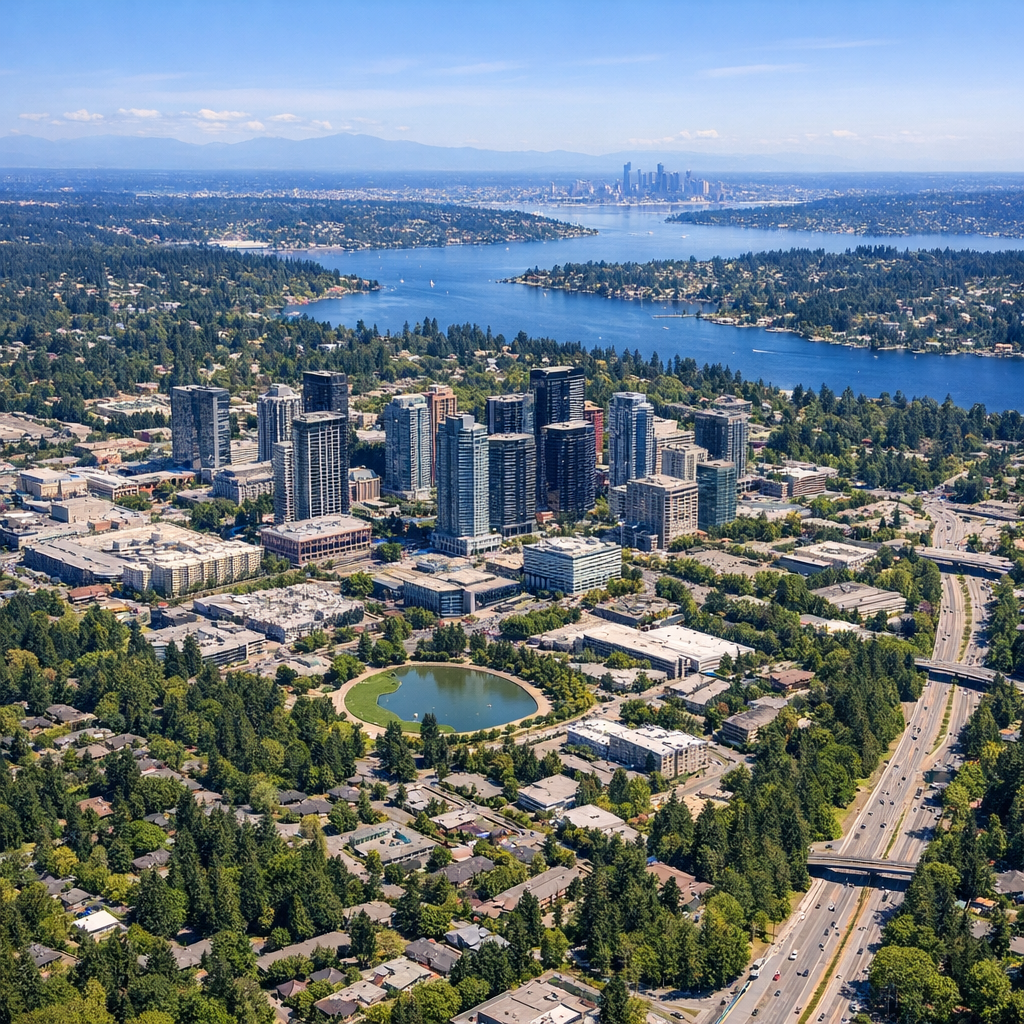
Bellevue has made notable strides in its environmental stewardship, achieving a 4.6% reduction in greenhouse gas emissions from 2023 to 2024. This progress is largely due to decreased energy consumption, reduced reliance on fossil fuel-based transportation, and an increased supply of clean electricity from Puget Sound Energy.
Despite these gains, the city’s tree canopy experienced a slight decline, decreasing from 39.6% in 2021 to 39.3% in 2023. This reduction, amounting to approximately 70 acres, was primarily observed in suburban residential areas. Conversely, tree canopy within city parks increased by 38 acres during the same period.
These developments are part of Bellevue’s broader commitment to sustainability, as outlined in the 2026–2030 Sustainable Bellevue Plan. The plan sets ambitious targets, including a 95% reduction in community-wide greenhouse gas emissions by 2050 and achieving a 40% citywide tree canopy. To support these goals, the city has implemented various initiatives, such as the Clean Buildings Incentive Program and the Energy Smart Eastside program, aimed at enhancing energy efficiency and promoting renewable energy adoption among residents and businesses.
Community engagement remains a cornerstone of Bellevue’s environmental strategy. Residents are encouraged to participate in programs like the Bellevue Climate Challenge, which offers practical steps to reduce individual carbon footprints. Additionally, the city continues to collaborate with regional partners through the Eastside Climate Partnership and the King County-Cities Climate Collaboration to amplify the impact of local sustainability efforts.
While the recent data highlights both progress and areas for improvement, Bellevue’s ongoing initiatives and community involvement are pivotal in advancing the city’s environmental objectives and fostering a sustainable future.