

By Olivia Adams
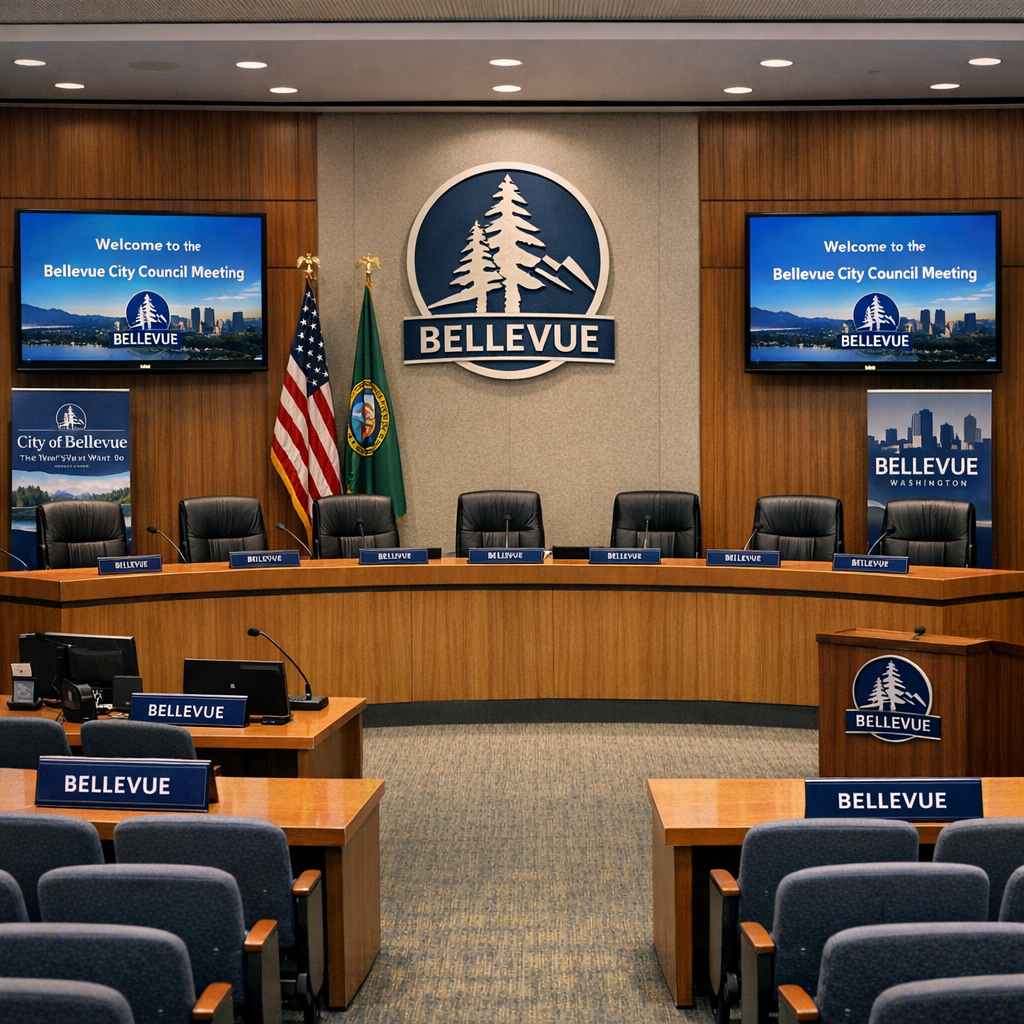
Bellevue is navigating a period of rapid growth and change. The City Council has laid out an agenda centered on balancing development, sustainability, and quality of life. From housing strategies to transportation upgrades, here are several city-level updates to know.
Affordable Housing Strategy & Use of City-Owned Land
One of the central points in Bellevue’s policy framework is the updated Affordable Housing Strategy for 2026–2032. The strategy outlines high-priority actions, accountability metrics, and goals for increasing housing access and stability. Council is also moving forward with policy support to enable use of city-owned property — like the Kelly TOD and Wilburton TOD sites — for below-market housing development. These programs are designed to help bridge gaps in housing costs for lower- and middle-income households.
Transportation and Infrastructure Investment
Bellevue is facing a significant long-term transportation funding gap. Estimates show a roughly $1.5 billion need over a multi-decade horizon for major infrastructure projects, while existing revenue covers just under half of that. As a result, key decisions in upcoming budgets will determine which projects are accelerated and how to pursue additional funding mechanisms. Meanwhile, routine maintenance is also underway—such as paving work along eastbound I-90 near Mercer Slough through 150th Ave Southeast to restore deteriorated roadway sections.
Permitting Modernization & Community Engagement
To support both housing and business development, Bellevue is working to streamline its permitting processes. New public-private partnerships (e.g. Govstream.ai) aim to improve clarity, speed, and predictability for applicants. Capacity is being enhanced and standards refined to make sure that design, land use, and regulatory work align better with community priorities—especially in areas like Old Bellevue, where interim design controls have been adopted to preserve scale and character.
Sustainability, Utilities, and Affordability
The city’s 2026-2030 Sustainable Bellevue Plan establishes goals across climate, buildings, land use, natural systems, waste, and mobility. Actions include building electrification, expanding clean energy programs, and improving infrastructure to recover from extreme weather. Utilities are a big concern: in a recent survey, affordability ranked as the top issue, along with calls for clearer communication on bills and rates. Investments are also underway to upgrade aging sewer lines, manage stormwater, and address flooding risks.
Looking Ahead: How These Priorities Affect You
- Residents seeking housing: Keep an eye on developments around city-owned properties and affordable housing incentive programs.
- Drivers and commuters: Expect both short-term traffic impacts from road and pavement work, and longer-term shifts if bond measures or funding packages pass.
- Property owners and businesses: New design standards and permitting changes—especially in Old Bellevue—may affect renovation plans and redevelopment timelines.
- Everyone: Utility rates, environmental programs, and services will reflect the city’s growing emphasis on sustainability and equity.
Bellevue’s leadership is staking its efforts on balancing growth with livability. The decisions made in coming months at City Council and in budget cycles will help define what kind of city we are becoming—and how accessible, sustainable, and resilient Bellevue will be for all who call it home.