

I’m Michael Carter bringing you a look at Bellevue’s changing environment—what’s shifting in our air, forests, and waterways, and how we can all help.
More Extreme Heat & Rising Air Risks
Bellevue is already seeing the signs. In recent climate assessments, residents report growing exposure to extreme heat, wildfire smoke, and flooding. In just a few decades, Bellevue neighborhoods may see an additional 30–32 days per year over 88 °F—an increase that strains health, power infrastructure, and comfort. When heat and air become extreme, those who are older, younger, or managing health conditions tend to be hit hardest. (Climate Vulnerability Assessment studies) (Sustainable Bellevue Dashboard)
When the Air Turns Hazardous
Wildfire smoke and pollution from traffic or construction can push air quality into “unhealthy” zones. Bellevue’s AQI system does a good job of warning us—but it’s up to us to act, especially during smoky summer days or peak pollution events. Close windows, use HEPA filters if possible, plan outdoor chores for cooler periods, and stay tuned to Bellevue Alert messages.
Tree Canopy: Slight Losses, Big Impacts
Bellevue’s tree canopy covers about 39% of the city—but it saw a slight dip from 2021 to 2023, down from 39.6% to 39.3%, losing about 70 acres overall. Most of that loss took place in suburban areas; parks actually gained canopy cover. Trees aren’t just scenery—they cool our neighborhoods, clean air, reduce stormwater runoff, and support wildlife.
What You Can Do in Your Block
- Choose native trees when planting—ones adapted to both wet winters and hotter, drier summers.
- Support forest thinning and noxious weed removal efforts in local parks.
- Protect trees when possible near homes and roadways—every mature tree makes a real difference.
Streams, Lakes & Wetlands: Water’s Quiet Guardians
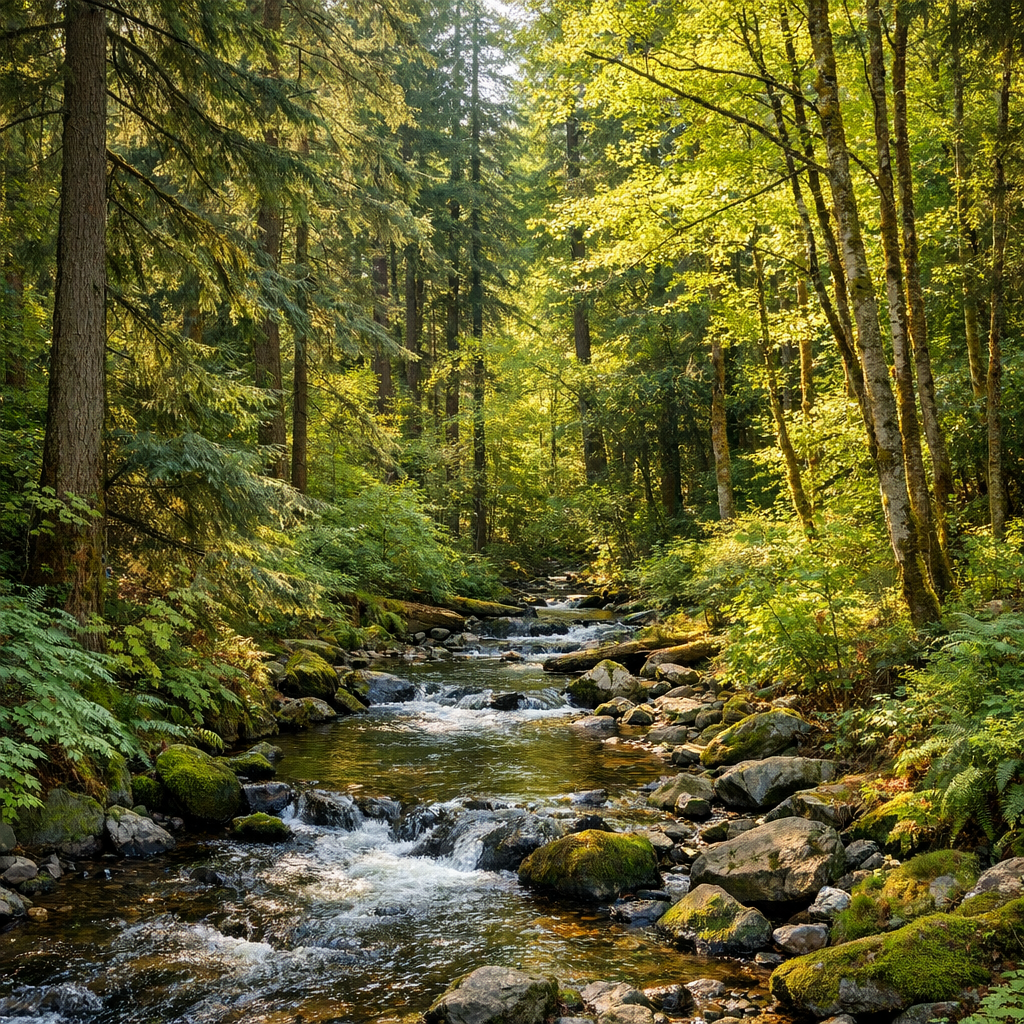
Bellevue is home to over 80 miles of streams and more than 800 acres of wetlands. These systems funnel rainwater into Lake Washington and Lake Sammamish—and they’re under increasing stress from runoff, pollution, and changes in precipitation. Runoff from impervious surfaces can carry pollutants directly into our waterways without treatment, which affects water quality and habitat for salmon and other species.
Keeping Waterways Healthy
- Only rain down the drain—avoid dumping yard waste, oils, or anything else into gutters or storm drains.
- Support wetland protection laws and habitat restoration projects.
- Report issues like pollution, flooding, or clogged drains via Bellevue’s utilities or app services.
Bellevue’s Plans & How Neighbors Can Be Part of It
The city has adopted the Sustainable Bellevue Plan 2026–2030 to cut greenhouse gas emissions, build climate resilience, and expand natural systems. It sets goals like reducing emissions 95% by 2050, raising tree canopy to 40%, and guiding development to reduce vehicle dependence. (City environmental strategy documents)
But policy and plans only go so far. Residents can join in: choose low-emission transportation, reduce waste, plant native species, and use energy wisely. Small steps add up. Together, Bellevue can stay livable, healthy, and beautiful—despite what the climate curveballs throw our way.