

By Ava Washington
Urgent Warnings from the Science
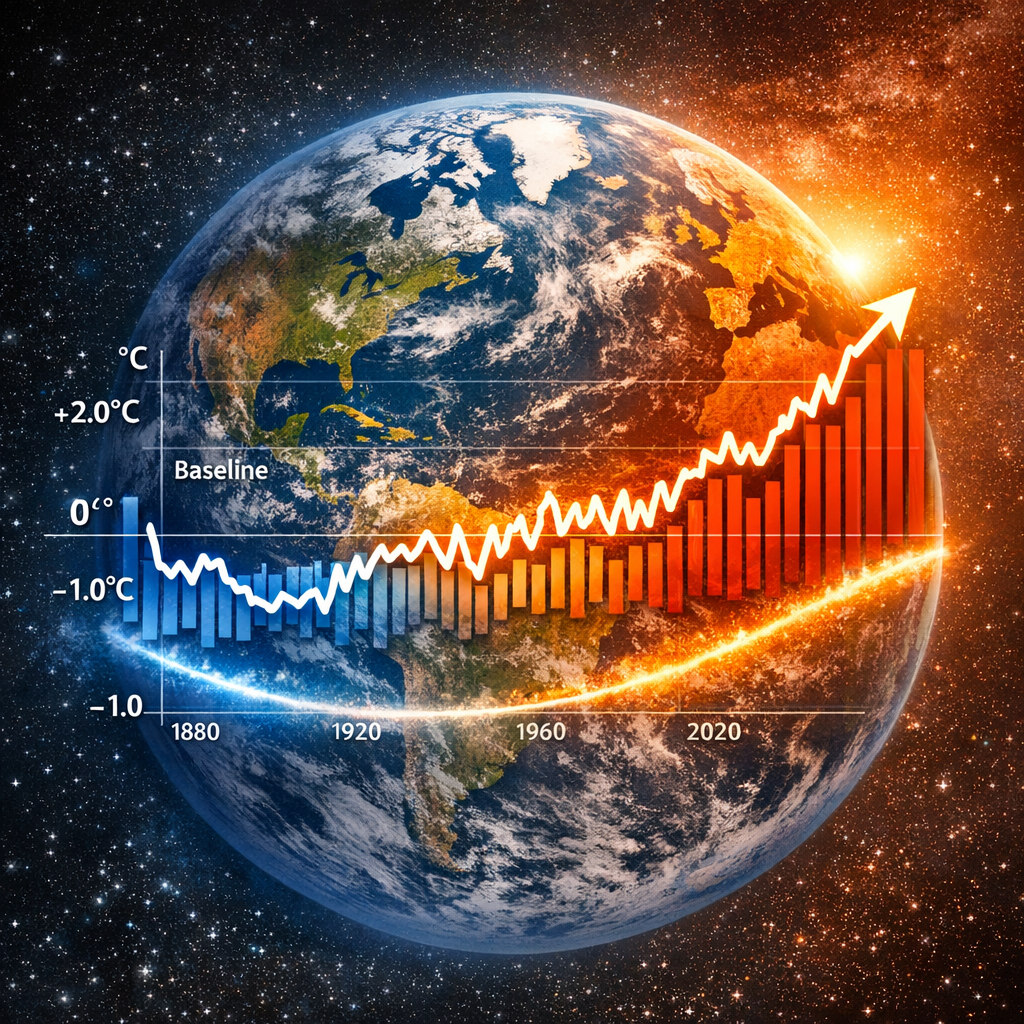
Earth is facing strong indicators that global warming will soon surpass 1.5°C above pre-industrial levels, an important threshold agreed on in 2015. These warnings come from multiple reports by United Nations agencies and scientific panels, which say we have an increasing chance that this limit will be breached before 2030. The next few years are projected to bring record high temperatures, significantly increasing climate risks around the world.
What the Warming Means on the Ground
This rise in heat isn’t just numbers—it’s already reshaping lives and landscapes. We’re seeing more powerful floods in mountainous areas like Nepal, and small island nations are facing coral die-offs, threatened fresh water, and rising seas. Polluted air, food shortages, and extreme weather pose serious risks, especially for marginalized communities with fewer resources to adapt.
The Struggle Over Responsibility and Aid
Many countries least responsible for carbon emissions are paying the highest price. Those nations are seeking financial support from wealthier states and global institutions to help with adaptation and recovery, especially after disasters. But geopolitical dynamics, funding bottlenecks, and competing priorities are making progress slow. Meanwhile, fossil fuel emissions continue at levels that reduce any remaining margin for keeping warming under 2°C.
What’s Possible—and What Needs to Happen
Cutting emissions rapidly is essential. That means shifting away from coal, oil, and gas while boosting renewable energy, improving infrastructure, and protecting nature. Equally important are the ways we build resilience—like stronger flood defenses and better support systems for displaced communities. Accountability, funding transparency, and global solidarity will be crucial. Citizens, local governments—even us in Bellevue—can push for changes. Small investments, policy advocacy, and demanding clean energy leadership all matter.
Looking Ahead
The coming years will test whether global promises turn into real action. We will face difficult decisions about justice, resource priorities, and how we care for each other across borders. What happens now won’t just shape the environment—it will define what type of civilization we’re choosing to build. Our shared future depends on whether we rise to meet this turning point, with urgency, equity, and resolve.