

By Mia Cooper
When “home” evolves—what I’ve noticed in Bellevue
Moving here over a decade ago, I felt welcome from day one. The tree-lined streets, little coffee shops, and nearby trails were the backdrop for friendships and routines. But as I’ve watched Bellevue grow—housing density rising, traffic shifting, safety conversations changing—I’ve also seen what makes a place more than just a collection of buildings: the everyday ways people connect and care.
Spaces that shape connection
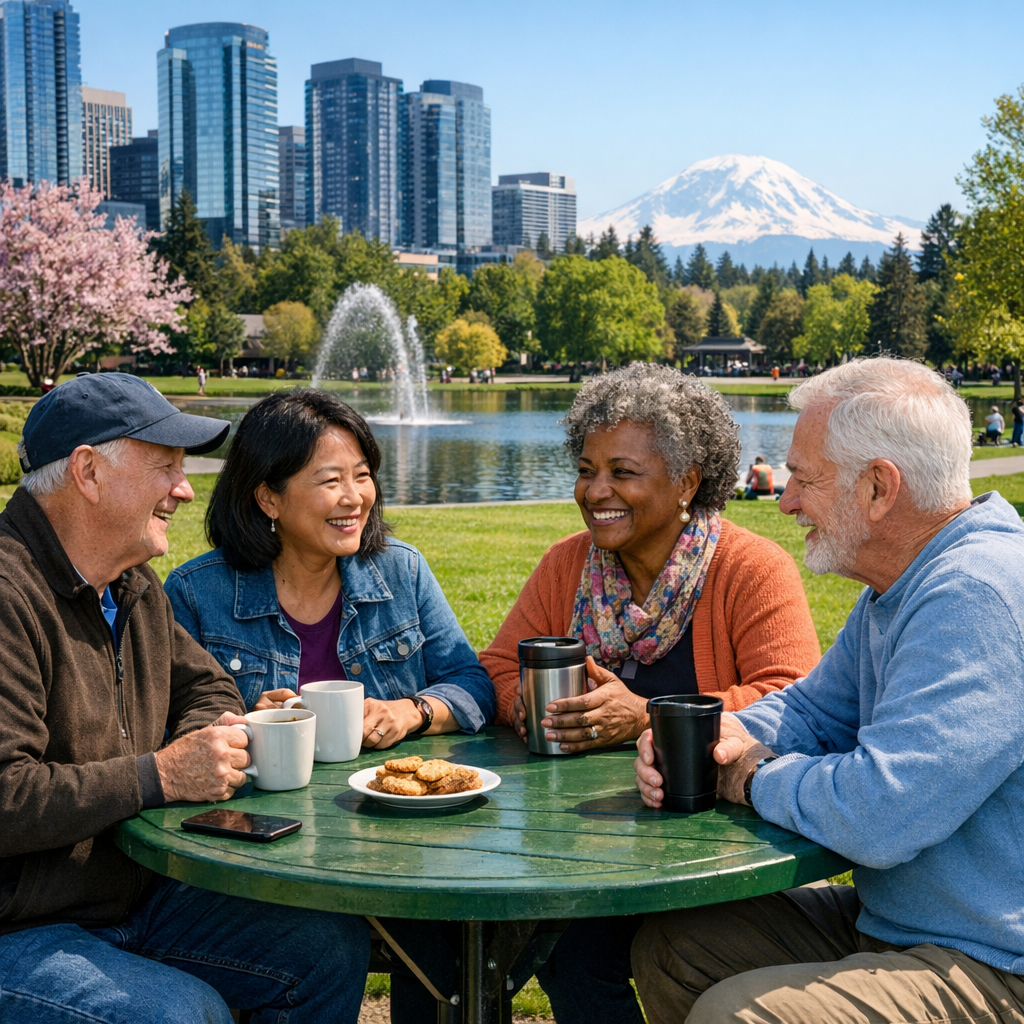
Parks, community gardens, and local cafés aren’t just amenities: they’re gathering places. Bellevue Parks & Community Services manages over 2,500 acres of parks and open space, including trails and gardens, giving people room to breathe and to meet. Bellevue Botanical Garden, in particular, feels like a quiet sanctuary to meet neighbors while the city hums just beyond the trees. These places matter more than ever when homes grow closer together and yards get smaller. Residents I’ve talked with say having even one reliable green space nearby—the trail, the garden, or the little pocket park—changes how they feel about where they live.
The power of voice and participation
Being heard shifts how we see ourselves here. The City has launched surveys and listening sessions to clarify values, improve communication, and involve residents in decisions about Bellevue’s identity and growth. Whether through the “Engaging Bellevue” platform, community input on housing, or feedback on sustainability goals, people are exploring what it means to belong. In a survey covering hundreds of voters, notions of smart growth and maintaining Bellevue’s character appeared repeatedly—indicating both care and concern. Many long-term residents say the city is better than it was—but some wonder whether rising cost and rapid change are making parts of Bellevue feel less theirs.
Challenges that impact belonging
Change doesn’t come easy. Rising housing costs, commuting congestion, and the growing gap between old memories and new developments can make people nostalgic, even feel left out. Some longtime residents miss neighborhood rhythm—knowing your barista or sharing stories at block parties. Newcomers often observe a tension: appreciation for Bellevue’s amenities alongside frustration at access—whether that’s affordable housing or traffic relief.
What can strengthen our sense of belonging?
- Support neighborhood-driven projects: volunteer in local gardens, join community boards, or help with youth events. These build ties one person at a time.
- Encourage mixed-use, thoughtful growth: homes, businesses, transit that fit together—so growth isn’t just density, but connection.
- Protect and design public spaces for everyone: parks, sidewalks, greenways should be welcoming, accessible across ages, abilities, and cultures.
- Keep voices alive: when cities host surveys, forums, or listening sessions, make participation easy—different languages, different ways of speaking—and commit to follow-through.
Closing reflections
Bellevue is changing. It’s bustling with energy, with ambition, and with people who care deeply. What makes it home isn’t the skyline or the tech, but the ways we look out for one another; the small surprises in daily life; the chance to see someone you’ve known through different versions of Bellevue, and the hope of growing together. Belonging isn’t given—it’s built, through our choices, our voices, our spaces, and our openness to each other.