

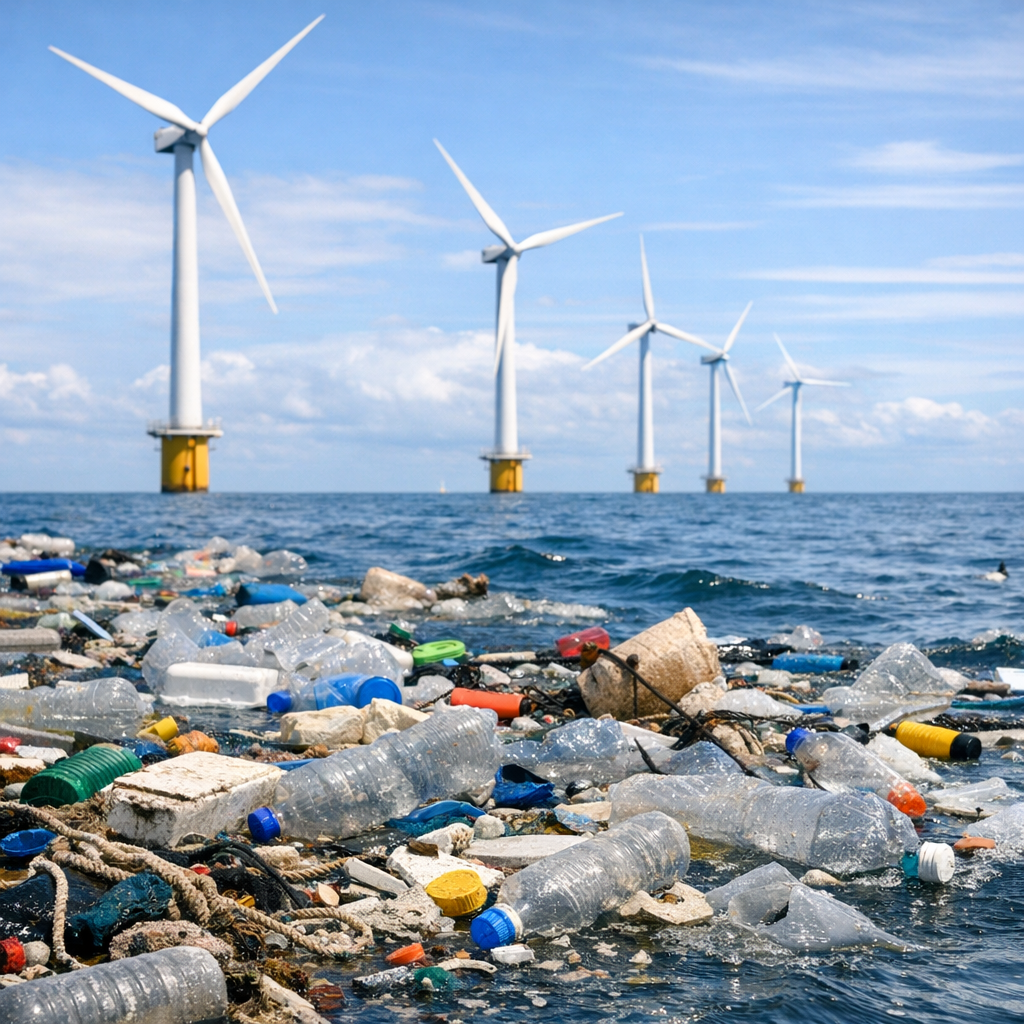
Plastic Pollution: A Global Crisis, Transformative Solutions
Plastic pollution continues to pose one of the most urgent environmental challenges. The current trajectory suggests global plastic waste could nearly triple by 2060 unless the world makes sweeping policy and production changes. Key efforts now focus on shifting from “take-make-dispose” models toward circular systems emphasizing reuse, reduction, and innovation.
Major global frameworks are now aligning: the United Nations is negotiating a legally binding treaty to address plastics through production, usage, and waste management; the OECD offers policy roadmaps; and organizations like UNEP and UNDP are working locally and internationally to implement best practices. Those measures include extended producer responsibility laws, bans on problematic single-use plastics, and finance mechanisms to support infrastructure development.
What’s Sustainable Change Look Like?
- Plastic packaging reuse systems and refill models
- Stricter regulations for plastic additives harmful to health
- Investment in waste collection, recycling, and public awareness campaigns
- Prioritizing funding to reduce plastic demand alongside clean-up efforts
Climate Migration: Emerging Rights and Policy Gaps
Though the term “climate refugee” lacks recognition in international law, more nations are exploring legal pathways to protect people displaced by environmental changes. Climate stressors often compound economic, security, or health challenges—and migration driven by such stress is increasing globally.
Recent policy innovations include climate-responsive visas, regional migration pacts, and frameworks that integrate environmental risk into migration planning. At the same time, international institutions are grappling with how to expand protection without legal consensus on climate-asylum rights.
Policy Levers in Play</
- National and regional migration systems recognizing climate impacts in their criteria
- Disaster risk reduction and climate adaptation efforts aimed at preventing displacement
- Multilateral cooperation via bodies like the UN or IOM to build legal and fiscal tools
- Support for vulnerable communities to build resilience locally
Clean Energy Growth: A Turning Point
Clean energy deployment is accelerating. In recent years, renewables added hundreds of gigawatts in capacity, with solar PV leading the way. Wind power, hydropower, bioenergy and other clean sources follow, but the most dramatic gains are in solar installations.
By one recent measure, renewables crossed 30% of global electricity generation and are climbing toward targets that experts argue are necessary for limiting climate warming. Energy security, cost declines, and climate policies combined are driving this shift in many nations. These trends affect not only large emitters but many middle- and lower-income countries now leapfrogging older fossil-fuel systems.
Challenges and Opportunities Ahead
- Grid and transmission upgrades to integrate variable solar and wind power
- Ensuring investment equity: clean energy tools must be affordable globally
- Managing demand growth caused by electrification of transport, industry, and homes
- Strengthening policy certainty so investors can support clean energy sectors
In Bellevue, as elsewhere, these global developments matter: whether through our choices about waste, how we welcome climate-affected newcomers, or where our power comes from. They affect local health, equity, infrastructure—and the future we share across borders.