

By Ava Washington
Across continents, the tides of forced migration and international diplomacy are shifting. Two related trends stand out lately: while displacement due to war, persecution, and violence has dropped, the return of refugees and internally displaced people comes with enormous challenges. Meanwhile, the machinery of global climate diplomacy is undergoing renewal— becoming less about big summits and more about coalitions, practical outcomes, and national resilience.
Refugees, Returns, and Reality
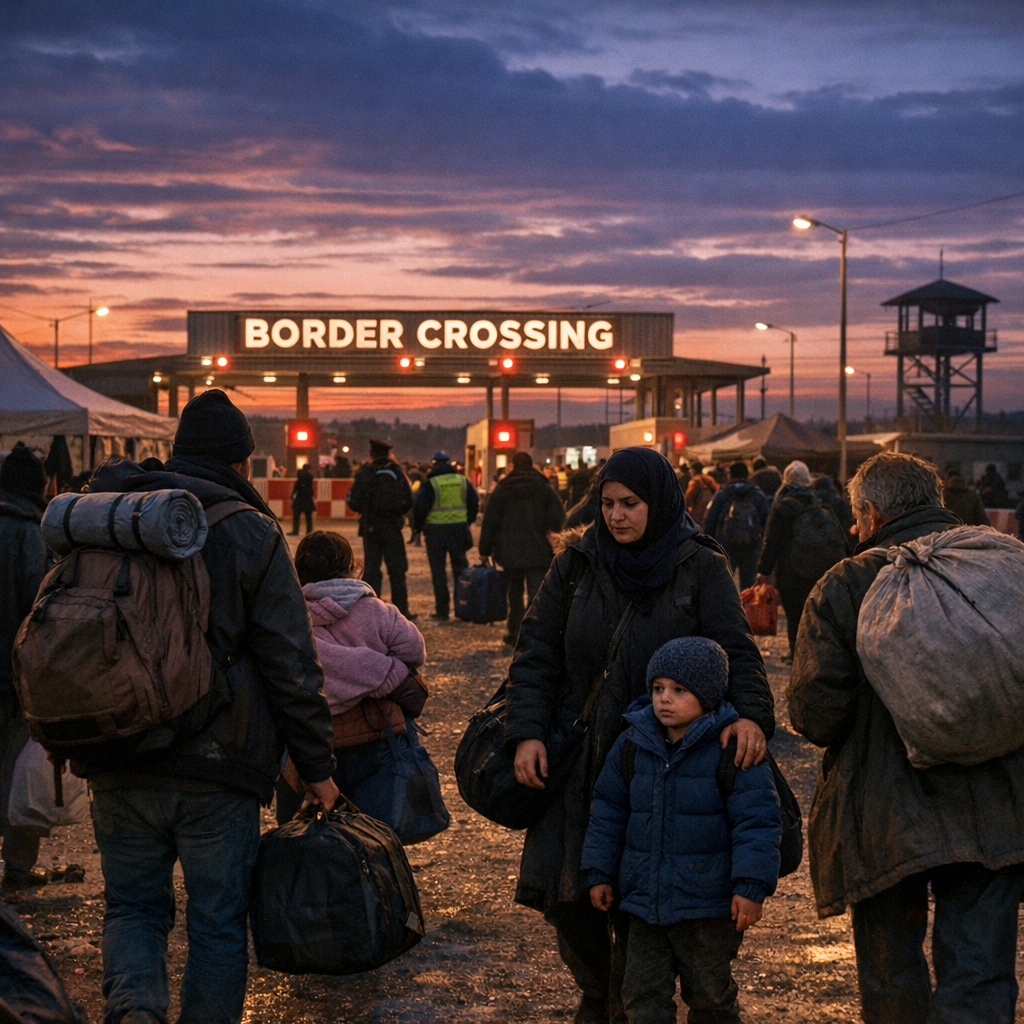
The United Nations reported that by the end of 2025, there were about 41.6 million refugees globally under its mandate or in refugee-like situations, plus 9 million asylum-seekers awaiting decisions on their claims. At the same time, roughly 68.7 million people were displaced within their own countries, known as internally displaced persons (IDPs).�
These numbers reflect a modest drop in forced displacement overall—about 3 percent from the year before. Much of that decline resulted from returns of refugees and IDPs in regions such as Afghanistan, Syria, and Sudan. Yet many who have returned face inhospitable conditions, with damaged infrastructure, limited economic opportunity, and lingering insecurity.�
Evolving Climate Diplomacy
On another front, climate diplomacy is showing signs of adaptation. The traditional model—where global leaders gather once a year at COP summits to negotiate big deals—is under pressure. Some experts now argue that formal multilateralism is stretched thin.�
Instead, initiatives are emerging that focus on implementation: coalitions of nations, businesses, cities, and civil society groups are collaborating to deliver concrete results like energy security, resilience, and industrial transformation. The Paris Agreement’s Implementation and Compliance Committee has seen growing engagement: more nations submitting updated climate action plans and transparency reports, though several still lag behind.�
Why It Matters for Everyone
For Bellevue and places like ours, these global shifts aren’t just distant headlines. They influence migration patterns and refugee resettlement policies—decisions that affect schools, services, and communities. Climate diplomacy’s move toward action-based coalitions may open doors for global innovation, clean energy investment, and shared technology transfer.
Here in Washington state, understanding these trends helps us consider how we respond—through local support for displaced people, thoughtful immigration policy, and environmental leadership. It’s a reminder that what happens thousands of miles away often echoes in our own neighborhoods.