

By Ava Washington
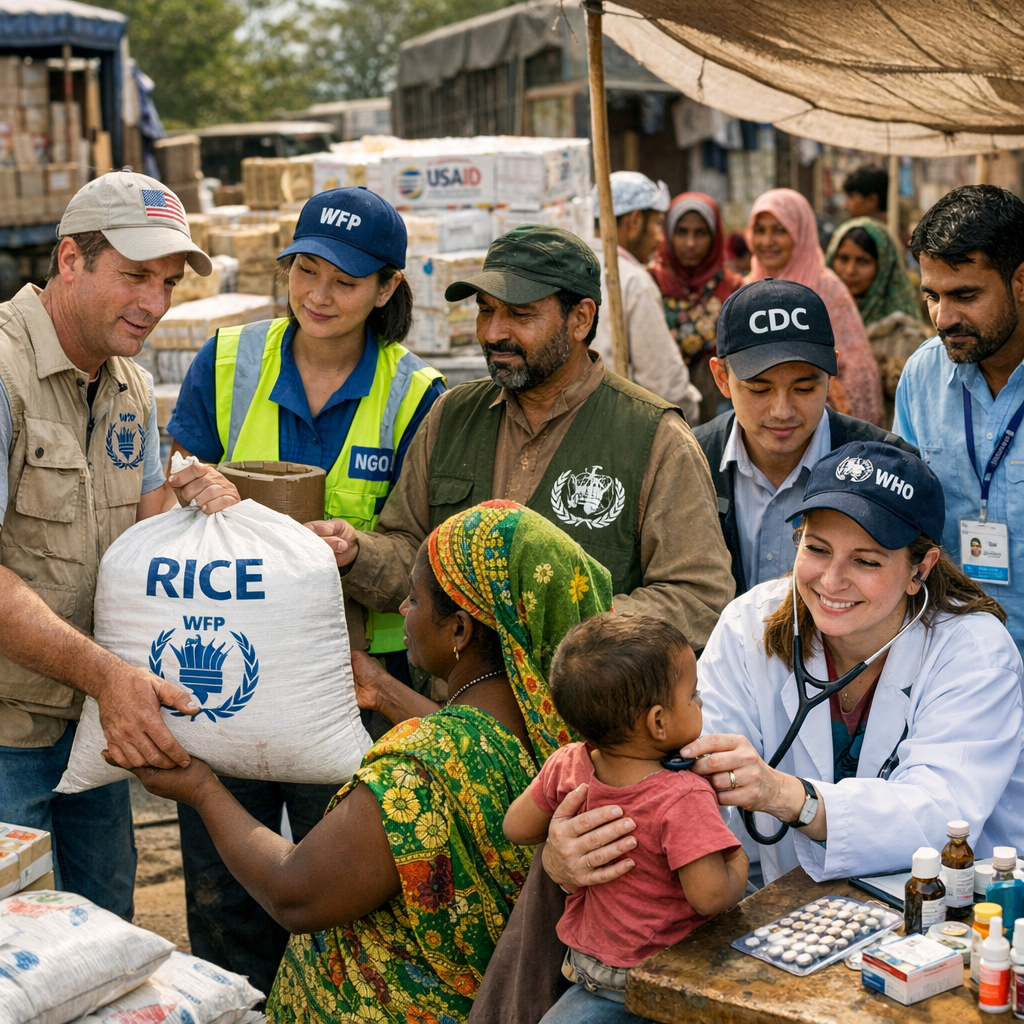
In today’s interconnected world, crises in food security and disease outbreak preparedness are not isolated issues—they are entwined challenges demanding global cooperation. From fragile supply chains disrupted by war to newly forged international agreements, major global developments are reshaping how the world prepares for hunger and pandemics.
The Evolving Food Security Landscape
Recent reports from UN agencies show that while global hunger eased slightly in the past year, progress is inconsistent—and for many regions, especially in Africa, the situation is worsening. About 7.8% of the global population remains hungry, and diet quality continues to lag behind healthy standards. Rural communities, women, and young children face greater risks when food is scarce or prices surge.
Meanwhile, agricultural commodity prices have risen, in part due to conflicts and climate-related disruptions.
Multiple forces converge to heighten food risk:
- Conflict disrupts farming, markets and access to aid, especially in the Middle East, East Africa, and parts of Asia.
- Climate shocks destroy farmland and harvests—droughts, heatwaves, and unpredictable rain impact both yield and farmer income.
- Economic stress, including inflation, limited investment, and global market volatility, makes healthy food unaffordable for billions.
Strengthening Global Pandemic Preparedness
The world is also trying to turn lessons from the COVID-19 crisis into stronger defenses against future health threats. Key recent advances include:
- Adoption of the WHO Pandemic Agreement, aimed at improving prevention, coordination, and equity in responding to outbreaks.
- Revisions to existing health regulations, including approved amendments to the International Health Regulations to reinforce national readiness.
- Major investment in research roadmaps for priority pathogen families—viral and bacterial—through WHO collaborative networks working on diagnostics, treatments, surveillance, and vaccine development.
- Support for low- and middle-income countries through funding mechanisms like the Pandemic Fund, paired with initiatives to expand local vaccine manufacturing and One Health strategies (which link human, animal, and environmental health).
Connecting the Dots: Where Food Insecurity Meets Disease Risk
Food shortages and disease outbreaks often reinforce each other. Malnutrition weakens immune systems, making populations more vulnerable to infections. Poor infrastructure—especially in regions hit by conflict or climate disaster—hampers both food delivery and health system response. Displacement driven by hunger can lead to crowding, lowering sanitation and increasing the spread of infectious disease.
Steps Toward Sustainable Resilience
To address these global threats, experts recommend a few strategic directions:
- Policy alignment – National and international policies should interlock food security, climate adaptation, and public health planning.
- Investing in local capability – Strengthening agriculture, supply chains, and health systems domestically—especially in vulnerable regions—can reduce reliance on external aid.
- Science and surveillance – Early warning systems, pathogen research, and real-time monitoring of both food markets and disease outbreaks are crucial.
- Global cooperation – Treaties and funding mechanisms work best when commitments are shared, transparent, and include marginalized communities.
Facing complexities of today—war, climate change, economic shocks, and fragile health systems—requires more than reacting. It demands resilient systems and sustained commitment. When governments, institutions, scientists, and communities all act with foresight, the world steps closer to safeguarding both nourishment and health.