

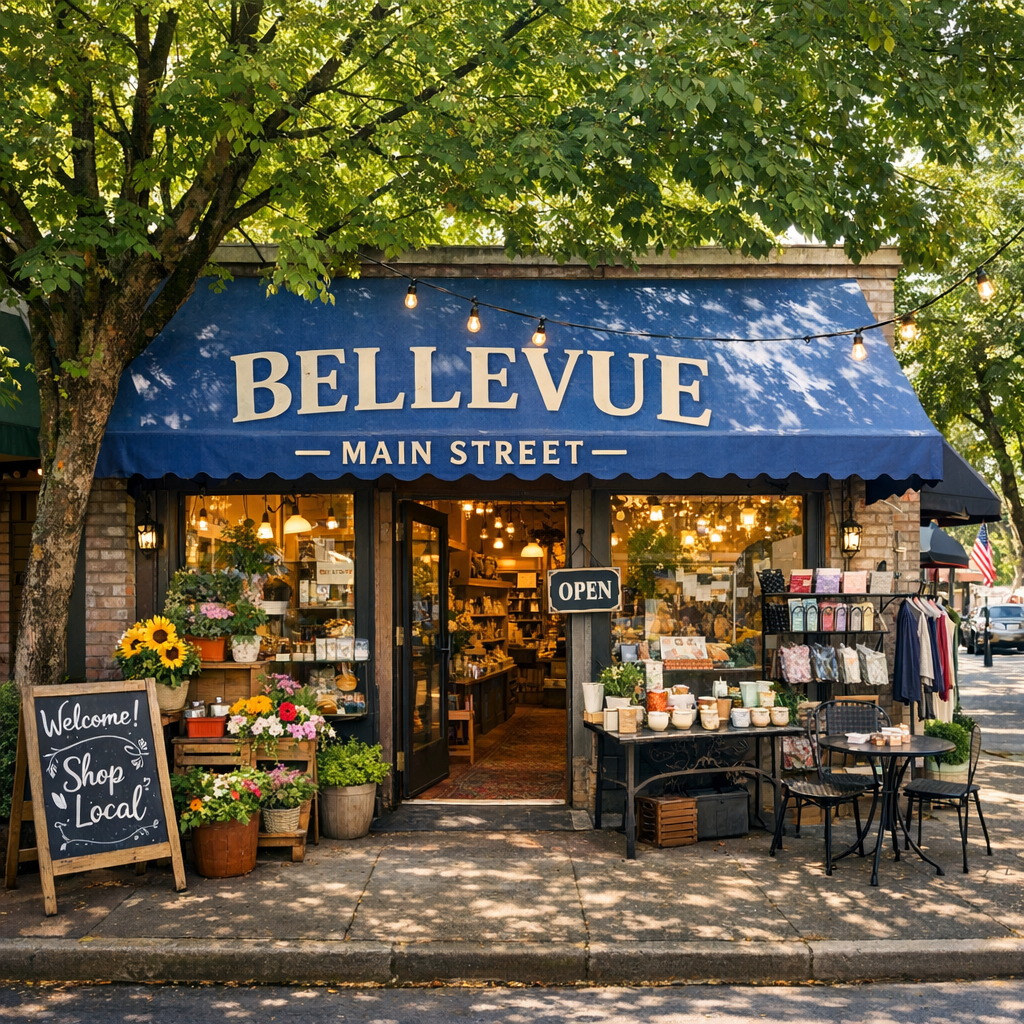
Bellevue’s economy is at a tipping point: major corporations define its skyline, but small businesses, retail districts, and emerging sectors will shape its future. For anyone interested in business & economy, now’s the moment to understand where opportunity lies — and how the city is aligning strategies to make growth more inclusive, resilient, and locally grounded.
What the Data Tells Us
A recently released city business survey shows strong confidence: over 70% of firms say Bellevue is headed in the right direction, and roughly 85% believe it’s a better place to do business compared with other Puget Sound cities. Most businesses also say they’d recommend Bellevue to others looking to start or expand operations. These findings help guide policies and resource allocation.
The city’s Retail Study — carried out in 2023 — found Bellevue doing well overall in retail performance. It also noted increased competition, gaps in certain types of general merchandise retail, and projected demand for millions of additional square feet of retail space by 2044. Retail provides more than 13,000 jobs locally.
To stay competitive, Bellevue is aiming to diversify its economic base. The 2026 Economic Development Plan update highlights opportunities in sectors like artificial intelligence, life sciences, and climate tech, while also recommitting to business retention and helping existing employers expand.
Key Supports for Entrepreneurs and Small Business
- Startup425 connects founders across Bellevue and surrounding Eastside cities, offering workshops, events, coworking days, and networking essential for early-stage businesses.
- Annual Business Survey + Retention Visits: These help city staff understand what business owners are experiencing — things like regulatory hurdles, staffing or office space concerns — and respond with targeted supports.
- Local policy levers: Bellevue has been refining tax, zoning, permitting and infrastructure tools to ease the path for small firms, especially in its older districts and under-utilized areas where new life can be breathed into existing spaces.
Where Challenges Linger
Even with strengths, there are friction points. Some businesses cite costs of real estate and labor, and concern over maintaining customer traffic, especially ground-floor retail when office utilization dips. Ensuring affordability, ease of permitting, and adapting to shifting work patterns (remote, hybrid, in-office) are recurring themes in feedback.
Another tension: balancing large-scale development with preserving the character and niches that make neighborhoods distinct. Bellevue needs both — anchor industries for economic strength, and local-serving businesses that knit community together.
Paths Ahead: Priorities Bellevue Can Strengthen
To sustain momentum and broad-based prosperity, Bellevue appears to be focusing on three key directions:
- Economic Diversity: Encouraging growth not just in tech giants, but in life sciences, sustainability-focused enterprises, and creative sectors. More diversified economies are less vulnerable to downturns.
- Supporting Existing Businesses: Retention programs, technical assistance (marketing, permitting, workforce), and policies aligned with small business needs — especially in affordability and zoning — can help owners stay and grow.
- Building Distinct Retail and Neighborhood Identities: Clear district planning and support for niche retail helps Bellevue’s neighborhoods thrive economically and culturally. Local flavor matters — from Old Bellevue storefronts to mixed-use hubs like Spring District.
For entrepreneurs, business owners, and citizens interested in Bellevue’s economic story, the pieces are in place. What matters most now is implementation — making sure that promising data translates into lived success, not just for large employers, but for the full spectrum of Bellevue’s economy.