

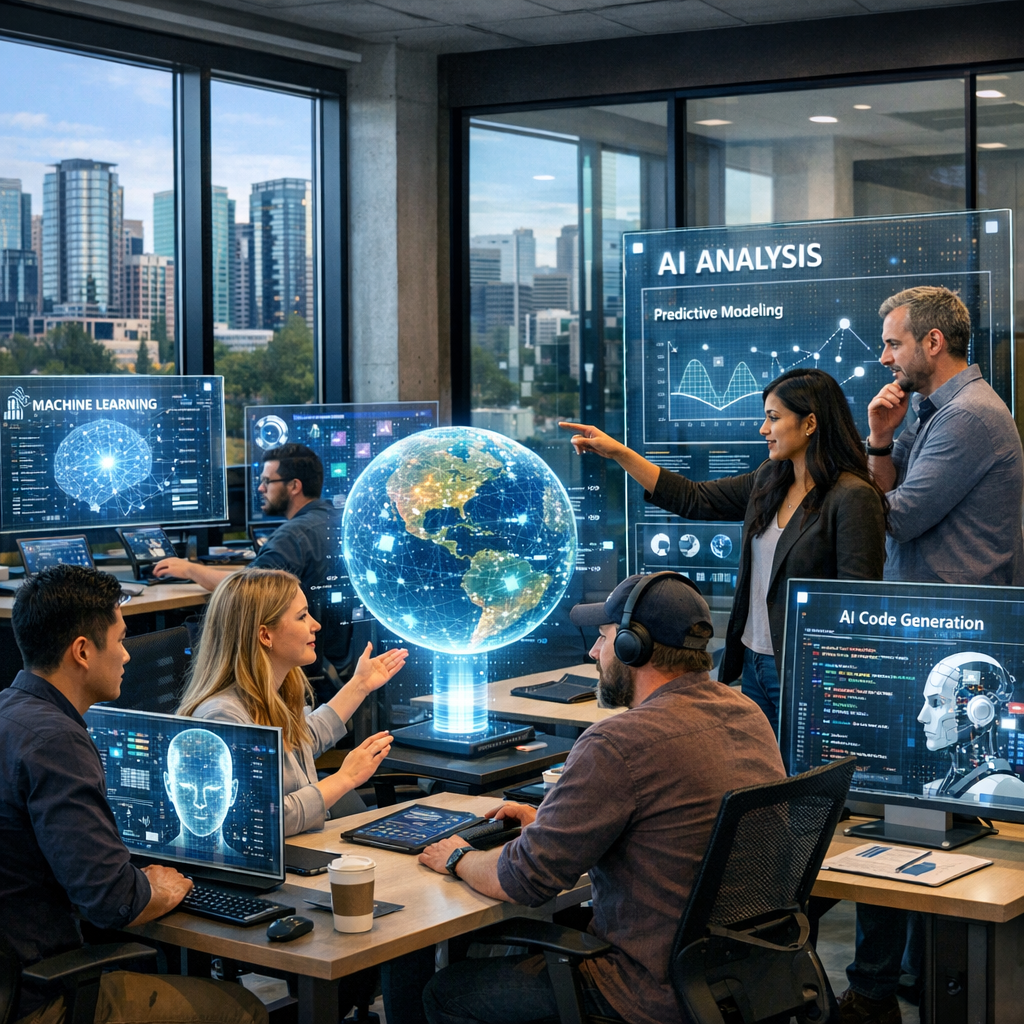
In Bellevue, Washington, technology is more than just big companies and shifting skylines—it’s woven into daily life in ways many of us barely notice. From education to transportation, these innovations promise to add convenience and safety, but they also raise important questions about equity, privacy, and what it means to stay human in a high-tech world.
AI in Bellevue Classrooms: Learning Meets Responsibility
Bellevue School District has embraced AI tools not just to streamline operations but to support students and teachers. Their “Human-Centered & Future-Ready” vision includes policies ensuring AI is used with care—tools must be approved, outputs reviewed, and people held responsible. Students are asked to disclose when they use AI for tasks like brainstorming or editing, with staff training to check for bias and misinformation. Adopting AI hasn’t just been about efficiency; it’s become a curriculum in digital citizenship.
Tech for Public Good: Startups and Local Innovation
Bellevue College is partnering with the City of Bellevue on pilots that put AI to work for all of us. One app, “FindIt,” helps people locate lost items on campus using image recognition. Another project attaches AI sensors to streetlights to monitor traffic flow, wait times, and pedestrian safety—data used to make streets safer and more efficient.
Gadgets That Feel Less Like Gadgets
Across the U.S., consumer tech trends have moved into quieter but more pervasive roles. Ambient AI—systems that assist without a screen—are growing more common. Smart glasses are edging from novelty to mainstream, devices are thinner, battery life is improving, and wearables now pull double duty tracking health and giving helpful feedback.
Everyday Experiences: What This Means for Bellevue Residents
Here are some ways these changes show up on the ground:
- Smart homes may respond to voice to adjust lighting or temperature, or lock doors—automation that may seem minor but reduces mental load.
- Students using AI tools in school might get more personalized support. Teachers with AI assistance have more bandwidth to engage with each student.
- Local services—from transportation to trash collection—can benefit when tools built with AI translate data into action: shorter wait times, safer crosswalks, better traffic signals.
- But that convenience comes with concerns: what data is collected, who has access, and how far are we able to opt out?
Looking Ahead: Balance, Transparency, and Equity
Bellevue’s experience suggests some guardrails worth keeping in mind. First, transparency—knowing when AI is in play and what it’s doing. Second, fairness—it’s not enough to build the tech; it must serve all residents fairly. Third, human judgment still matters: we need to teach, design, and regulate with people—not just tools—in mind. If Bellevue history tells us anything, it’s that innovation thrives when it’s rooted locally and built with purpose.
Bellevue is not simply adopting trends; it’s figuring out how they fit into our lives, our schools, and our streets. The result might be quieter, smarter, under-the-hood change—but when done right, it shapes everything.