

By Sophia Robinson
Bellevue is often in the spotlight for big tech offices and flashy launches. What’s less visible is how AI and startups are subtly reshaping everyday routines—for students, commuters, professionals, and families alike.
Startups in Bellevue: Solving Local Problems
Over the past few years, Bellevue has emerged as a strong hub for AI startups. More than 20 AI-focused companies in the city have raised over $1.3 billion in funding lately—most at the Seed or Series A stage. Top players include Union.ai, Viome, and Nintex, which are pushing innovation especially around enterprise software and health tech. Bellevue’s lack of state income tax and proximity to giants like Microsoft and Amazon make it easier for local founders to scale.
Everyday Tech Being Built—On Our Doorstep
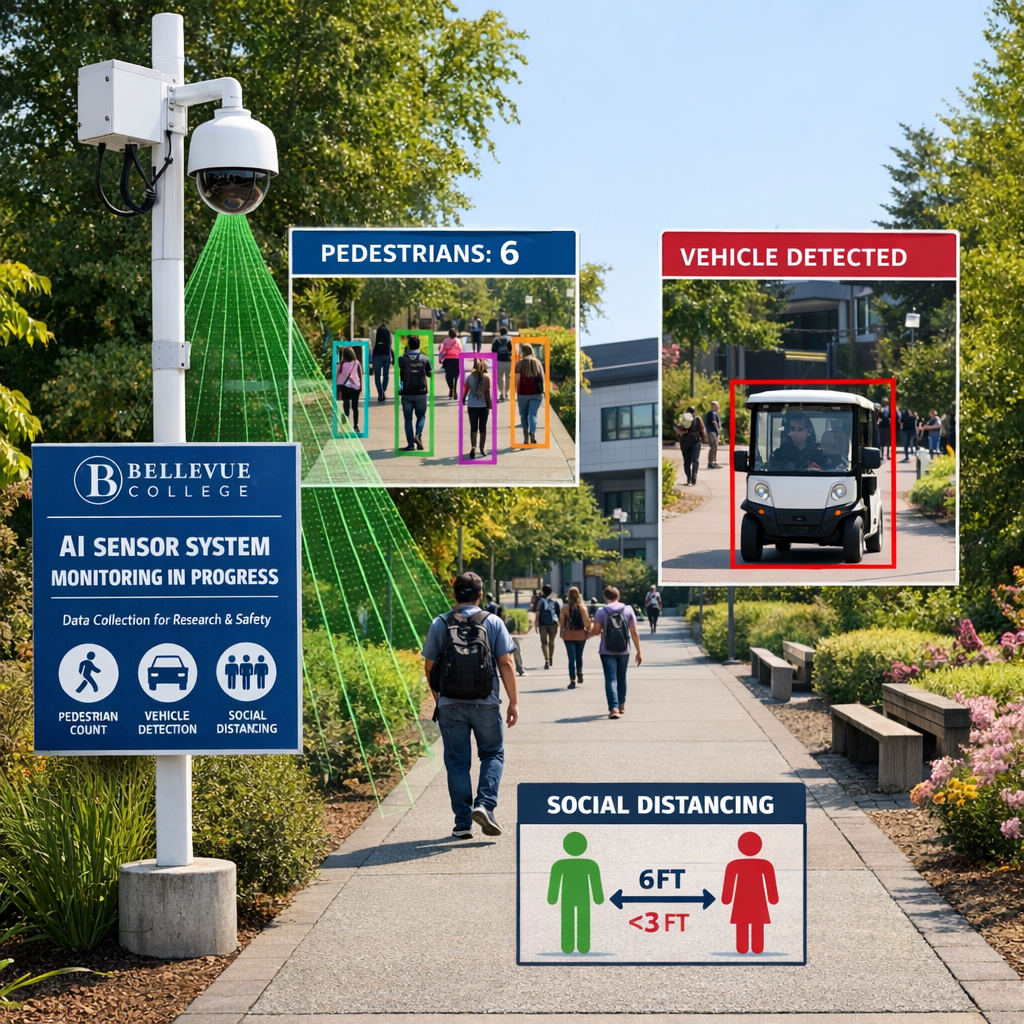
Bellevue College, partnering with the city, is testing tools that address campus and public needs. One is a “FindIt” app: people snap photos of found objects, AI generates descriptions, and others can search to reclaim what was lost. Another pilot uses AI sensors on light poles to monitor traffic flow and pedestrian safety—helping to reduce blind spots and hazards around transit areas.
How AI Is Already Changing Work and Routine
AI isn’t just for startups—it’s part of typical workdays now. A recent survey shows about half of U.S. adults interact with AI regularly. In the workplace, tools like summarization, translation, and idea generation are helping people save time—some report cutting one to two hours off weekly tasks thanks to AI assistance.
Even at home, AI is learning to be helpful behind the scenes. Whether through voice assistants that adjust lights, recommendation systems for streaming or shopping, or apps that help parents, it’s becoming common to let AI take on small tasks so people can focus on what matters.
Opportunities and Open Questions
One bright spot is civic tech: the Exchange Northwest, a new Bellevue initiative, aims to drive community collaboration and digital equity using AI, bringing residents and public institutions into the conversation.
On the other hand, there are cautious voices. People are wondering how much control they have over where AI is used—in public safety, on campuses, in homes—and how data privacy fits in. There’s also concern that overreliance could affect skills and decision-making later on.
Looking Ahead
In Bellevue, the path forward isn’t about flashy announcements—it’s about local fixes. Being smarter about traffic flows, streamlining lost and found, giving workers AI tools that genuinely help. As tech becomes more built into the urban fabric, it’s the part you don’t always see that ends up making life easier.