

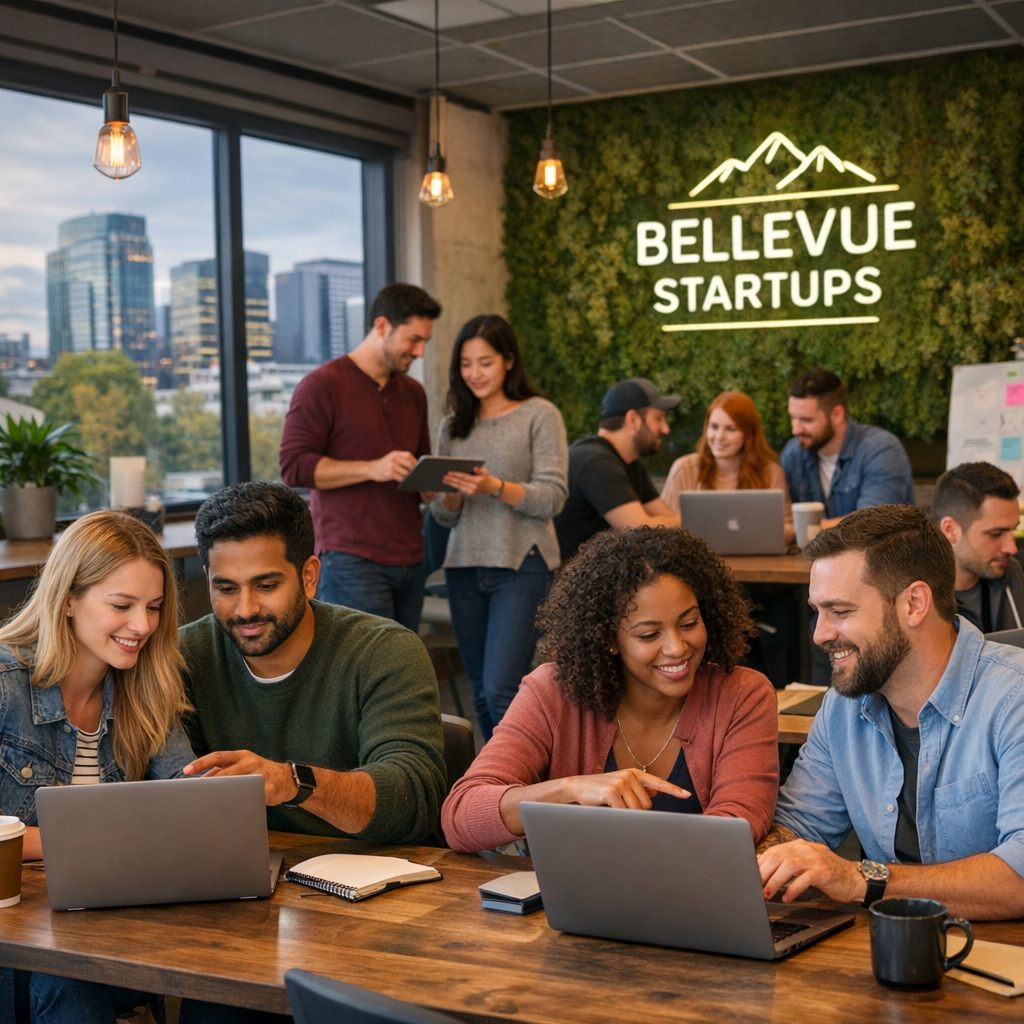
Living in Bellevue, we’re surrounded by tech—often without even noticing how deep it seeps into daily life. From startups creating tools we’ll all use soon, to gadgets quietly reworking routines at home and work, there’s a lot happening. Here’s a look at what’s going on under the surface.
The Hidden Startup Engine
Bellevue is becoming a strong hub for AI startups—there are dozens already, many in early to mid stages, that tackle everything from healthcare to computer vision. One region-wide ranking puts more than twenty Bellevue AI companies at various stages, with leaders such as Union.ai, Viome, and Nintex pulling ahead in funding and momentum. Founders here are building tools that may not grab headlines yet, but are laying groundwork for how we’ll work and live in the future.
Machine learning companies like TruEra are focused on making AI more trustworthy, reducing bias, and improving explainability—particularly as more services lean heavily on algorithmic decision-making. Healthcare AI startups are building platforms for remote diagnostics, mental health screening, and better data pipelines for clinical ops. These innovations mean that in Bellevue, new enterprises are pushing for AI that doesn’t just compute, but aligns with values like privacy, fairness, and accessibility.
Gadgets That We’re Actually Using
While exciting breakthroughs happen in startup labs, many people’s closest interactions with tech are through gadgets at home or in pockets. Smart home automation is crossing the threshold: robot vacuums, smart plugs, and adaptive thermostats are increasingly common — one in four U.S. households now have robot vacuums or mops, and many bring in automation to reduce small chores.
Wearables too are evolving: fitness trackers and smartwatches are picking up new kinds of insights — not just step counts, but sleep patterns, heart health, and stress markers. These devices are starting to anticipate rather than just track: nudging when to walk, when to rest, or when to disconnect. And our phones? They continue being the central nervous system—organizing calendars, ordering necessities, and translating voices across languages in real time.
Everyday Impacts: Work, Home, and Community
Remote work, hybrid work, and side hustles have become normalized in Bellevue, in large part due to tools built by local AI-led startups. Platforms that help automate repetitive tasks, summarize meetings, or streamline project workflows are no longer optional add-ons—they’re essentials. Even small businesses here are using AI tools to send personalized customer messages, manage inventory, or analyze survey feedback. The ripple effect: our professional lives are increasingly about orchestrating technology rather than just using it.
On the home front, tech changes our relationships, consumption, and personal boundaries. When appliances talk, when homes adapt to our presence, when we consult AI for health hints—it shifts expectations. But there’s tension too. More automation or gadget interaction means more data collected. Residents increasingly care about device security, repairability, compatibility, and whether gadgets will be supported long term.
Finally, in terms of community and civic life, Bellevue’s soaring interest in AI has made way for meetups and collaborative spaces: “Claude Builders Bellevue,” Google Developer Group Bellevue, and Seattle Data, AI & Security meetups provide places for both casual builders and professionals to share ideas, network, and experiment. These groups keep innovation grounded in people rather than just code.
Looking Forward: Careful Tech with Us in Mind
If there’s one thing this moment teaches us, it’s that technology’s impact depends on intention. As Bellevue entrepreneurs push AI from lab to shop to home, choices around transparency, ethics, and access will matter more than features or speed. Gadgets need to be more than flashy: we want durability, privacy, and designs that work for all kinds of people.
We also need to remember that tech can be a tool for connection or disconnection. Mindful use—knowing when to step away from screens, when to enable or disable automation—will help ensure gadgets and AI enhance life rather than dominate it.