

By Michael Carter
Bellevue’s Climate in Brief
Bellevue lies in the Pacific Northwest’s maritime-influenced climate zone, with four distinct seasons. Winters are cool and wet, summers typically warm and dry. Daytime highs in summer reach the mid-70s°F, while winters hover in the mid-40s to low 50s. Snow is rare and usually light. Rain dominates from fall through spring, with a dry spell in summer that’s valued by outdoor lovers. These patterns sustain a lush landscape of forests, wetlands, and abundant wildlife.
Shifts in Temperature and Rainfall: What We’re Seeing
While Bellevue’s climate has long featured mild winters and moderate summers, subtle but measurable changes are underway. Climate data confirms average annual temperature has risen by roughly 1.4°C since 1940. Because winters are warming more than summers, frost days are becoming less frequent, and the snow season has shortened.
Meanwhile, precipitation patterns are shifting too. Winters still bring most of the rain, but heavy precipitation events—offering both seasonal rain and occasional flash flooding—are increasing. Bellevue’s long-term planning identifies extreme precipitation and changing stream flows as growing risks to aquatic habitat and stormwater systems.
Why Bellevue’s Natural Systems Matter—Today and Tomorrow
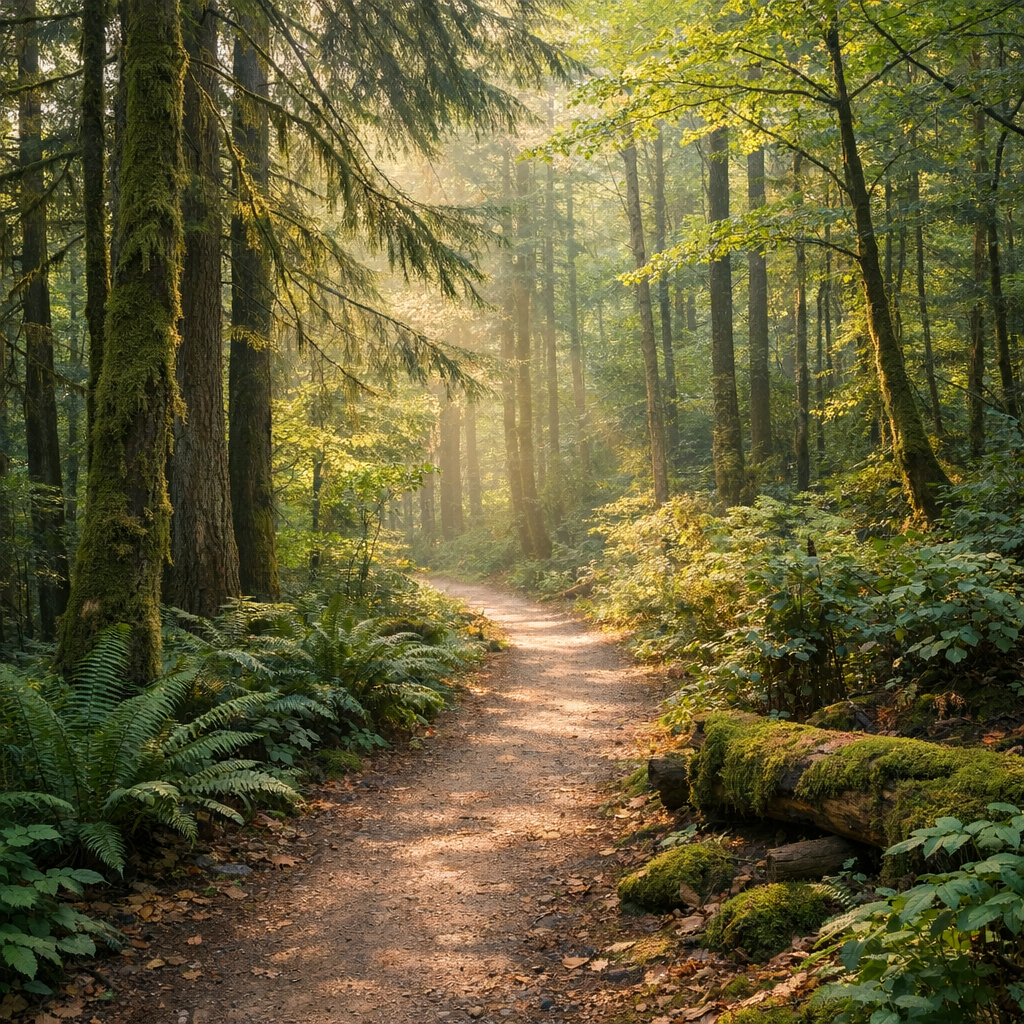
Our forests, wetlands, and open spaces do more than offer scenic beauty—they clean our air, absorb carbon, store rain, cool neighborhoods, and protect local streams and lakes. Bellevue’s “tree canopy cover” provides critical benefits, but it varies across neighborhoods. Dense canopy areas, such as Bridle Trails, help offset heat and pollution, while urban areas like downtown tend to have lower tree cover—making them more vulnerable to heat and air quality issues.
Particularly during wildfire seasons—both locally and regionally—smoke can drift into Bellevue, degrading air quality. Other contributors like traffic, construction, and seasonal pollen compound the effects. The city issues advisories and encourages residents with respiratory sensitivities to monitor the Air Quality Index (AQI) when outdoor activities coincide with poor air readings.
Actions In Motion—How Bellevue Is Responding
The city’s Sustainable Bellevue Plan for 2026-2030 sets ambitious goals to protect natural systems, reduce greenhouse gas emissions, and build resilience. Key strategies include improving stormwater design to reduce runoff, expanding tree planting in heat-vulnerable parts of the city, and phasing out gas-powered yard equipment to cut emissions and noise.
Programs like Stewardship Saturdays invite residents to take part in habitat restoration, trail maintenance, and native planting. Nature centers like Mercer Slough, Lewis Creek, and Lake Hills Greenbelt offer education and hands-on opportunities that deepen understanding of our natural surroundings.
What You Can Do Locally
- Support or volunteer with local stewardship events or environmental programs to improve green spaces and habitat health.
- Plant native, drought-resistant species in your yard to lower water use and support local ecosystems.
- Check AQI especially during wildfire season; avoid outdoor exertion when air quality is poor.
- Consider landscaping, roof, and pavement choices that reduce runoff and contribute to cooler surroundings.
- Advocate for tree canopy protection in your neighborhood to safeguard both air quality and urban cooling.
Looking Ahead
Bellevue is fortunate in its natural gifts—forests, water, stable temperatures, and moderate seasons. But as climate shifts reshape rainfall, temperatures, and the threat of wildfire impacts, what we do now will determine how well the city adapts. By staying informed, supporting policies that protect natural systems, and acting locally, Bellevue can remain a place where people and nature thrive together for generations.