

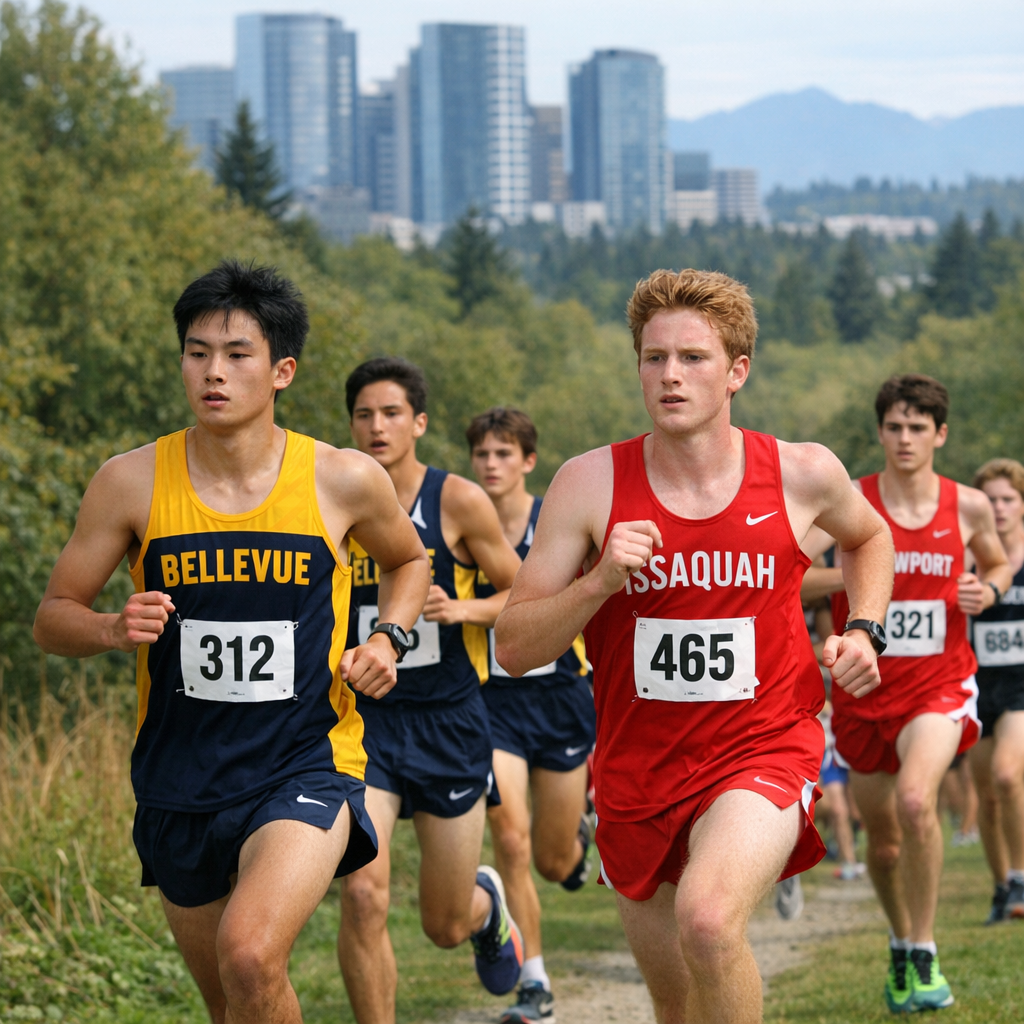
As sports fans in Bellevue, we often cheer on local high school teams without recognizing how our community is part of long-term shifts sweeping across the country. From what students play to how fans engage, Bellevue’s athletics scene offers a microcosm of broader national trends:
Rising Participation—Especially Among Teens
According to recent data, most sports categories—team, individual, indoor, outdoor—are seeing growth in U.S. participation. Nine out of ten segments tracked by a major sporting goods organization showed gains over the past year. These numbers suggest more young people are choosing to stay active through school sports and extracurricular athletics.
Here in Bellevue, the Bellevue School District supports dozens of sports across all seasons. Bellevue High, Interlake, Newport, and Sammamish high schools each offer a full slate of fall, winter, and spring programs, from football and cross-country to water polo and volleyball. Registration for 2026-2027 is open, following typical academic eligibility requirements.
Technology Is Changing The Fan & Athlete Experience
Nationally, teams are investing more in digital tools—AI, streaming, data analytics—to connect with fans year-round, not just on game days. Whether it’s personalized content, real-time stats, or virtual watch parties, the way we consume sports is evolving fast.
Locally, Bellevue High and the Bellevue School District use platforms like HUDL.com and Pixellot.com to record athletic events. Fans purchase tickets through online systems, schedules and rosters are posted digitally, and school media organizations share highlights for those who can’t make it to the game.
Equity, Access, and the Role of Non-Traditional Sports
There’s growing awareness of equity in youth sports—making sure girls have equal opportunities, low-income students aren’t priced out, and that school sports include non-seasonal and novel offerings. Participation in lesser-known sports tends to grow rapidly when barriers drop.
At Bellevue High, several sports operate as “club sports” rather than under full interscholastic status—such as badminton, lacrosse, and girl’s badminton—so students need to pay participation fees, manage travel differently, and may encounter resource limits. Work remains to ensure all student athletes enjoy consistent support in teams, equipment, and coaching whether their sport is traditional or emerging.
What This Means for Our Community
For Lake Hills to West Bellevue, Kirkland to Redmond, these shifts mean a few things:
- Parents and students exploring new or non-traditional sports might identify opportunities Bellevue hasn’t officially recognized yet.
- Digital access—streaming, online schedules, video highlights—will become just as important as band-death game announcements.
- Funding, academic eligibility, and volunteer coaching will be increasingly tied to how inclusive and adaptive programs are.
Bellevue’s high school athletic programs show that our community isn’t isolated from change. Whether you’re a player, coach, or a passionate family member, your experience reflects broader patterns—some promising, some still in progress. By noting both the growth and the gaps, Bellevue can continue moving toward a sports culture both vibrant and equitable.