

By Ava Washington
International affairs rarely stand still. Across diplomacy, economics, and climate, the global landscape is in flux—shifting alliances, expanding trade frictions, and rising global risks are all contributing to a new era of uncertainty and opportunity alike.
Middle East Conflicts Amplify Geopolitical Tensions
Ongoing clashes involving Iran, the United States, and regional actors have reignited concerns about broader instability. The U.S. administration has launched both economic sanctions—dubbed “Operation Economic Outcast”—and targeted military strikes against assets associated with the Iranian Revolutionary Guards. Tehran has responded in kind, intensifying fears of escalation along the Strait of Hormuz, a vital chokepoint for global oil flows.
These dynamics not only threaten regional stability but also have ripple effects across the world. Energy prices, already stressed by global supply concerns, risk further volatility, affecting policymaking and inflation in major importing countries.
Trade, Exports, and the Shift in Global Economic Power
Meanwhile, China’s export surge is now knocking at Europe’s door. Once shielded by U.S. tariffs and trade walls, many Chinese goods are now finding markets in Europe and Asia. European leaders express concern that this rename mirroring the “China Shock” that heavily impacted U.S. manufacturing earlier this century.
These export patterns highlight how trade policy changes in one region can redirect global supply chains and industrial competitiveness. For countries like those in the EU, finding balance between open markets, protecting key industries, and handling retaliation is becoming increasingly delicate.
Partnerships in Flux: Arctic, Alliances, and the UN Stage
The European Union is actively reinforcing its relationships with the Arctic islands, notably Greenland. These partnerships reflect rising strategic interest in the Arctic—not just as a theater for climate impact, but as a zone rich with resources and strategic access to vital sea routes.
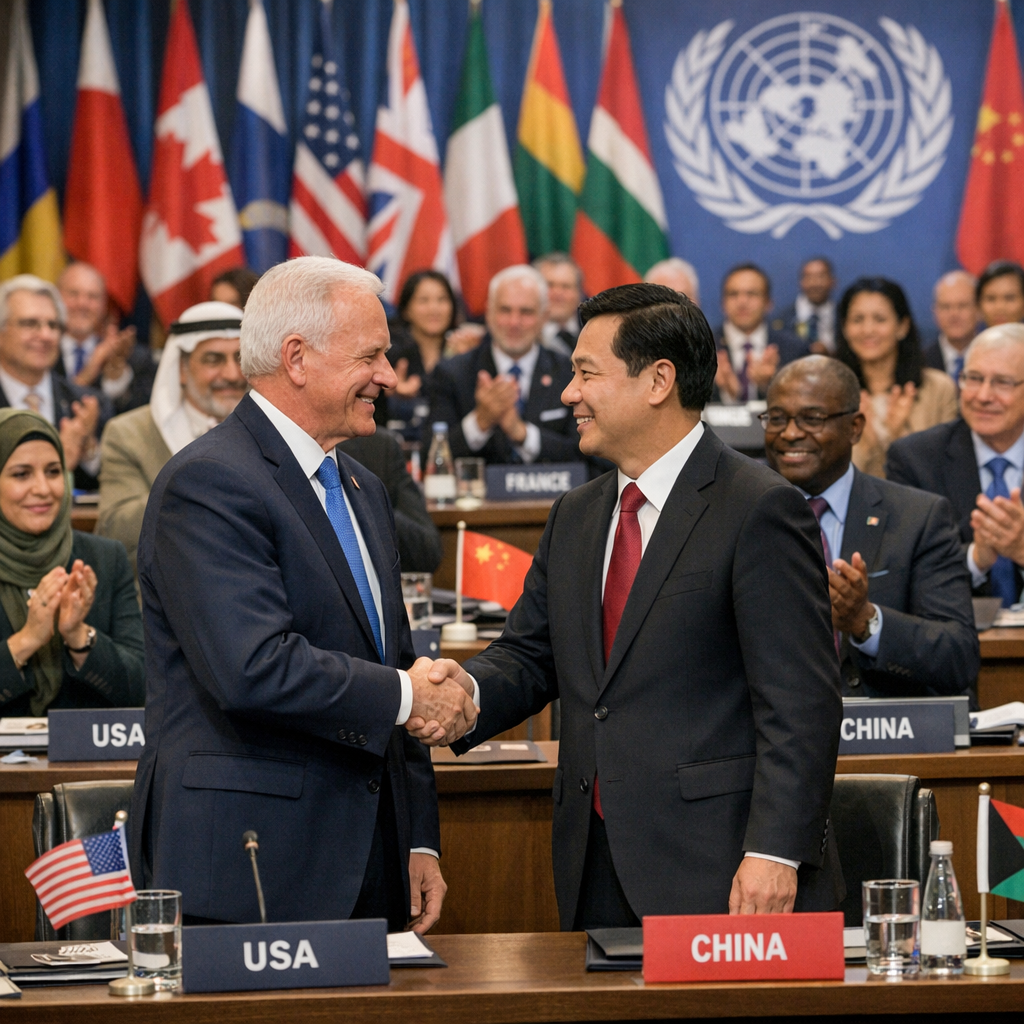
At the same time, China’s diplomatic trajectory continues to embrace a more confrontational and expansive posture—criticizing U.S. actions in hotspots like the Middle East and using forums like BRICS to promote a reconfigured global order. Such diplomacy signals an ongoing competition for influence in international institutions.
Later this month, the United Nations General Assembly High-Level Week will convene leaders to address growing challenges: peace, equality, climate, and sustainable development. Its outcome will help define whether international cooperation adapts—or continues to lag behind the pace of today’s interconnected crises.
What This Means for Communities Here in Washington
From Bellevue to Seattle, global developments matter. Cities with strong trade ties, tech exports, and climate vulnerability are especially sensitive to shifts in global policy or market turmoil. Rising energy prices can feed into utility costs. Trade disputes can ripple through supply chains in our state. Geopolitical instability can affect immigrant communities, international students, and ongoing efforts to ensure safe global travel.
As the world contends with these pressures, staying informed—and holding leaders accountable—matters. Global cooperation matters not only for nations, but for everyday communities far from the capitals making decisions.