

By Mason Jones
Widening Economic Unease Amid Sluggish Growth
The U.S. economy shows mixed signals. Real Gross Domestic Product rose just 1.5% annualized in the second quarter of the year, down from earlier growth, while personal income ticked up modestly by about 0.4% in July. These modest gains have done little to ease the impact of persistently high inflation on household budgets. Core inflation—which leaves out volatile food and energy prices—remains elevated, contributing to continued concern over rising costs for essentials such as rent, groceries, and healthcare.
The labor market is stable, with unemployment holding near historical lows around 4.2%. But wage growth, adjusted for inflation, has lagged—meaning many workers feel squeezed. Meanwhile, international trade deficits have deepened, particularly in goods, and consumer sentiment has dipped noticeably in recent months. These economic stressors are increasingly influencing public perceptions as the nation gears up for its midterm elections.
First Amendment Tensions with Media Access
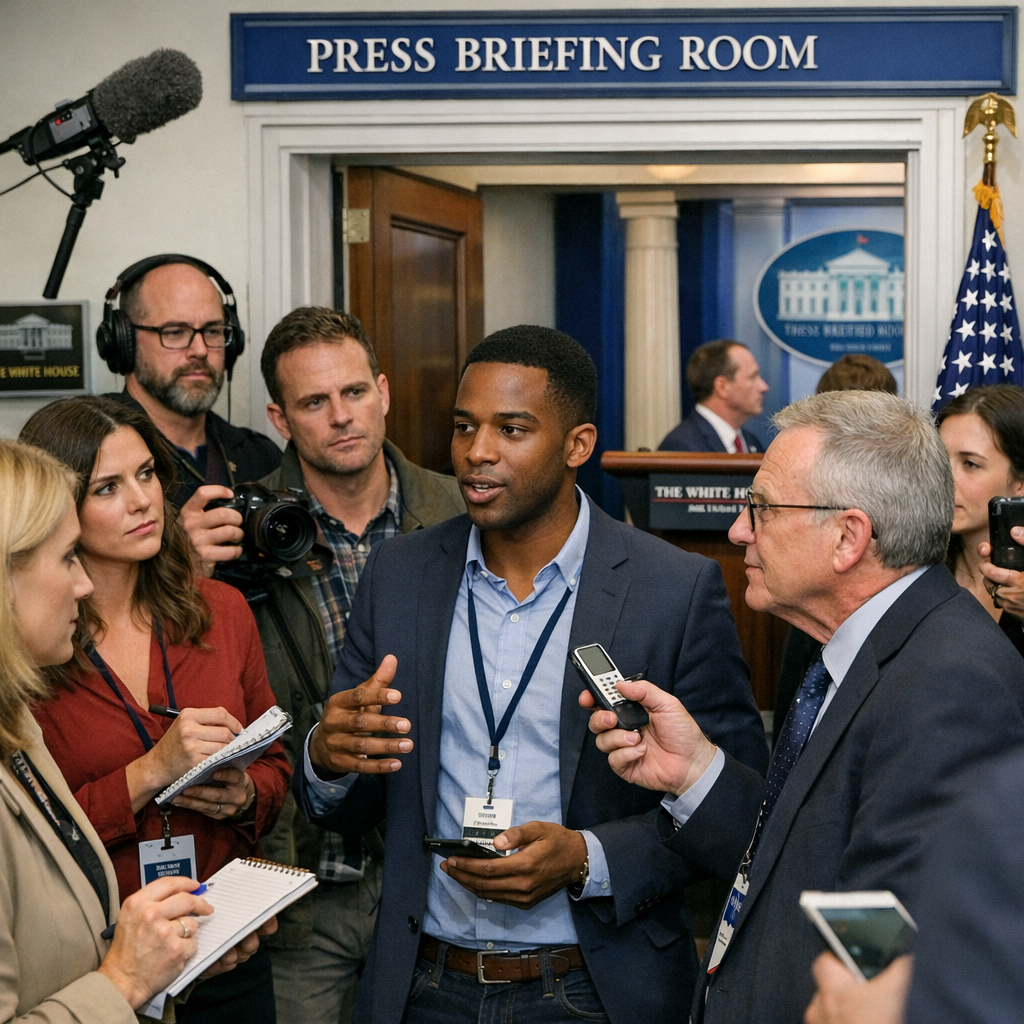
In another flashpoint, three major media organizations—CNN, MS NOW, and Politico—recently filed suit against the White House after being banned from access. The move came after the administration criticized their reporting as “fake news,” triggering a lawsuit that raises questions of press freedom and transparency. Supporters of the ban argue it’s a response to what they see as biased coverage, while critics point out the constitutional risks of restricting access based on content.
The dispute over media access has become another prism through which to view broader debates over government accountability, free speech, and the power of the press—especially as political polarization intensifies. Its outcome could redefine boundaries that many assumed were settled.
Midterms Loom: Political Landscape and Voter Momentum
With midterm elections on the horizon, both parties are sharpening their pitches. Vice President Kamala Harris has begun holding rallies in key states like Michigan, Nevada, and Georgia—regions where Democrats came up short in the last presidential cycle. Meanwhile, Republicans are pushing back aggressively on issues like immigration, federal spending, and the role of government in regulating industry.
Rising economic stress and discontent over media dynamics are hallmarks of voter concern this time around—factors that campaign strategists on both sides see as sources of leverage. The political stakes are amplified by narrow margins in Congress and the implications of who controls the agenda heading into the next presidential election cycle.
What to Watch Going Forward
- Federal Reserve policy on interest rates, especially in response to inflation and foreign energy shocks.
- Judicial rulings around free speech, media access, and how First Amendment rights are interpreted.
- Shifts in public opinion polls as economic pain and policy debates mount.
- Candidate strategies in swing states as they address economic pain points and civil liberties.
These issues—economic resilience, media freedom, political polarization—are shaping the national mood. In these times, how policymakers respond will matter not just in votes, but in the everyday lives of many.