

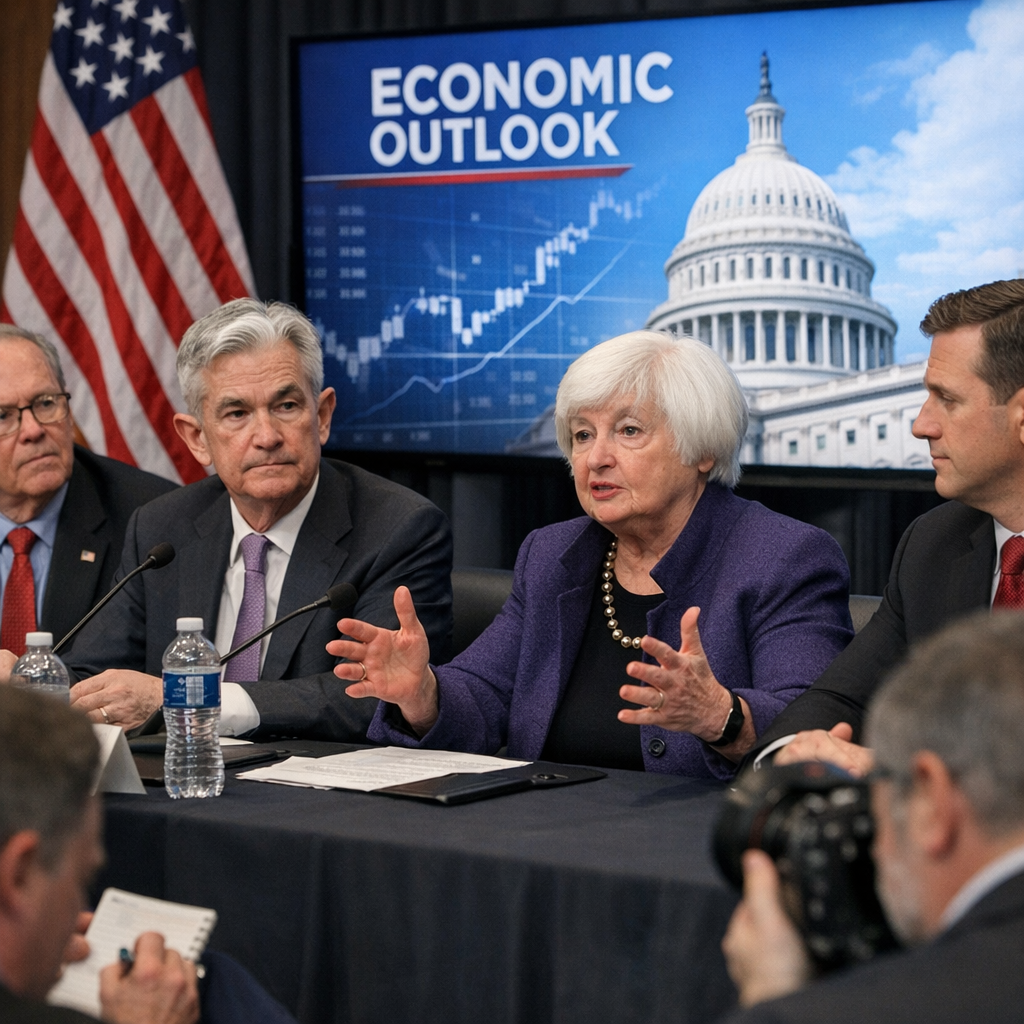
As the United States continues to navigate a complex political and economic landscape, several recent developments have garnered national attention.
Political Developments
In the realm of politics, the Trump administration has been actively addressing defense spending among NATO allies. Recent reports highlight progress in meeting defense spending pledges, reflecting ongoing efforts to strengthen international alliances. Additionally, the House of Representatives passed a bill aiming to make Daylight Saving Time permanent, a move that has sparked discussions on its potential impact on daily life and energy consumption.
Economic Indicators
On the economic front, inflation showed signs of slowing in June, attributed in part to stabilized energy markets. This development offers a measure of relief to consumers and policymakers alike, as inflationary pressures have been a significant concern in recent months. However, the housing market continues to face challenges, with home prices reaching all-time highs amid rising mortgage rates, leading to a slowdown in sales.
National Security and Trade
National security remains a focal point, with the U.S. reinstating a blockade in the Strait of Hormuz amid ongoing strikes, underscoring the administration’s commitment to addressing international conflicts. In trade policy, President Trump imposed a 25% tariff on Brazilian goods, a decision that has implications for international trade relations and domestic markets.
Looking Ahead
As these events unfold, it is crucial for citizens to stay informed and engaged. The interplay between political decisions and economic outcomes continues to shape the nation’s trajectory, emphasizing the importance of understanding and participating in the democratic process.