

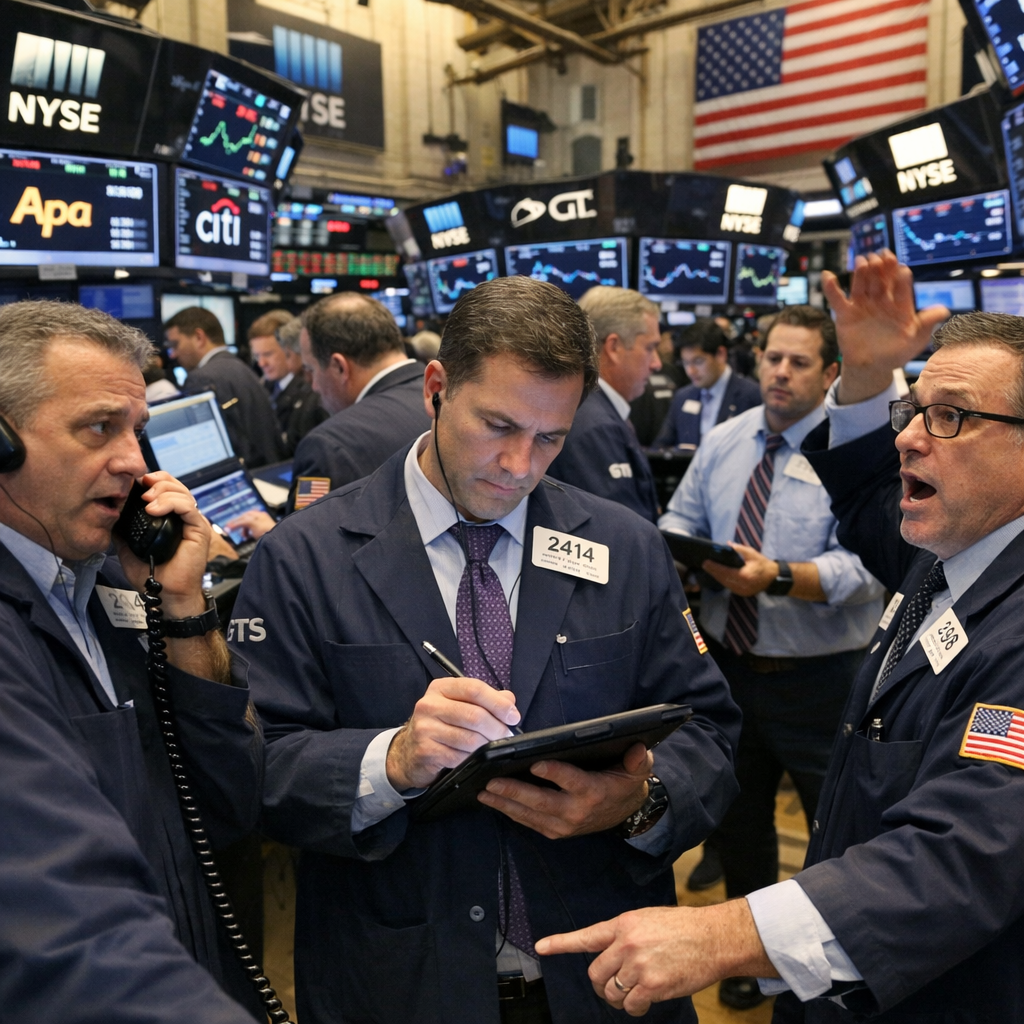
The U.S. economy is currently experiencing a complex interplay of factors influencing its trajectory. Key areas of focus include inflation rates, employment statistics, and the effects of recent tariff implementations.
Inflation and Consumer Prices
Inflation has been a significant concern, with rates rising to 4.2% amid ongoing geopolitical tensions. This increase has led to higher consumer prices, particularly in essential goods and services. President Donald Trump has addressed these concerns, stating efforts are underway to mitigate inflationary pressures.
Employment Trends
The labor market has shown resilience, adding jobs across various sectors. However, long-term unemployment remains a challenge, indicating that while new positions are being created, some individuals continue to face difficulties in securing employment. This trend underscores the need for targeted policies to support those affected.
Impact of Tariffs
Recent tariff implementations have had a mixed impact on the economy. While some industries have benefited from protective measures, others have faced increased costs and supply chain disruptions. The administration’s trade policies continue to be a topic of debate, with discussions focusing on balancing domestic industry support and global trade relations.
Understanding these economic indicators is crucial for both policymakers and citizens as they navigate the current financial landscape. Staying informed and adaptable will be key in addressing the challenges and opportunities that lie ahead.