

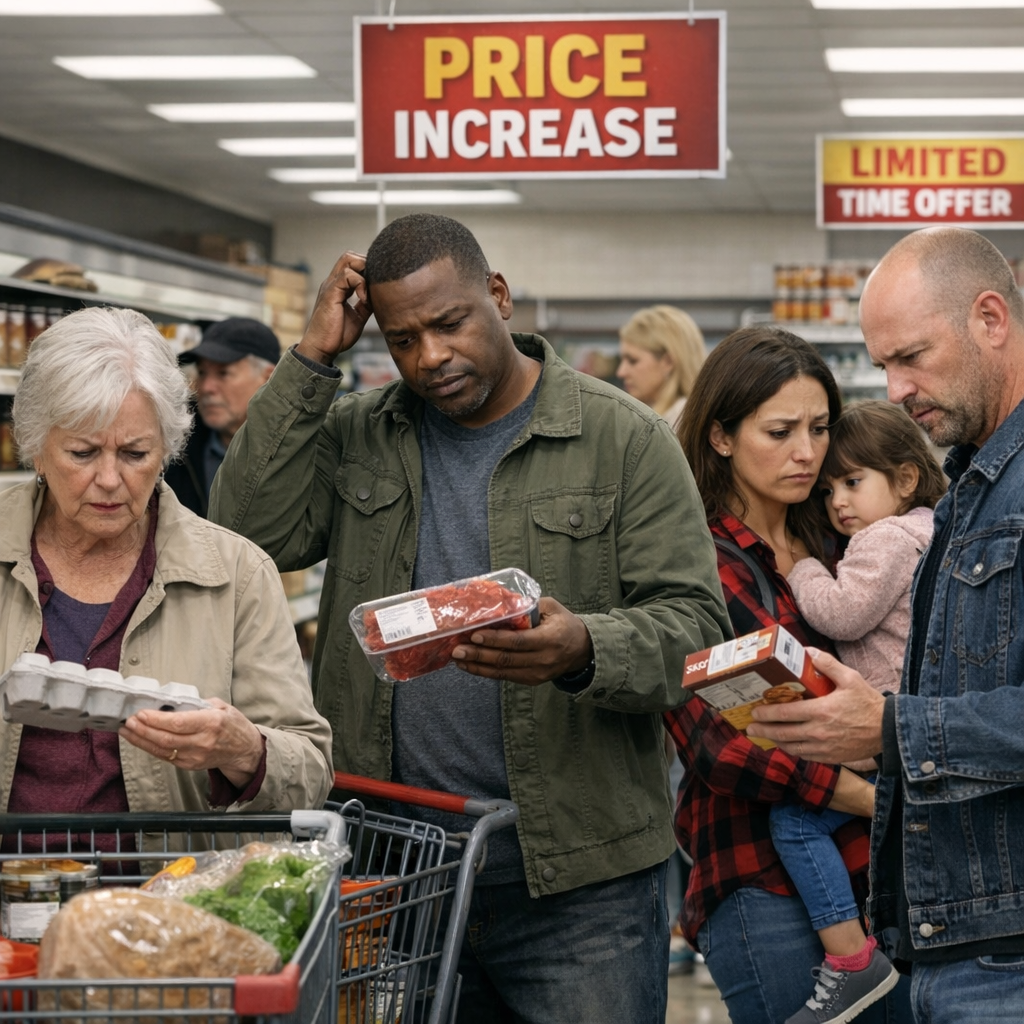
As we navigate the complexities of the current U.S. economic landscape, several key developments have emerged that warrant attention.
Inflation and Consumer Confidence
Recent data indicates a significant decline in consumer confidence regarding the economy. A Harris Poll conducted for The Guardian reveals that only 27% of Republicans believe the economy is moving in a positive direction, a sharp drop from 49% in February. Overall, 95% of Americans now perceive an affordability crisis, citing high gas and grocery prices as primary concerns. Confidence among independents and Democrats has also declined, with 63% and 71% respectively expressing concerns.
Housing Market Trends
The housing market has experienced notable shifts. In June, U.S. home prices reached a new all-time high, with a median sales price of $440,600. This increase comes despite a slowdown in sales activity, indicating a complex interplay between supply, demand, and affordability challenges.
Employment and Labor Market
The labor market presents a mixed picture. While jobless claims have slightly decreased, reflecting a still-solid labor market, job creation has slowed notably. June’s job growth was only 57,000, half the expected number. Employment concerns are mounting, particularly in rural areas, where 41% report declining job opportunities.
Federal Reserve and Interest Rates
Federal Reserve officials remain divided over future interest rate moves. Some predict increases, while others see potential for reductions, amid uncertainty over inflation trends linked to ongoing geopolitical conflicts. This division underscores the challenges in balancing economic growth with inflation control.
Global Economic Outlook
The International Monetary Fund (IMF) has downgraded its global economic growth forecast for 2026 to 3%, citing disruptions from ongoing geopolitical conflicts. However, growth in the U.S. is projected to hold steady at 2.3%, suggesting a relative resilience in the domestic economy.
Understanding these developments is crucial for making informed decisions in both personal and professional spheres. Staying informed and adaptable will be key as the economic landscape continues to evolve.